The Haibike, Lapierre, and Raleigh group enters bankruptcy; what will happen to the brands?
The crisis that has been dragging the bicycle industry since the end of the pandemic boom has just claimed one of its most important victims. Accell Group, owner of brands such as Haibike, Lapierre, Ghost, Winora, Raleigh, Batavus, Sparta, Koga, Babboe, or Carqon, has initiated a bankruptcy suspension procedure in the Netherlands after failing to find a solution that would ensure the group's continuity.
Accell Group enters bankruptcy suspension: the future of Haibike, Lapierre, Ghost, or Raleigh is uncertain
The news comes just a few weeks after the sale of the company to the DuTech Group, based in Singapore, seemed practically finalized, an operation that had even received approval from the competition authorities in Germany, Austria, and Poland. However, for reasons that have not yet been publicly explained, the acquisition never reached completion.
All options to save the group are exhausted
The decision was communicated internally by Accell's CEO, Jonas Nilsson, in a message addressed to all employees. In it, he acknowledges that, after analyzing all possible alternatives with the board of directors, there was no other option but to request bankruptcy suspension.
Nilsson described the situation as "deeply sad and frustrating," especially after the numerous attempts made over the past years to stabilize the company through restructuring, capital contributions, and support from shareholders and financial entities.
RECOMENDADO
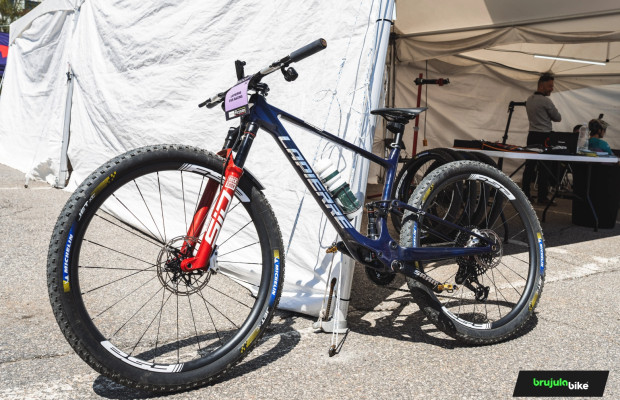
Lapierre presents a completely new XR with competition DNA and five setups starting from €3,799
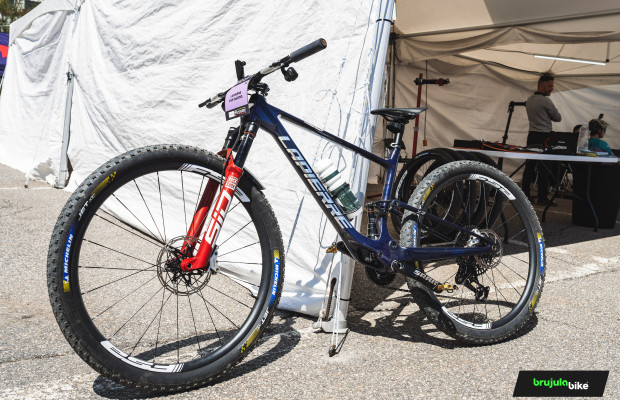
Lapierre debuts new team and bike at the 2026 World Cup
Sign up first, train later: why entering a race can change the way you train
Cycling improves how we think, remember and process information: a new study confirms it
From struggling to enjoying it: tips to build confidence on descents
Are you properly positioned on your bike? These are the measurements you should check
The executive also assured that the immediate priority will be to collaborate with the administrators appointed by the court to try to preserve the viable activities of the group and maintain as many jobs as possible.
From the big winner of the pandemic to an unprecedented crisis
The fall of Accell reflects the complicated moment that much of the cycling industry is going through. In the years following COVID-19, the strong demand for bicycles, especially electric ones, turned the group into one of the major beneficiaries of the market.
This scenario led the KKR fund to buy Accell in 2022 for about €1.8 billion, convinced that the sector's growth would continue for many years. However, the reality was very different.
When demand returned to normal levels, manufacturers and distributors found themselves with huge stock surpluses. Strong discount campaigns, falling margins, and the need to depreciate inventories hit the accounts of practically the entire industry hard.
The "One Accell" strategy was not enough
To try to regain profitability, Accell launched the One Accell program, a deep reorganization that centralized departments, reduced staff, and concentrated operations within the group.
It was not enough. During 2025 and early 2026, the company had to face several debt restructurings. In February of this year, the creditors themselves took control of the company after replacing KKR as owners.
The sale to DuTech then seemed like the last great opportunity to ensure the group's continuity, but the failure of that operation has ultimately precipitated the current bankruptcy situation.
What will happen now with Haibike, Lapierre, or Ghost?
The bankruptcy suspension in the Netherlands does not automatically mean the disappearance of Accell Group or its brands. This procedure seeks to provide a margin to reorganize the company while a judicial administrator studies the different alternatives.
Among them could be the entry of new investors, the sale of certain divisions, or even the continuation of some brands independently.
For now, many uncertainties remain about the future of manufacturers as relevant as Haibike, one of the major drivers of modern e-MTB, as well as Lapierre, Ghost, Winora, or Raleigh, all integrated into one of the largest cycling groups in the world. We will have to wait for the coming weeks to see if any of these brands find a way to ensure their continuity.
También puede interesarte
Mountain bike
Lapierre presents a completely new XR with competition DNA and five setups starting from €3,799
Mountain bike
Lapierre debuts new team and bike at the 2026 World Cup
Training
Sign up first, train later: why entering a race can change the way you train
Training
Cycling improves how we think, remember and process information: a new study confirms it
Road
From struggling to enjoying it: tips to build confidence on descents
Road
