Would the UCI have expelled Evenepoel for 20 grams? The founder of Specialized criticizes the disqualification of Lorena Wiebes
The disqualification of Lorena Wiebes from the Giro d'Italia Women for a bicycle 20 grams below the minimum allowed weight continues to generate reactions in the cycling world. The latest voice to join the debate has been that of Mike Sinyard, founder of Specialized, the brand that supplies bicycles to Team SD Worx-Protime.
Sinyard speaks out on the Wiebes case and reopens the debate on the 6.8 kg limit
Sinyard commented on the case during a conversation featured in Lennard Zinn's newsletter, one of the most recognized technical publications in American cycling. There, he openly criticized both the sanction imposed on Wiebes and the very existence of a rule he considers outdated.
“Lorena's disqualification is very arbitrary. Can you imagine if this had happened to Mark Cavendish, Remco Evenepoel, Peter Sagan, or any of the big male stars? There is no way they would have been expelled from the entire race,” Sinyard stated.
The Dutch champion had convincingly won the first stage of the Giro d'Italia Women and had donned the pink jersey before UCI officials detected that her bicycle weighed 6.78 kg, 20 grams below the regulatory limit of 6.8 kg. The sanction was immediate: loss of victory, loss of leadership, and exclusion from the race.
RECOMENDADO
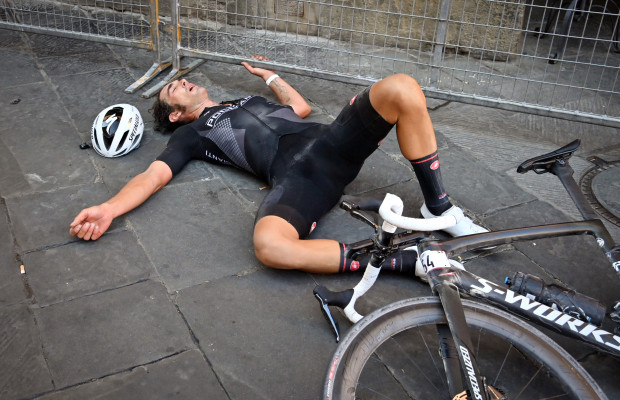
When to skip training and rest without feeling guilty
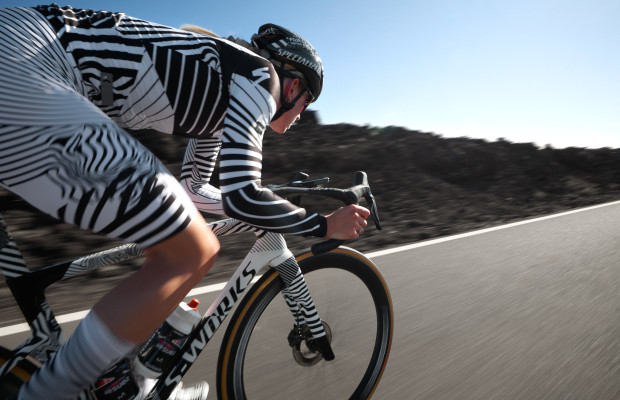
Free aero gains for your bike: small changes that make you faster
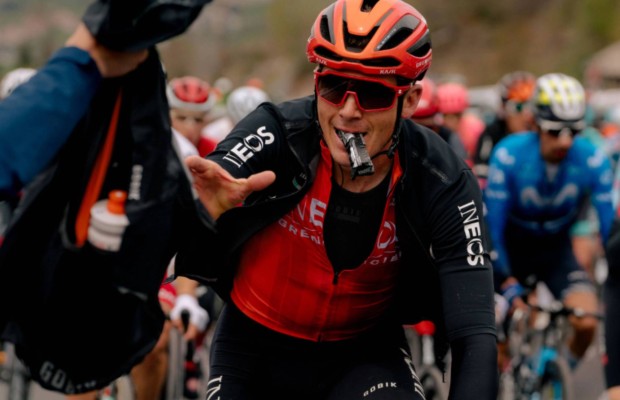
More power, less fatigue: how nitrates could help you on the bike
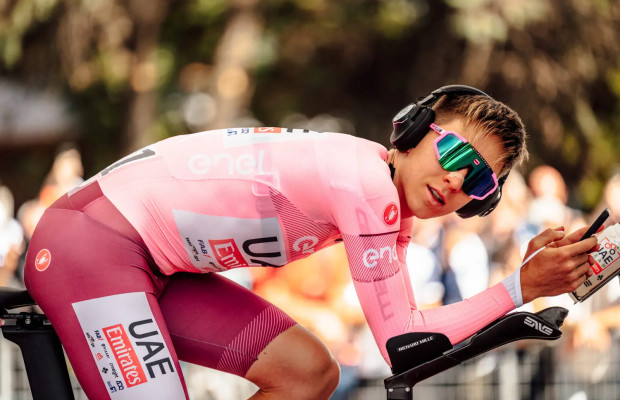
An indoor trainer can do more for your training than you think: here are 7 reasons to own one
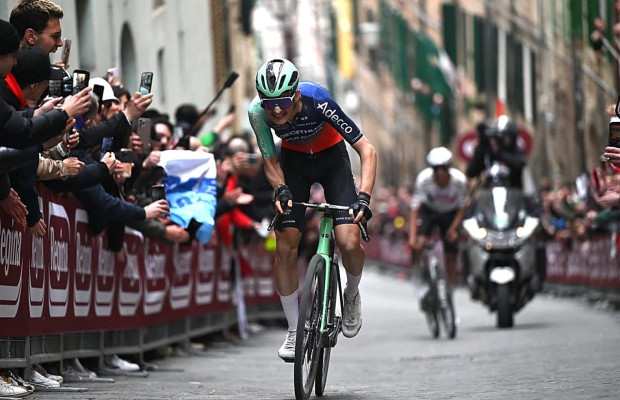
Goodbye to watts per kilogram as the sole benchmark—fatigue decides who’s the best
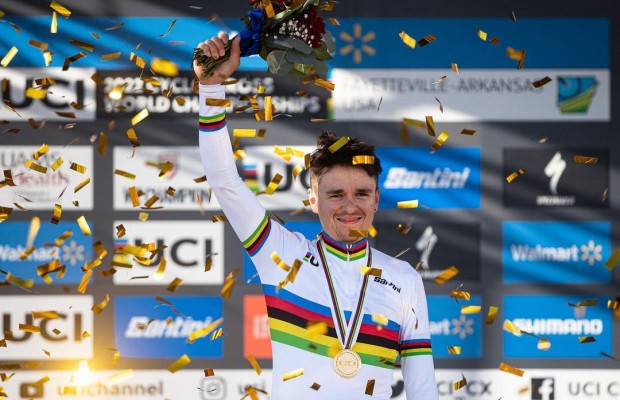
What do the colours of the rainbow jersey mean, and who was the first World Champion?
Sinyard's statements come just a few days after SD Worx-Protime publicly questioned the weighing procedure used by the officials. The team claimed that there was a difference of more than 50 grams between two consecutive measurements and stated that they later obtained a weight exceeding 6.83 kg using their own measuring equipment.
Specialized has not issued any official statement as a company, although it did post an image on its social media congratulating Lorena on her victory "20 grams did not win that sprint. Lorena did. We are proud to support Lorena Wiebes and SD Worx-Protime. The victory we saw is still something that cannot be measured. We stand with Lorena." This, combined with the words of its founder, makes clear their position regarding a sanction they consider disproportionate.
In fact, Sinyard agrees with one of the main arguments put forward by the Dutch team: the alleged non-compliance had no sporting influence on the outcome of the stage. Wiebes won the sprint in Ravenna with several bike lengths ahead of Elisa Balsamo, a difference that cannot be explained by a mere 20 grams reduction in the weight of the bicycle.
A debate that goes beyond the Wiebes case
Sinyard's statements also fuel a discussion that has been ongoing within the industry for years. The minimum limit of 6.8 kg was introduced by the UCI in 2000, at a time when ultra-light carbon frames raised doubts about their strength and safety.
However, manufacturing technology has evolved enormously since then. Manufacturers now have advanced simulation processes, specific approvals, laboratory testing, and certifications that ensure the structural safety of bicycles regardless of their weight.
Precisely for this reason, more and more voices believe that the rule needs a thorough review. Paradoxically, most current WorldTour bicycles easily exceed seven kilograms due to the incorporation of disc brakes, more complex aerodynamic profiles, and fully integrated cabling.
The Wiebes case has brought the issue back to the table and opened a debate that transcends the sanction itself: whether a homologated bicycle, used throughout the season and just 20 grams below the limit, truly deserves one of the harshest penalties outlined in the regulations.
While SD Worx considers possible legal actions against the UCI, pressure on the international body continues to mount. And now it also has the public backing of one of the most influential figures in the modern cycling industry.
También puede interesarte
Training
When to skip training and rest without feeling guilty
Road
Free aero gains for your bike: small changes that make you faster
Nutrition
More power, less fatigue: how nitrates could help you on the bike
Training
An indoor trainer can do more for your training than you think: here are 7 reasons to own one
Road
Goodbye to watts per kilogram as the sole benchmark—fatigue decides who’s the best
Road
