UCI statement on the night controls of the Tour: "They are exceptional, but necessary"
The International Cycling Union (UCI) has responded to the growing controversy generated by the early morning doping controls conducted during the 2026 Tour de France. After several days of criticism from riders, teams, and the Professional Cyclists' Association (CPA), the organization has issued an official statement in which it fully supports the actions of the International Testing Agency (ITA) and defends that these extraordinary inspections will continue to be a tool available when there are reasons to justify them.
The UCI responds to the controversy of nighttime controls: “The fight against doping is an absolute priority”
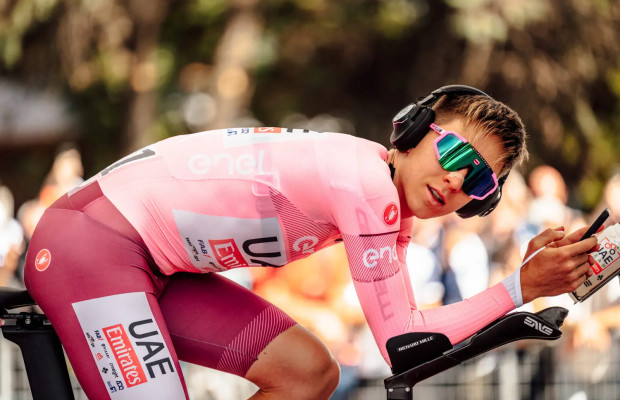
The statement comes after the controls conducted on Tadej Pogacar and Jonas Vingegaard triggered an intense debate within the peloton. Both were awakened in the early morning to undergo a doping test, an exceptional measure that, in France, also requires prior authorization from a judge when conducted outside the established ordinary hours for such inspections.
The UCI acknowledges the impact but defends its necessity
The UCI explicitly admits for the first time that this type of control affects the rest and recovery of the riders, although it insists that the goal of protecting the integrity of the sport is above these inconveniences.
“The UCI acknowledges that nighttime controls can disrupt the rest and recovery of riders and wishes to reiterate that they remain an exceptional measure, reserved for limited and justified circumstances.”
RECOMENDADO
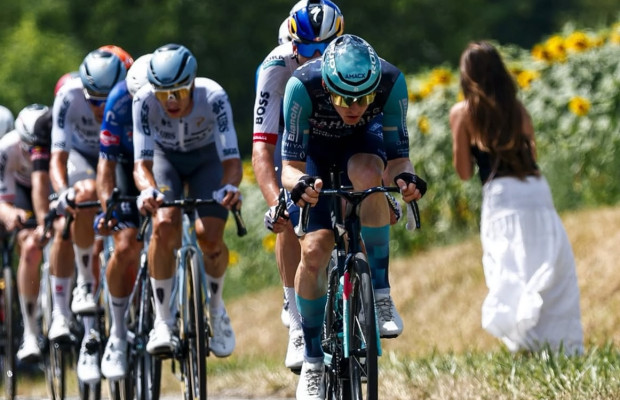
"We know of a Frenchman who has not been tested in the early morning": the controversy over the anti-doping campaign in the Tour is growing
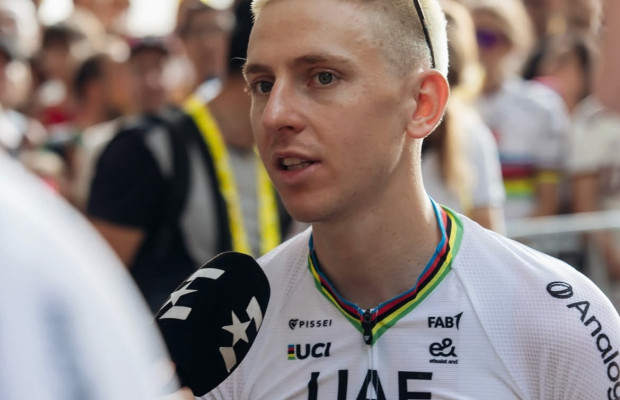
"They have changed my life since January": Pogacar undergoes another test and explains how he is experiencing the anti-doping operation
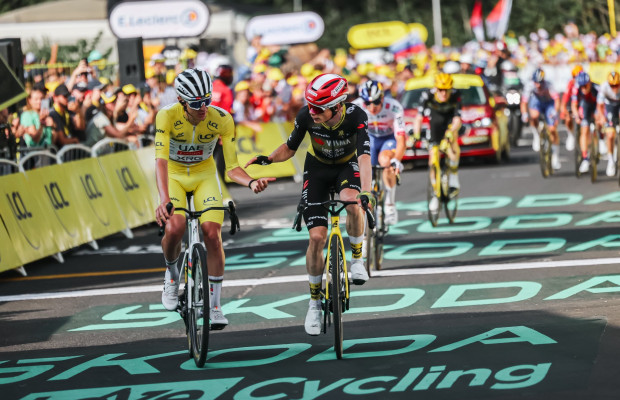
A judge authorized nighttime doping controls for Pogacar and Vingegaard: they are only allowed in the presence of "well-founded suspicions"
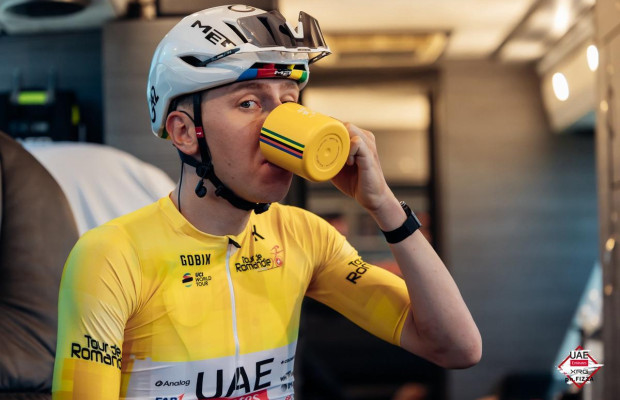
Doping controls wake Pogacar and Vingegaard in the early morning
An indoor trainer can do more for your training than you think: here are 7 reasons to own one
Goodbye to watts per kilogram as the sole benchmark—fatigue decides who’s the best
Despite this, the organization believes that the benefit for the fight against doping justifies maintaining this possibility.
“Although we are fully aware of the burden it places on the riders, these controls respond to a higher interest: the fight against doping.”

Response to the peloton's criticisms
The statement comes just a few days after CPA president Adam Hansen expressed his concern about the effect that this type of inspection can have on the health and recovery of cyclists during a grand tour.
It also coincides with statements from Matej Mohoric, who described the operation as a way to publicly demonstrate that cycling is fighting doping and questioned whether all the favorites were being treated the same way, pointing out that Paul Seixas may not have undergone a similar nighttime control.
Without directly responding to these criticisms, the UCI insists that the entire anti-doping program is carried out under criteria of independence and strictly following current regulations.
Full support for the ITA
The UCI reminds that since 2021 it has delegated all management of its anti-doping program to the International Testing Agency (ITA) precisely to ensure the independence of investigations and the planning of controls.
In this regard, the organization shows absolute support for the agency.
“The UCI fully supports the ITA using all available means to fulfill its mission in the most effective way possible, respecting the World Anti-Doping Code, UCI regulations, and the legislation in force in each country.”
In the specific case of France, these extraordinary controls can only be carried out with judicial authorization when the requirements set out in French legislation are met.
More than 10 million euros a year to combat doping
One of the most striking figures in the statement is the amount allocated to the anti-doping program.
The UCI claims that each year it invests more than 10 million euros in the collection, analysis, and re-analysis of samples, as well as in developing intelligence work in competitions under its regulations, including the Tour de France.
According to the organization, this financial effort has a dual objective: to protect the riders who compete cleanly and to continue expanding the tools to detect those who resort to doping.
A debate that remains open
The publication of this statement is unlikely to put an end to the discussion currently taking place in the peloton.
While some riders believe that nighttime controls penalize recovery and question whether their impact outweighs the real benefits, other voices, such as that of EF Education-EasyPost director Jonathan Vaughters, argue that this type of inspection is one of the most effective ways to detect microdoses of substances like EPO or growth hormone and, moreover, helps to reinforce the credibility of a sport that still grapples with doubts inherited from its past.
También puede interesarte
Road
"We know of a Frenchman who has not been tested in the early morning": the controversy over the anti-doping campaign in the Tour is growing
Road
"They have changed my life since January": Pogacar undergoes another test and explains how he is experiencing the anti-doping operation
Road
A judge authorized nighttime doping controls for Pogacar and Vingegaard: they are only allowed in the presence of "well-founded suspicions"
Road
Doping controls wake Pogacar and Vingegaard in the early morning
Training
An indoor trainer can do more for your training than you think: here are 7 reasons to own one
Road
