Trek voluntarily limits the speed of its eBikes in the U.S. and asks other brands to do the same
Trek has taken a step that could shape the future of the eMTB market in the United States. The brand has announced that it will voluntarily limit all its electric mountain bike models sold in the country, a measure aimed at protecting access to trails, improving safety, and curbing the rise in power and speed that the sector is experiencing.
Trek makes an unprecedented decision: it will voluntarily limit the speed of its eMTB in the U.S. and asks other brands to do the same
The decision comes at a time when more and more electric mountain bikes are capable of increasing their power and providing assistance up to 45 km/h (in the U.S.) after modifying their configuration, a trend partly driven by the arrival of increasingly powerful motors like the DJI Avinox or by models that easily allow changing their electronic limits.
All Trek eMTB will be limited
From now on, all electric mountain bikes that Trek markets in the United States will meet two requirements:
- Pedal assistance limited to 20 mph (32 km/h)
- No throttle
The brand will, however, maintain its range of urban and road electric bikes with Class 3 models, which can provide assistance up to 45 km/h, although the throttle, when present, will still be limited to 20 32 km/h.
RECOMENDADO
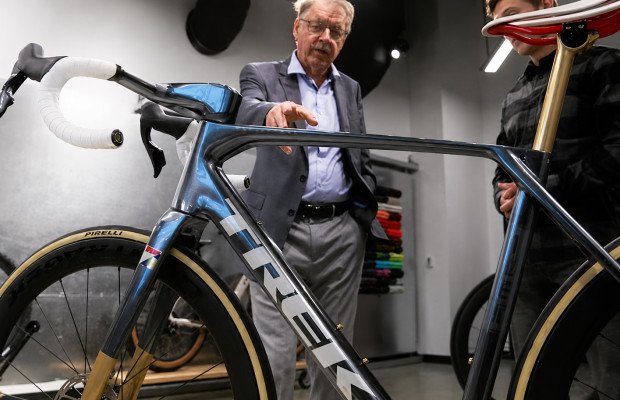
New Madone? Trek accidentally shows a road bike that does not exist in its catalog
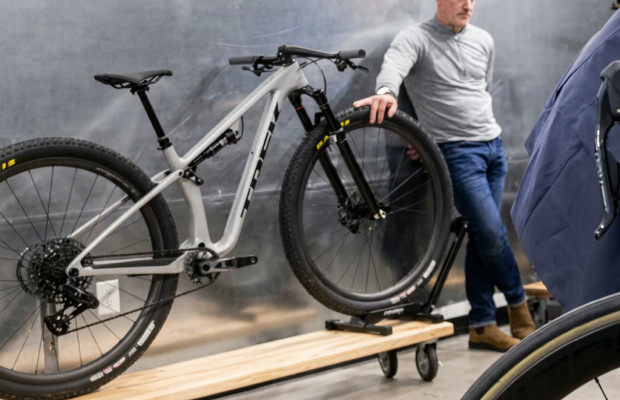
Trek leaks—by mistake?—its new 32" XC bike

More power, less fatigue: how nitrates could help you on the bike

An indoor trainer can do more for your training than you think: here are 7 reasons to own one
Goodbye to watts per kilogram as the sole benchmark—fatigue decides who’s the best
The Megamo West 2027 gets a new range from €2,399 and remains a great choice
The measure is completely voluntary and goes beyond what is currently required by legislation in many U.S. states.
Trek fears that increased power will lead to trail closures
Trek's president, John Burke, explains that the priority is to prevent the growth of eMTB performance from causing restrictions for all users.
“As an industry, we have worked for decades to gain access to trails and bike lanes. We prefer to act responsibly today rather than having to explain tomorrow why cyclists lost access to the places they love and to a sport that makes the world a better place”.
The company reminds that during 2025, more than 27,000 kilometers of MTB trails were opened to the use of electric bikes in the United States, an advancement achieved after years of work by associations, administrations, and volunteers.
According to Trek, if bikes continue to increase their speed and power, conflicts with other trail users will grow, and new restrictions could arise that would affect both eMTB and conventional bicycles.
The brand asks other manufacturers to adopt the same commitment
Far from limiting itself to applying the measure to its own products, Trek has invited other manufacturers, distributors, and organizations in the sector to adopt similar standards voluntarily.
The company believes that bikes with throttles above 32 km/h or with pedal assistance exceeding 45 km/h should no longer be considered electric bicycles and should move to a different regulatory category, closer to that of electric mopeds.
For Burke, setting limits before new laws arrive is the best way to preserve the growth of electric cycling.
“Trek's mission is to get more people riding bikes. E-bikes are a fantastic tool to achieve that, but that will only be possible if we continue to have access to places to ride. These limits aim to protect that future for all cyclists”.
A debate that is also present in Europe
Although the announcement exclusively affects the U.S. market, the debate is not foreign to Europe.
In the European Union and the United Kingdom, pedal-assisted electric bicycles are already limited to 25 km/h and can only provide assistance when the cyclist is pedaling. Models that exceed these limits are considered electric mopeds and require registration, insurance, a license, and an approved helmet.
Additionally, the European Union is currently working on a review of the regulations regarding electric bicycles that must be defined before 2027, while various countries have intensified controls against modified or illegal bicycles.
With this move, Trek becomes the first major manufacturer to voluntarily adopt a self-regulation policy of this kind and opens a debate that will likely shape the evolution of eMTB in the coming years.
También puede interesarte
Road
New Madone? Trek accidentally shows a road bike that does not exist in its catalog
Mountain bike
Trek leaks—by mistake?—its new 32" XC bike
Nutrition
More power, less fatigue: how nitrates could help you on the bike
Training
An indoor trainer can do more for your training than you think: here are 7 reasons to own one
Road
Goodbye to watts per kilogram as the sole benchmark—fatigue decides who’s the best
Gravel
