The medical chief of the ICU warns fans about the risk of imitating professionals
Xabier Bigard, head of the medical staff of the UCI, has warned about the danger posed by the trend of many amateur cyclists who begin to imitate the nutrition guidelines of professional cyclists based on inaccurate information and assumptions they obtain from social media.

Social Media and Imitation Endanger the Health of Amateur Cyclists
Once again, social media is in the spotlight, and once more for the imitation effect it generates. In this case, it concerns the increasing number of amateur cyclists who try to emulate what professional cyclists do in terms of nutrition in search of improving their performance.
This imitation, however, is not based on a personalized nutrition program tailored to the specific needs of each cyclist, but rather follows general guidelines that are published on social media and could jeopardize not only the cyclist's performance but also their health.
RECOMENDADO
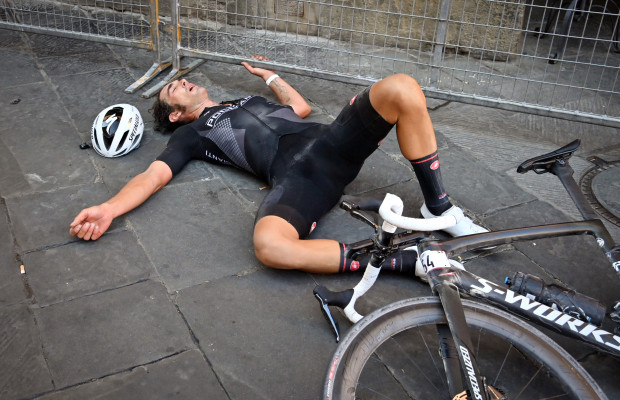
When to skip training and rest without feeling guilty
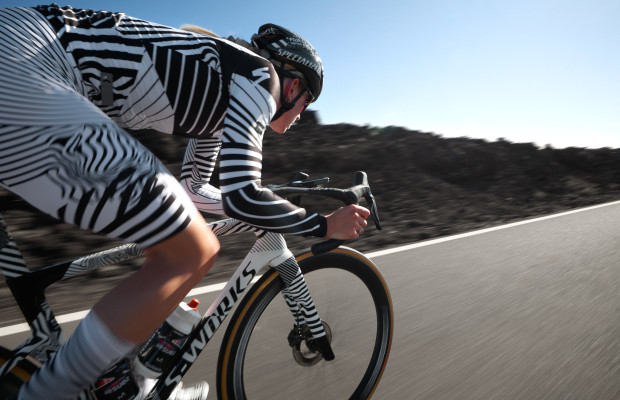
Free aero gains for your bike: small changes that make you faster
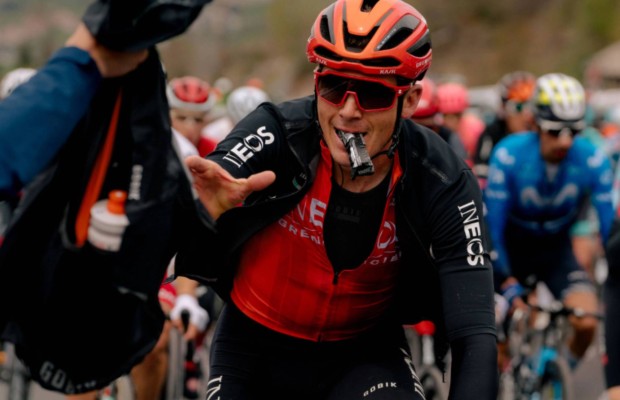
More power, less fatigue: how nitrates could help you on the bike
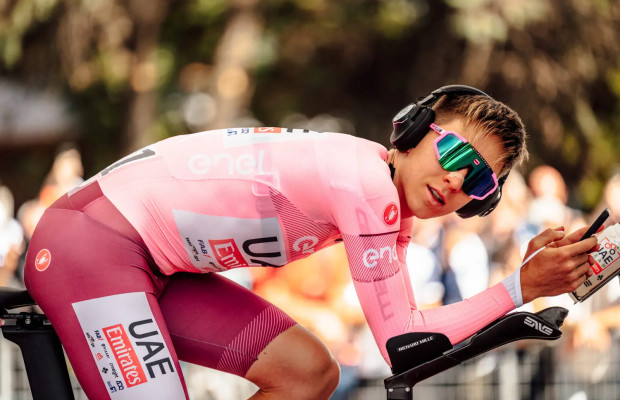
An indoor trainer can do more for your training than you think: here are 7 reasons to own one
Goodbye to watts per kilogram as the sole benchmark—fatigue decides who’s the best
What do the colours of the rainbow jersey mean, and who was the first World Champion?

The head of the UCI medical services was emphatic about this: “I am reading absolutely terrifying things that have no real basis,” an aspect that is fueled, pun intended, by the misinformation circulating on social media and the lack of qualified professionals when it comes to outlining a sports nutrition plan aimed at performance.
However, he does not criticize the main trend of current sports nutrition, focused on maximizing carbohydrate intake, exceeding 140 g/hour, figures that just a few years ago were considered unthinkable. “Glucose is the essential fuel for muscles, especially at high levels,” he explained.
También puede interesarte
Training
When to skip training and rest without feeling guilty
Road
Free aero gains for your bike: small changes that make you faster
Nutrition
More power, less fatigue: how nitrates could help you on the bike
Training
An indoor trainer can do more for your training than you think: here are 7 reasons to own one
Road
Goodbye to watts per kilogram as the sole benchmark—fatigue decides who’s the best
Road
