The extreme weather will become increasingly common in races. What does the UCI protocol say?
That climate change is a fact can be seen in cycling, where each year it is more common to find races that have their development altered due to heavy rains, snow, wind, or even heat. Since 2015, the UCI has had a protocol that specifies how to act when these situations occur.

The UCI's Extreme Weather Protocol is increasingly present due to climate change
Just a few days ago, the Vuelta a Murcia, which was returning to its stage format after years of being held as a one-day race, found that it could not hold the second of its two stages due to the strong winds that battered the Mediterranean facade of Spanish territory during those days.
A situation that is becoming more and more common in cycling events and that, in many cases, seriously affects the safety and physical integrity of the riders. To know how to act when these situations arise, in 2015 the UCI established the extreme weather protocol that outlines a course of action.
RECOMENDADO

The highest-paid cyclists in the world in 2026: Pogacar continues to lead the ranking.

SCOTT Spark RC 2026 Range: updated models, prices, and weights

When do helmets have to be changed? Do they have an expiration date?
What benefits does bicarbonate have for cyclists?
Is a cyclist born or made? The eternal debate between talent and training
Why do you prefer a certain type of training? What does that mean?
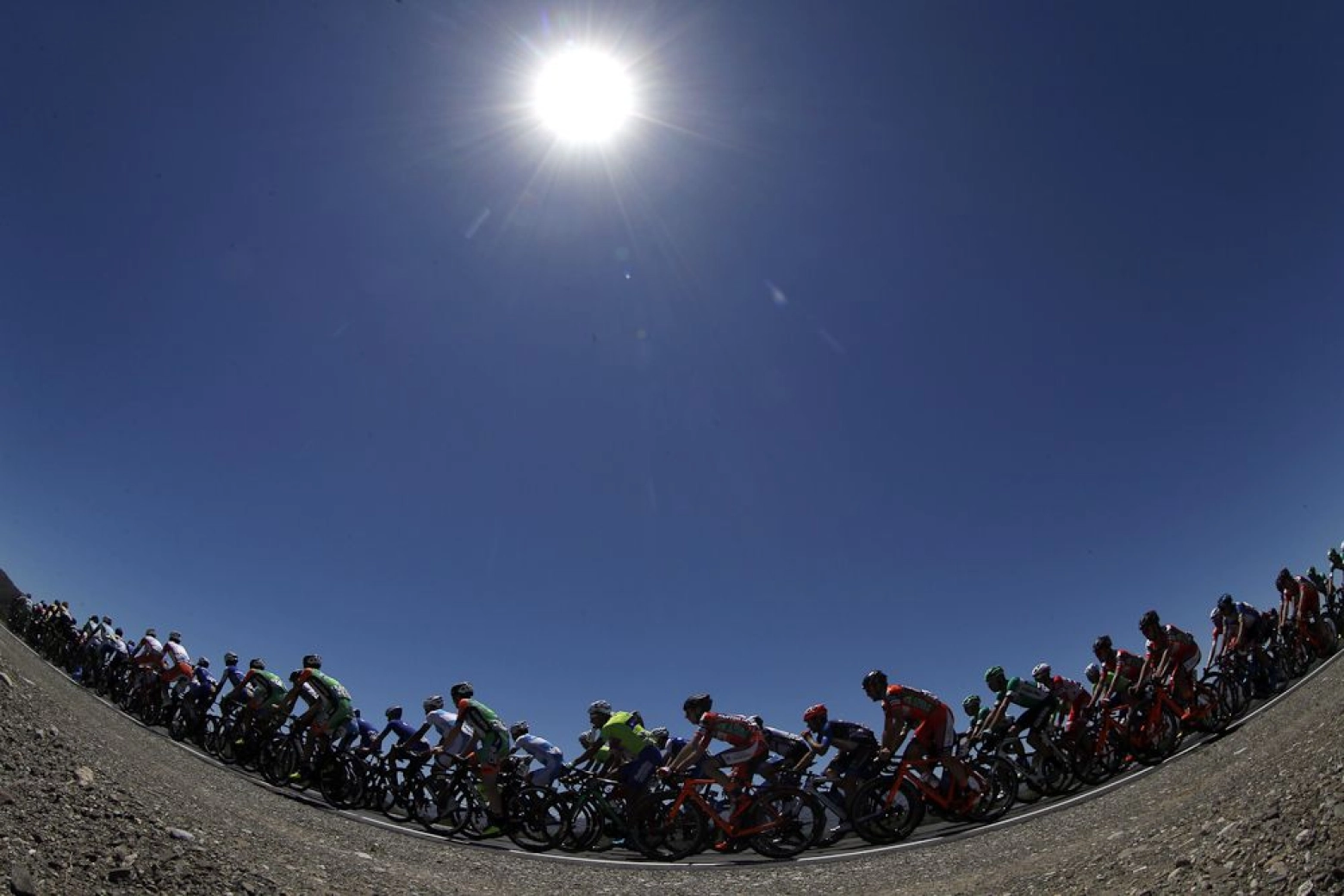
This protocol classifies extreme situations as the presence of freezing rain, snow on the road, strong winds, pollution, lack of visibility, and, following its update in 2024, high temperatures were included as a cause that can alter the development of the race.
When the protocol is activated, representatives from the organizer, the cyclists, the teams, and the UCI meet. Any of them can be the one to activate the protocol. A meeting in which a consensus must be reached so that it is the organizer and the race commissioner who officially announce the adopted solution. Actions that, as we have seen very often in recent times, range from the suspension of the race, shortening it, using an alternative route, or any other agreement that can be reached.
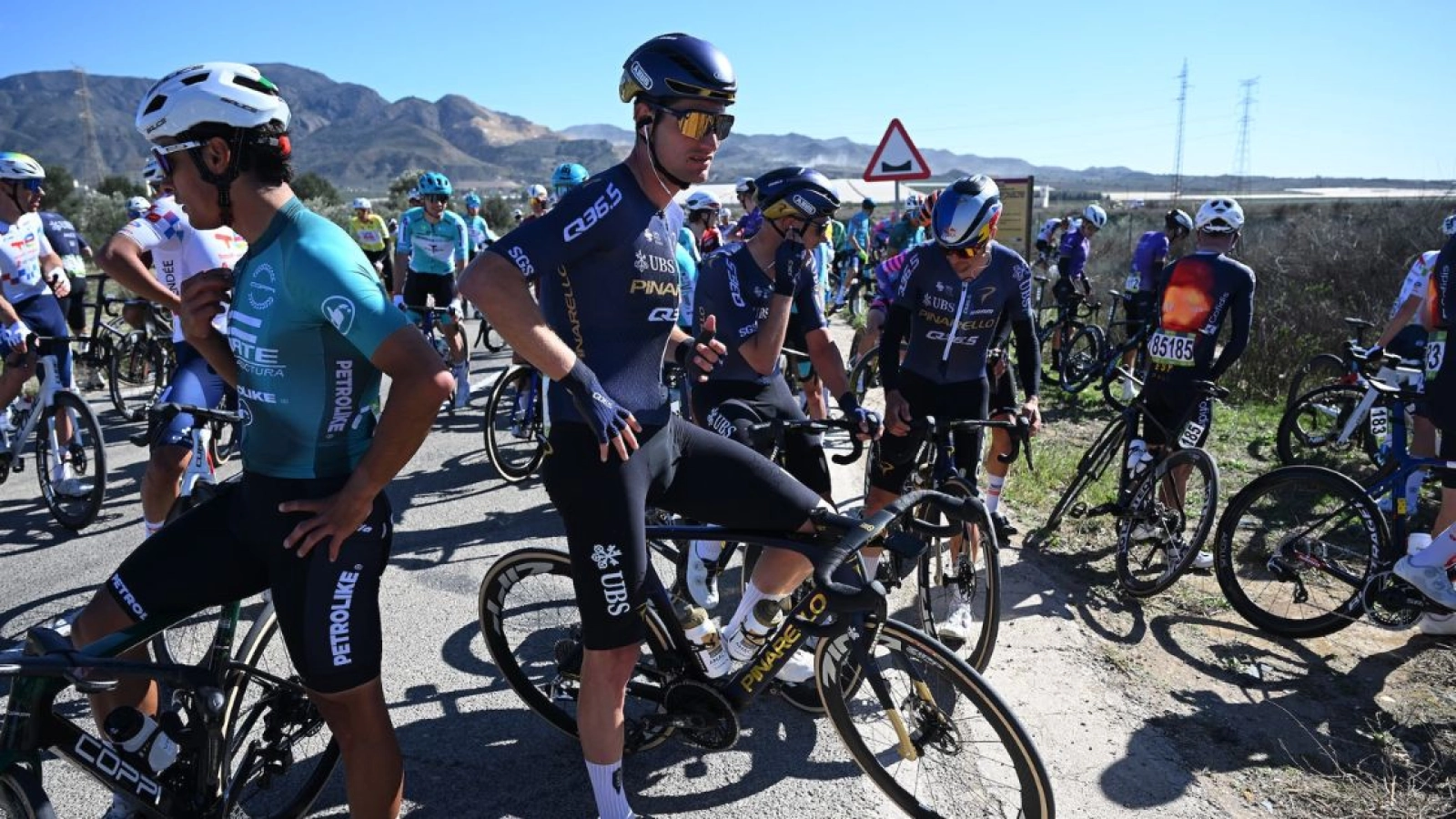
However, many times this protocol has been criticized for being too vague and, therefore, subject to the arbitrariness that cyclists have sometimes been accused of when we have seen a sector of the peloton opting to stop while another part wanted to compete.
To address this, in the case of high temperatures, different thresholds are established related to the so-called WBGT index, which specifies the effective temperature perceived by the cyclist and is defined taking into account parameters such as ambient temperature, wind speed, and humidity. For each of the thresholds, different recommendations are set. In the most extreme case, the orange level, defined between 23 and 27.9 °C WBGT, cyclists should be kept in the shade before the start or the number of neutral motorcycles providing drinks and ice bags should be increased. In the most extreme case, the red level, above 28 °C WBGT, there is a call to modify the start and finish times and it may involve changing the route or even cancellation.

To avoid arbitrariness, many are calling for a level of specificity equal for the rest of the weather conditions that can cause an alteration in the competition, for example, different wind speeds or at what intensities of rain or snow it is necessary to take measures.
También puede interesarte
Road
The highest-paid cyclists in the world in 2026: Pogacar continues to lead the ranking.
Mountain bike
SCOTT Spark RC 2026 Range: updated models, prices, and weights
Bike Equipment
When do helmets have to be changed? Do they have an expiration date?
Nutrition
What benefits does bicarbonate have for cyclists?
Training
Is a cyclist born or made? The eternal debate between talent and training
Training