Mechanical or electronic? Which road group is the best for you?
When it comes to choosing a road group, there are still advocates for mechanical changes versus the increasingly omnipresent electronic groups. However, what are the advantages and disadvantages of both types of transmissions, and what are the best options on the market?
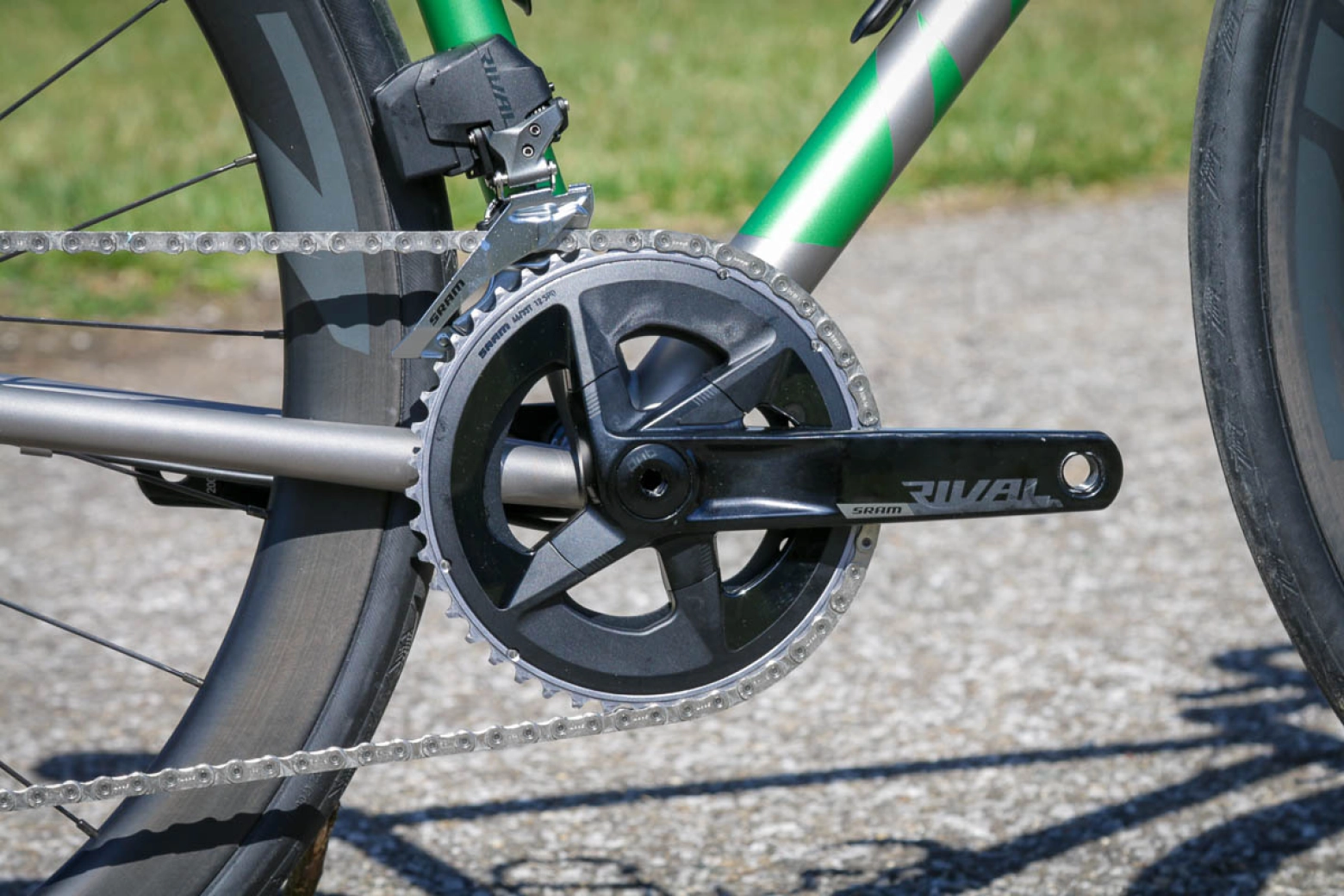
Advantages and Disadvantages of Electronic Groups vs. Mechanical Groups
It has been nearly 20 years since Shimano launched its first Dura-Ace Di2 back in 2009. At that time, its main competitor was Campagnolo, and SRAM was a small North American brand that had started with twist shifters for mountain bike gear changes and was beginning to make a name for itself in road cycling.
Now, in the year 2026, Shimano and SRAM are engaged in a fierce battle for dominance in the bicycle group market, while Campagnolo has been relegated to a residual presence. In this situation, electronic groups have moved from high-end ranges to mid-range bikes, but is it really the best solution for all cyclists?
RECOMENDADO
It makes them gain weight, but professional cyclists do not give up this supplement

The most reliable method for determining how many calories you burn while cycling

How to know what is making noise on your bike and how to fix it

The highest-paid cyclists in the world in 2026: Pogacar continues to lead the ranking.
SCOTT Spark RC 2026 Range: updated models, prices, and weights

When do helmets have to be changed? Do they have an expiration date?
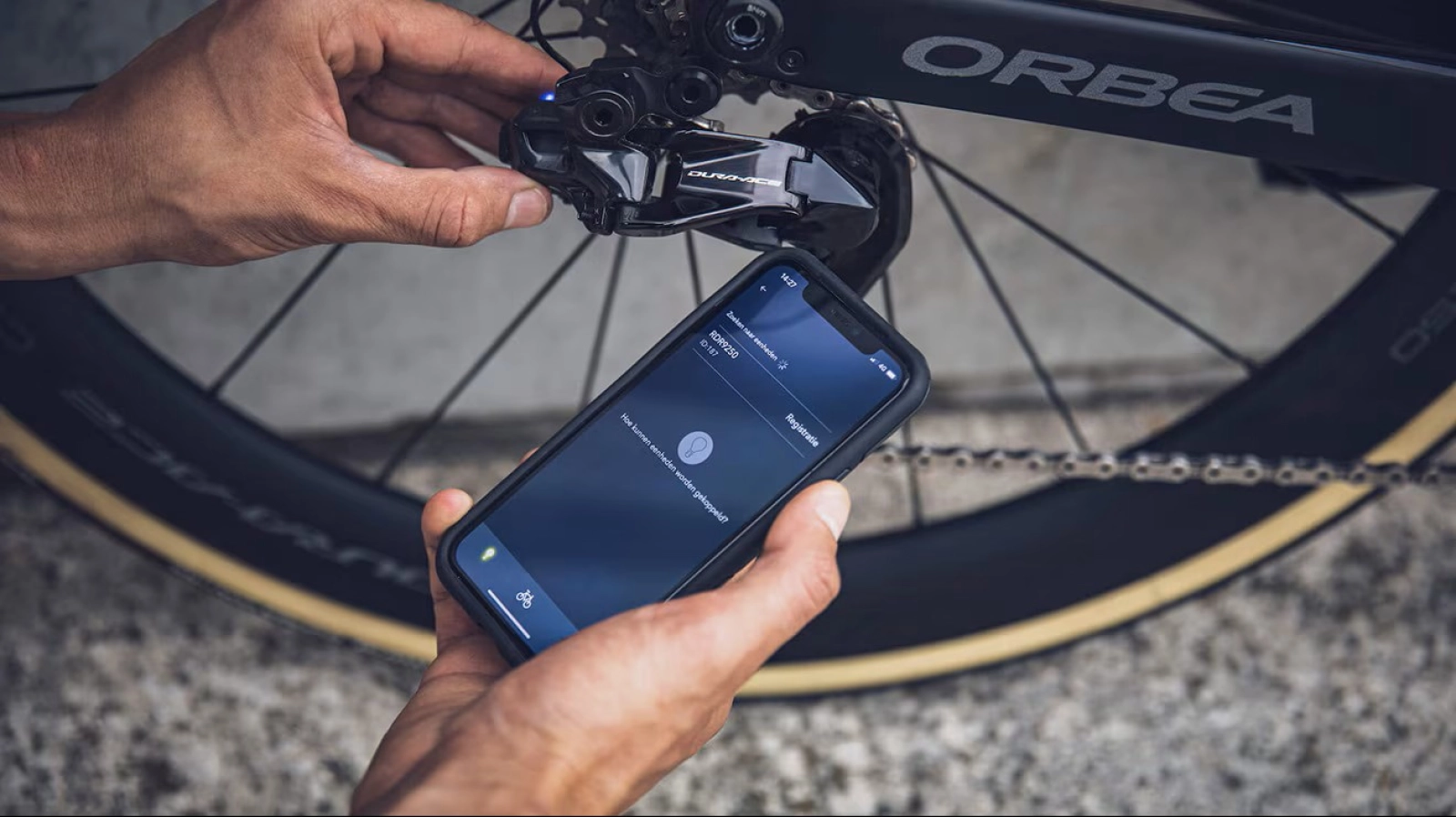
In the case of SRAM, they are clear, and in their catalog, we only find AXS group options, which is their electronic drive technology applied to a range consisting of three options: Red, Force, and Rival. On the other hand, Shimano, which has also extended its Di2 system to the mid-range, maintains its best seller 105 as the flagship of the mid-range in both mechanical and Di2 formats. Additionally, the Japanese brand offers several more options below, such as Tiagra and Sora, which are only available in mechanical drive versions.
Obviously, anyone looking for a high-end bike will have no doubt that the group on their bike will necessarily be electronic, and in fact, many manufacturers currently design their high-end frames to be compatible only with electronic groups.

If we find ourselves in the mid-range, we may wonder whether to install an electronic or mechanical group. Let's look at what aspects might lead us to choose one over the other. First of all, of course, is the lower price of the mechanical option.
Regarding functionality, the technology of the groups has advanced so much that it performs excellently regardless of whether it is operated by a cable or an electrical signal. However, while the electronic system maintains its adjustment unchanged unless, for example, a double hit bends the derailleur hanger, the mechanical system will always be subject to the wear that cables and housings suffer, which requires small adjustments with use and regular replacement of these elements.
Thus, we arrive at the maintenance aspect, undoubtedly a point where electronic groups win hands down, as while replacing a cable and housing has traditionally been a trivial operation, nowadays, with bikes designed to have fully internal cabling from one end to the other, it poses a significant headache for mechanics, which is reflected in the final bill for this maintenance operation. Additionally, the forced routing through the headset that must sometimes be done means that the feel of mechanical groups may not be as smooth and fine as it should be.
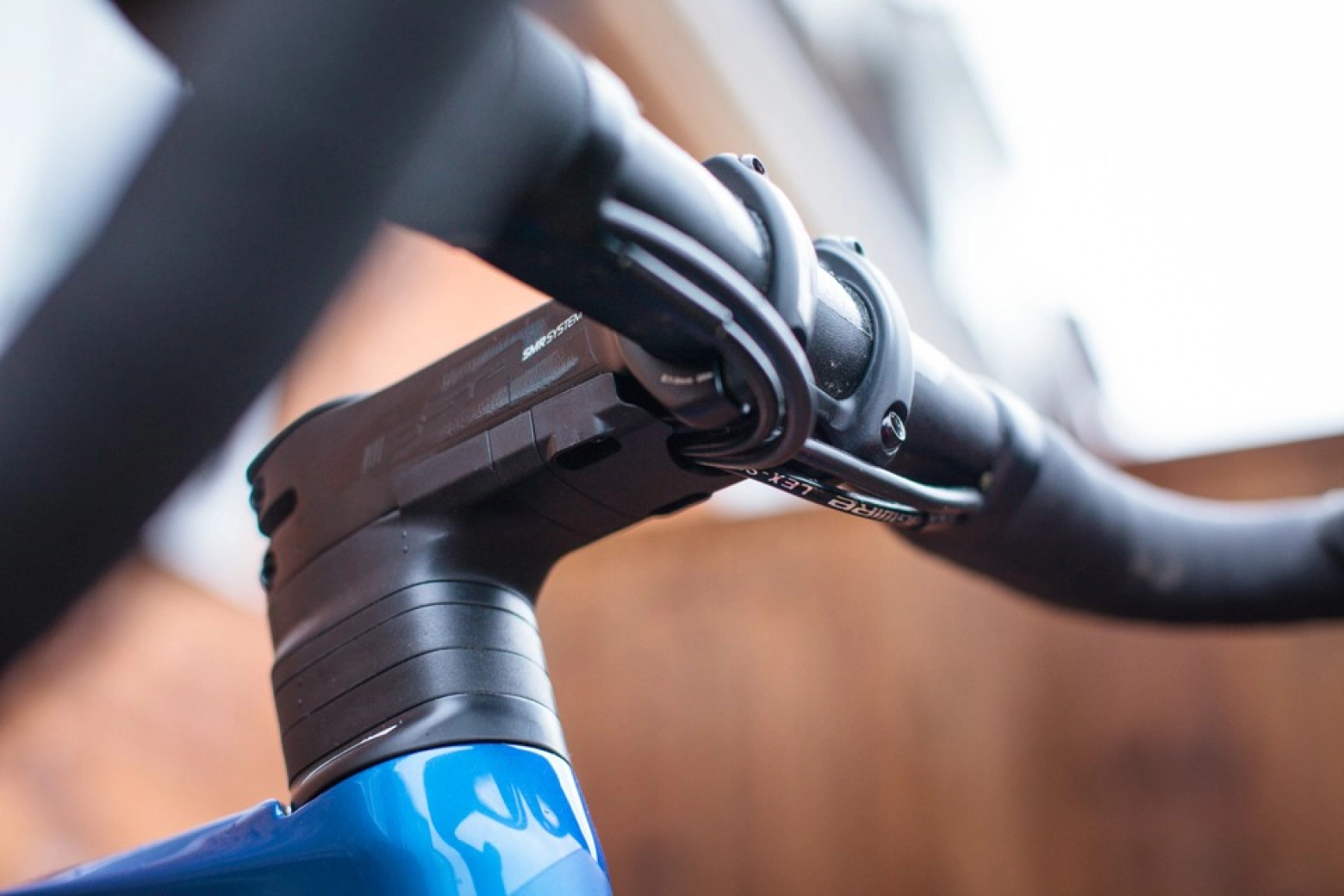
On the other hand, the main drawback of electronic groups is actually the dependency on the multitude of devices we use today. We are, of course, talking about having to regularly charge the batteries and check their charge to avoid being forced to finish a ride in singlespeed mode.
In summary, these are the pros and cons you should consider when deciding whether your future bike will have an electronic or mechanical group.
| Electronic Group | Mechanical Group | |
| Advantages |
|
|
| Disadvantages |
|
|
También puede interesarte
Road
It makes them gain weight, but professional cyclists do not give up this supplement
Nutrition
The most reliable method for determining how many calories you burn while cycling
Mechanics
How to know what is making noise on your bike and how to fix it
Road
The highest-paid cyclists in the world in 2026: Pogacar continues to lead the ranking.
Mountain bike
SCOTT Spark RC 2026 Range: updated models, prices, and weights
Bike Equipment