Hutchinson demonstrates that a 32 mm tire can be faster than a 30 mm and presents the new Blackbird tires in 32 and 34 mm
The trend towards wider road tires, because they are faster, is no longer just a perception of the professional peloton. Hutchinson has decided to back it up with data and expand its entire Blackbird range with new sizes of 32 and 34 mm that, according to independent laboratory tests, not only match the narrower versions but exceed them in efficiency, comfort, and stability.
Hutchinson bets on wide road tires: the new Blackbird 32 and 34 mm roll faster and with more grip
The French company, one of the historical references in tire technology, argues that the classic equation “narrower and more pressure = faster” is outdated. To demonstrate this, it compared identical conditions of 30 and 32 mm versions of the same model. The result was clear: the 32 mm tire offered an average improvement of at least 5% in rolling efficiency, as well as an evident plus in grip and absorption.
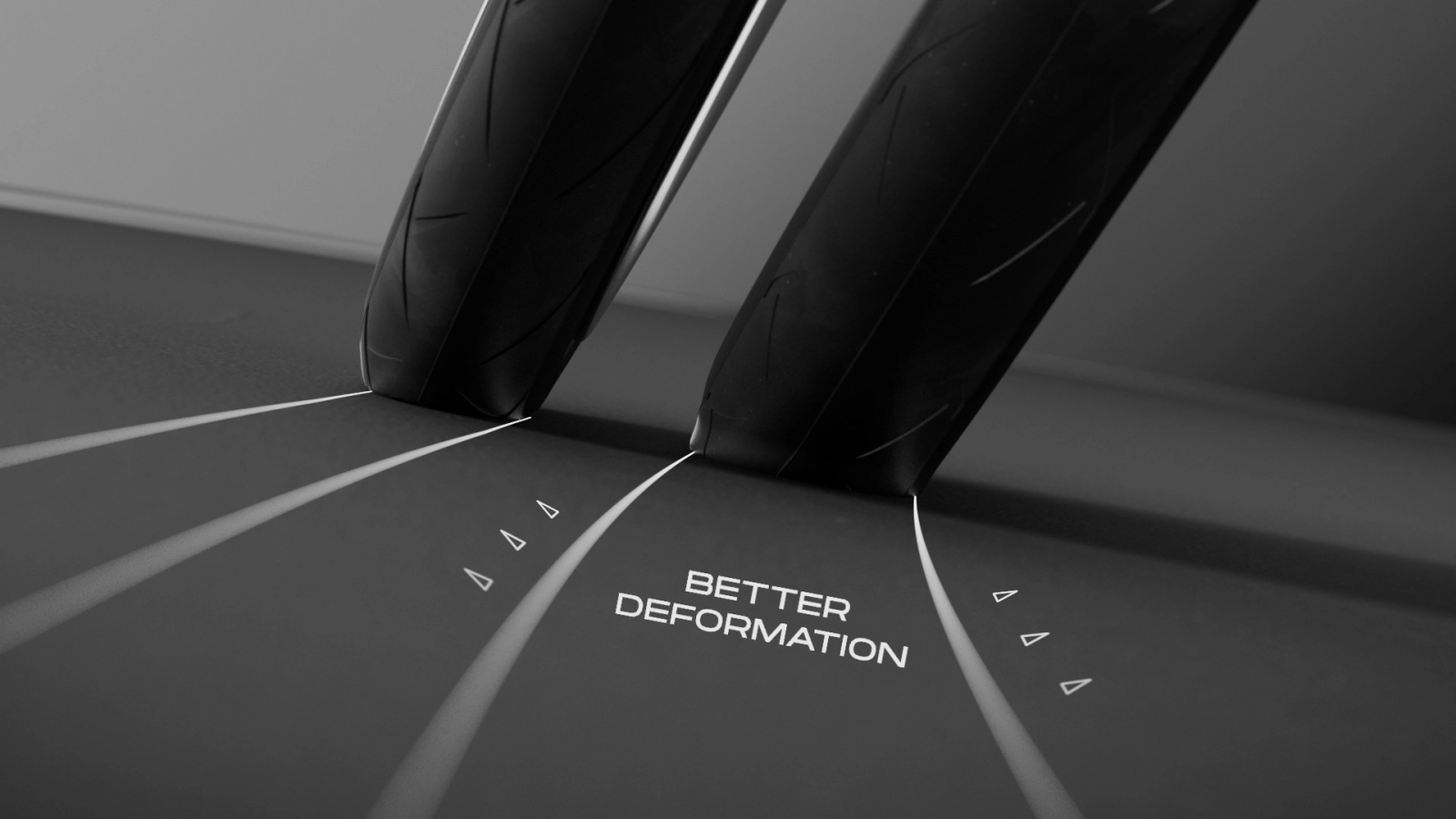
The technical argument is based on three pillars: rolling resistance, grip, and comfort. At the same pressure, a wider tire generates a shorter and rounder contact patch. This reduces internal friction and casing deformation, two key factors in energy loss. In practice, the 32 mm rolls with less resistance than the equivalent 30 mm.
RECOMENDADO

How to know what is making noise on your bike and how to fix it

The highest-paid cyclists in the world in 2026: Pogacar continues to lead the ranking.
SCOTT Spark RC 2026 Range: updated models, prices, and weights

When do helmets have to be changed? Do they have an expiration date?

What benefits does bicarbonate have for cyclists?
Is a cyclist born or made? The eternal debate between talent and training
In corners, the larger contact area offers more lateral support and keeps the contact zone centered under the rim. Additionally, the use of lower pressures, made possible by the greater air volume, increases stability, especially on quick turns or uneven asphalt.
One of the most interesting points is the integration of comfort as a performance element. By working with less PSI, the tire acts as a micro-suspension system, filtering vibrations and maintaining inertia over bumpy surfaces instead of bouncing. In real terms, this translates to less fatigue and more sustained speed.
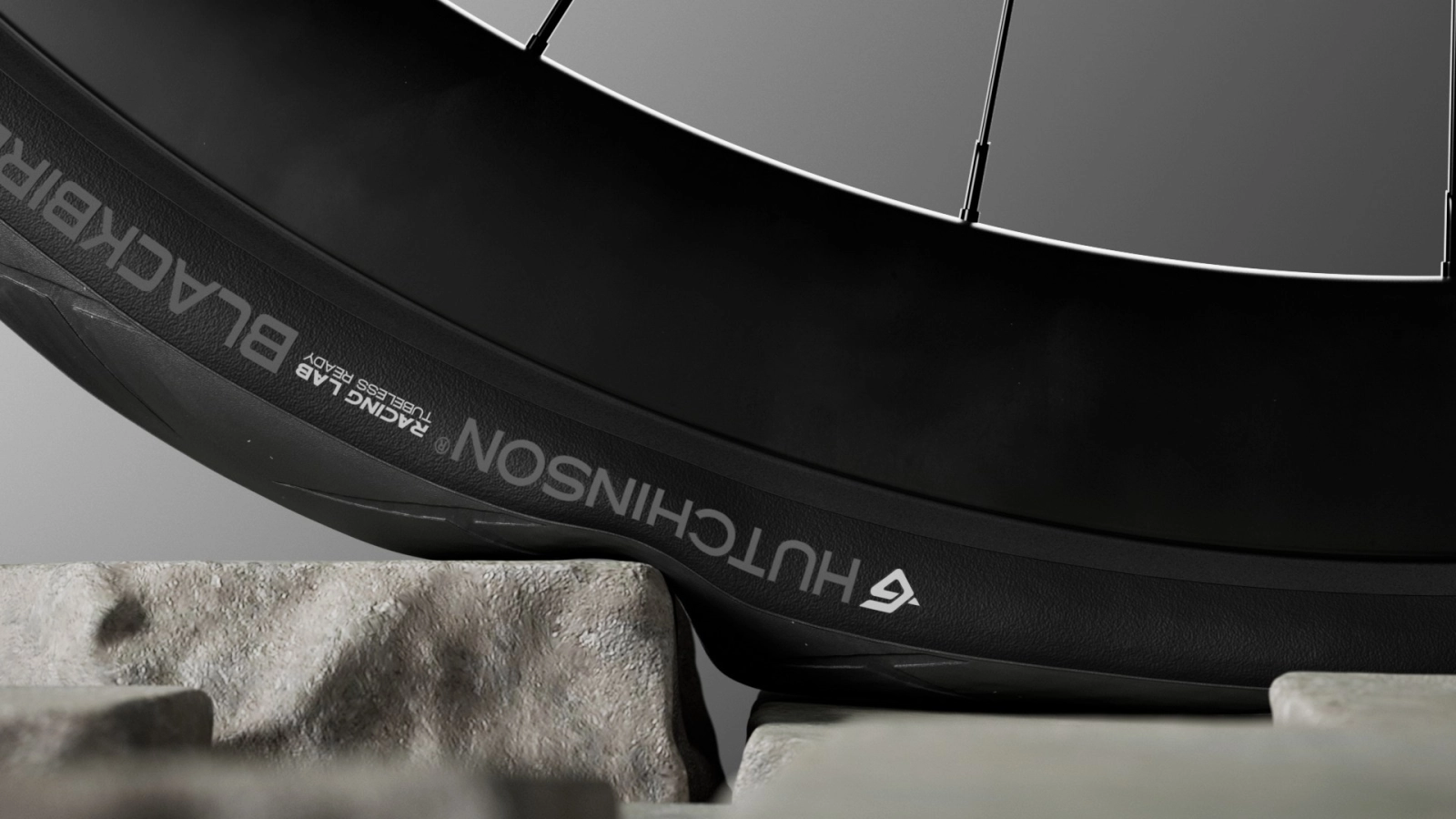
Hutchinson argues that the 32 mm should become the standard option for performance-oriented cyclists, while the 34 mm fits better for daily training or competitions on deteriorated asphalt or cobblestone sections.
The brand also questions the idea that a narrower tire is automatically more aerodynamic. Aero efficiency depends primarily on the clean transition between the tire width and the rim profile. Without proper integration with the rim, reducing millimeters does not guarantee a real improvement against the wind.
Martin Chuchu, product manager at Hutchinson, summarizes the approach: “The industry believed that wider tires would harm performance. We wanted to challenge that idea. With the 32 and 34 mm Blackbirds, we demonstrate that this view is outdated. A wider tire performs better: it filters vibrations, cushions, and, above all, offers stability that is immediately noticeable, especially in fast corners.”
He adds: “The change may be surprising at first, but once you try it, there’s no going back. The width becomes a clear advantage: more stable, faster, and safer.”
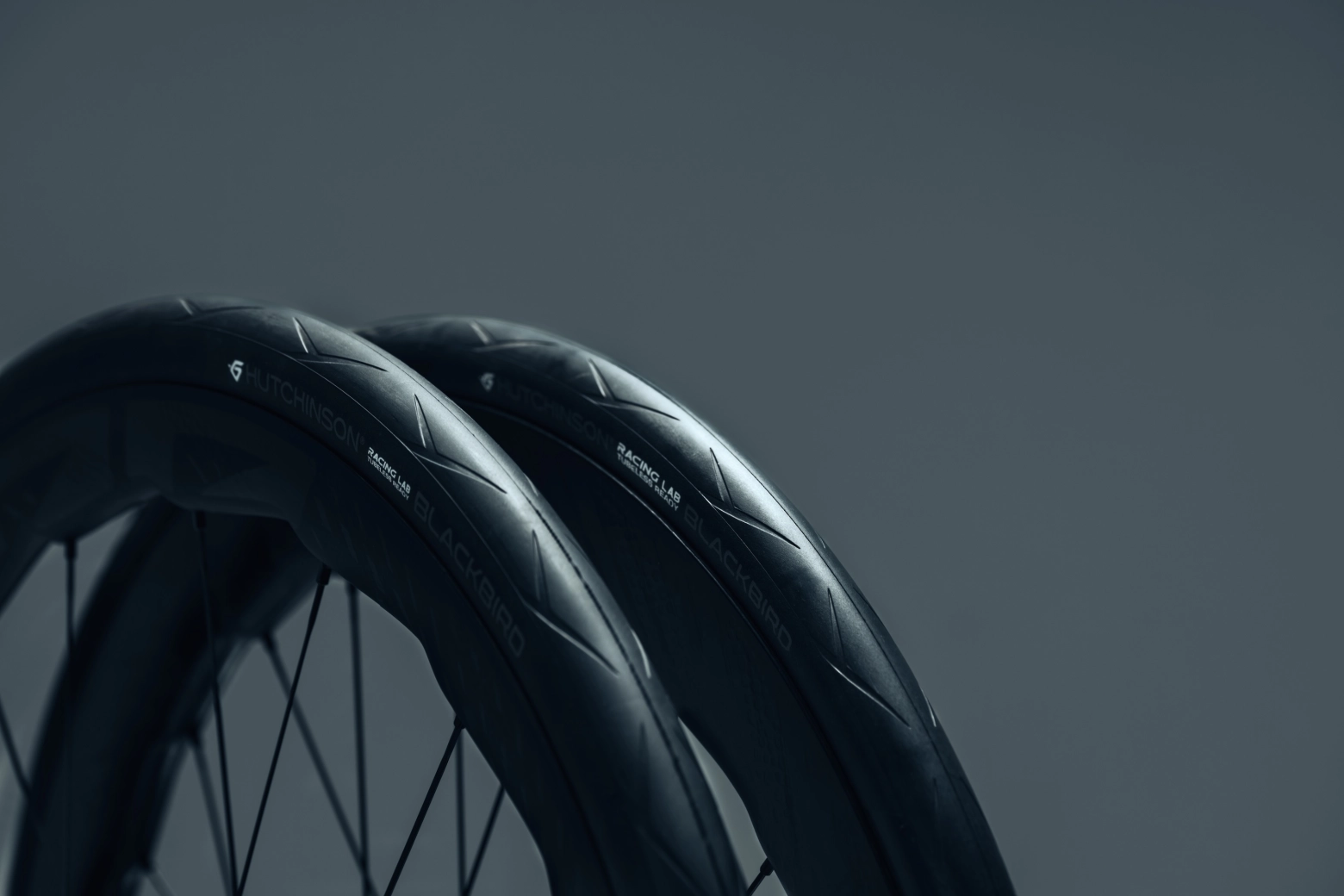
The new Hutchinson Blackbird range does not increase prices
The new sizes of 32 and 34 mm are incorporated into the entire Blackbird family and maintain exactly the same price as their narrower versions:
- Blackbird Race: purely competitive focus, now available in 28, 30, 32, and 34 mm – 79.99 €
- Blackbird: versatile version with low resistance and a lifespan of over 4,000 km, available in black finish and brown sidewall in 26, 28, 30, 32, and 34 mm – 69.99 €
- Blackbird All Season: designed for cold and wet conditions without sacrificing performance, available in black and Tan Wall in 28, 30, 32, and 34 mm – 69.99 €
With this move, Hutchinson aligns itself with a clear market evolution, where the standard of 28 mm is beginning to give way to 30 mm sections or larger. The key, according to the data presented, is that the increase in volume no longer represents a compromise between comfort and speed, but a joint improvement of both parameters.
También puede interesarte
Mechanics
How to know what is making noise on your bike and how to fix it
Road
The highest-paid cyclists in the world in 2026: Pogacar continues to lead the ranking.
Mountain bike
SCOTT Spark RC 2026 Range: updated models, prices, and weights
Bike Equipment
When do helmets have to be changed? Do they have an expiration date?
Nutrition
What benefits does bicarbonate have for cyclists?
Training