Giant responds to accusations of labor exploitation by the United States
Last week, the United States banned the import of products from Giant, the world's largest bicycle manufacturer, made in Taiwan. The reason, accusations of forced labor and semi-slavery regime that the Asian company would be applying to many of its workers, although rumors claim that it is a mere excuse to implement a measure embedded in the trade war unleashed by Donald Trump.
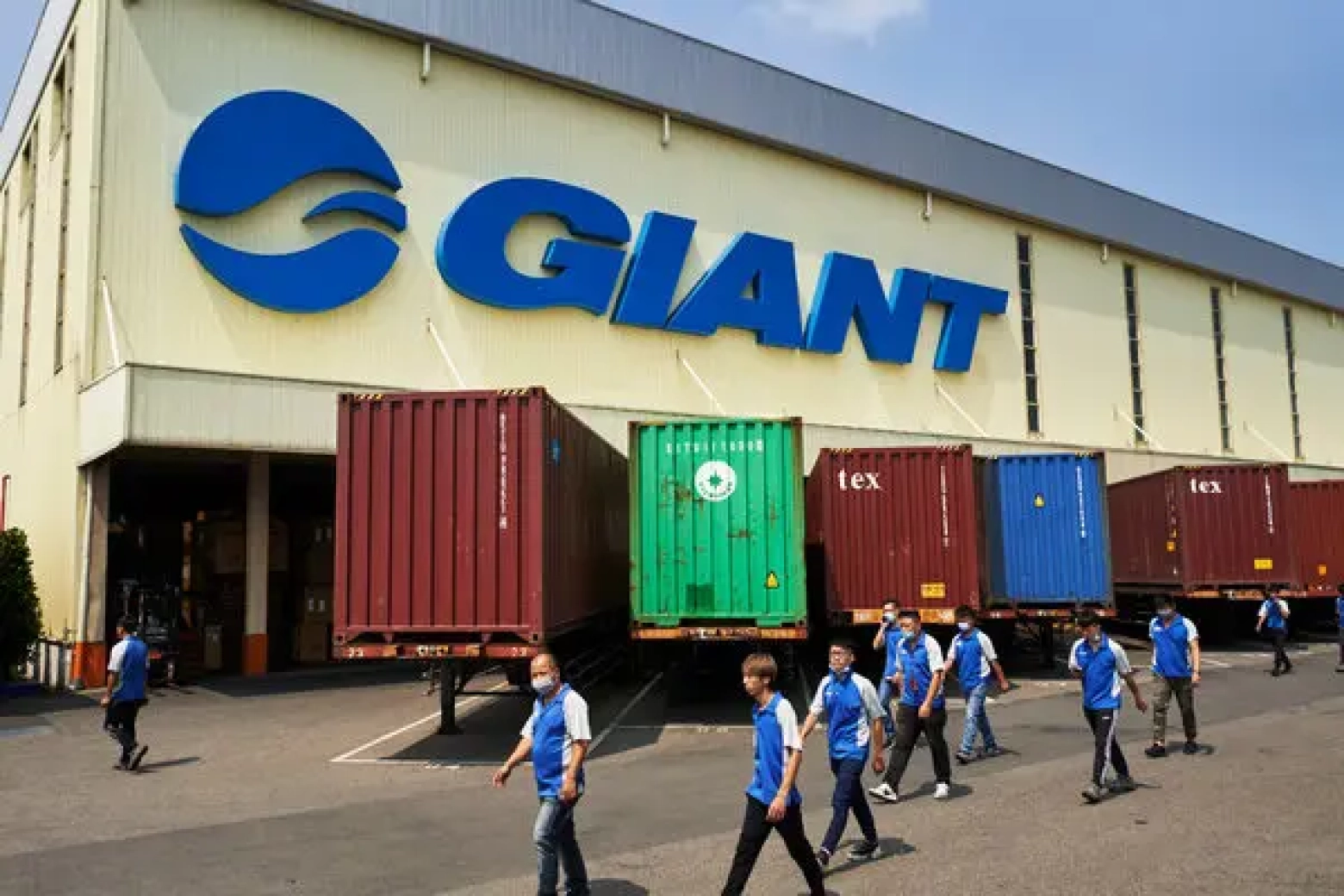
Accusations of labor exploitation are the excuse for the U.S. to ban the import of Giant products
A recent investigation by Danish investigative journalist Peter Bengtsen uncovered practices of semi-slave labor and forced labor in several Taiwanese companies including Giant, the world's largest bicycle company, which led the United States government to ban the import of bicycles and other products manufactured in Taiwan by Giant.
Bengtsen's investigation revealed how forced labor was common among workers who incurred debt in their home countries when recruited as labor for different companies, including Giant as mentioned before, having to dedicate their work activity to pay off that debt.
RECOMENDADO

The 2026 MTB World Cup kicks off in a month: dates, venues, and key highlights of the schedule
Fake stickers and illegal bikes: How the UCI monitors equipment during competitions
From steel tubes to carbon without limits: the revolution that forced the UCI to intervene
The most important information about your bike that almost no one checks

Cobblestones, mud, and legend. Why cycling never abandoned the cobblestones

Boost your watts, boost your level: that's how you improve your FTP
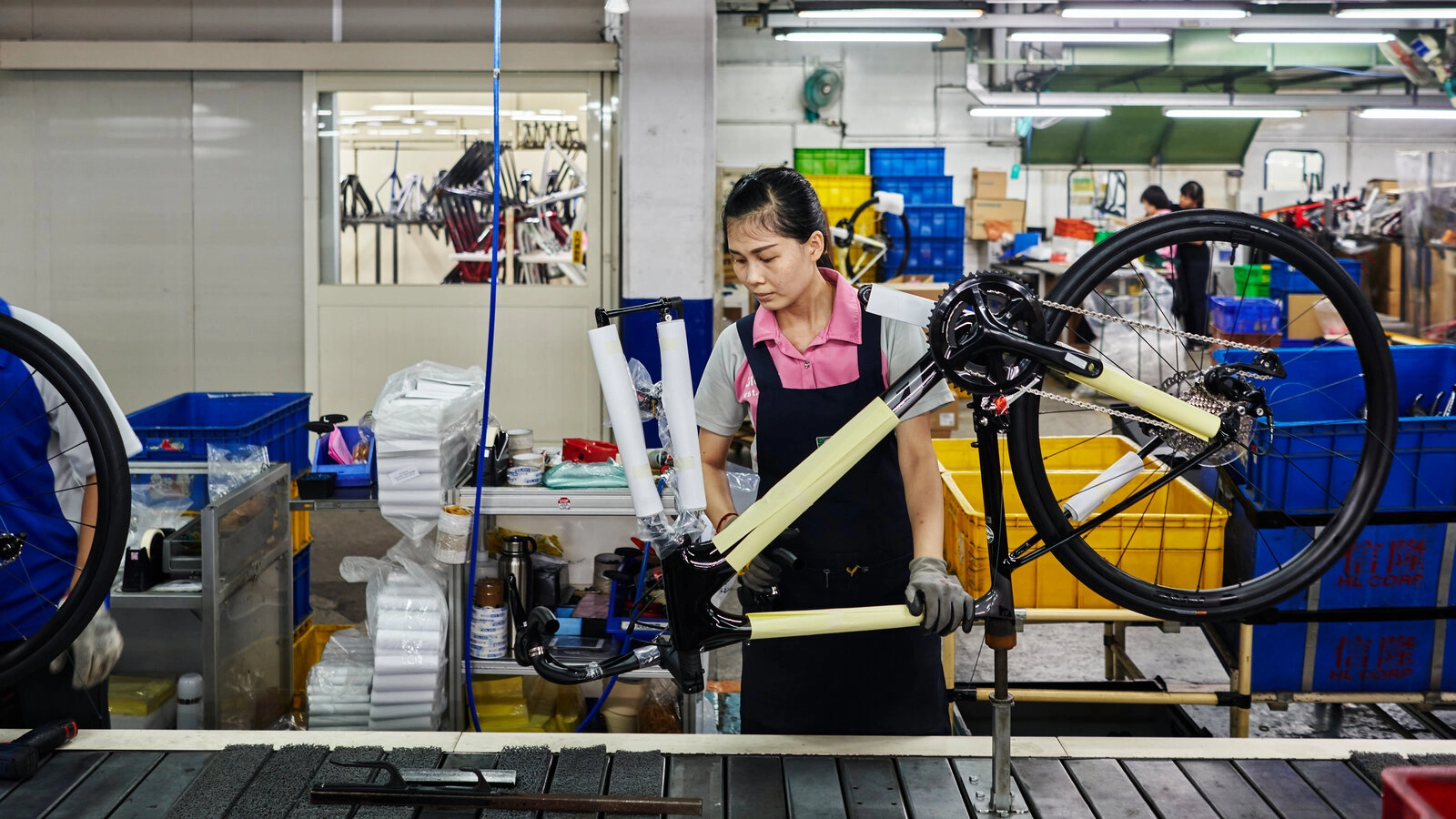
Giant defended itself by claiming that this prohibition by the United States is nothing more than an excuse to continue hindering, beyond the draconian tariffs that Donald Trump is imposing on half the world. According to the brand in its defense, in the last year Giant has been implementing a zero hiring fee policy in addition to improving the safety of its workers by providing them with a safer and more comfortable living environment.
On the other hand, the Taiwan Bicycle Association, which represents manufacturers in that country, also wanted to speak out, "Taiwanese companies have strictly complied with Taiwan's labor regulations, which, however, may differ, in one way or another, from international methods and references for improvement. We will always comply with Taiwan's labor laws and do our best when there is room for improvement."
También puede interesarte
Mountain bike
The 2026 MTB World Cup kicks off in a month: dates, venues, and key highlights of the schedule
Road
Fake stickers and illegal bikes: How the UCI monitors equipment during competitions
Road
From steel tubes to carbon without limits: the revolution that forced the UCI to intervene
Road
The most important information about your bike that almost no one checks
Road
Cobblestones, mud, and legend. Why cycling never abandoned the cobblestones
Training