"You can die from a heat stroke": the doctor from Astana warns about the symptoms and why cyclists do not detect them
The high temperatures accompanying much of the cycling calendar this summer have reopened the debate about the limits of competition under extreme conditions. Just a few days before the Tour de France, Emilio Magni, the medical director of XDS Astana, explained in an interview with bici.pro how the rise in temperatures is forcing teams and organizers to rethink protocols that were considered exceptional just a few years ago.
The doctor of XDS Astana warns about extreme heat: “What was once exceptional is now becoming the norm”
The Italian doctor believes that cycling can no longer treat heat waves as isolated episodes.
“We have to accept that these climate changes are no longer conversations, but a reality,” explains Magni. “There is a protocol for extreme conditions, but in some cases, the extreme has become the norm.”
His statements come just days after the heat stroke suffered by Elisa Longo Borghini during the last stage of the Tour de Suisse, an episode that has once again highlighted the risks faced by riders when competing under increasingly high temperatures.
What happens in the body when heat stroke occurs
RECOMENDADO
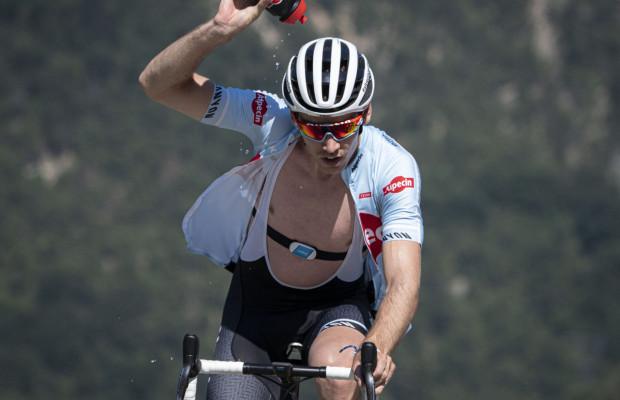
The UCI uses this index to determine when the heat is dangerous for cyclists
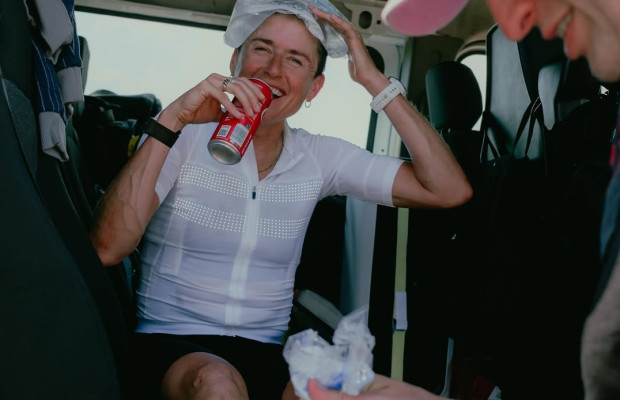
The heatwave in Spain takes down Lael Wilcox and her attempt at the round-the-world record
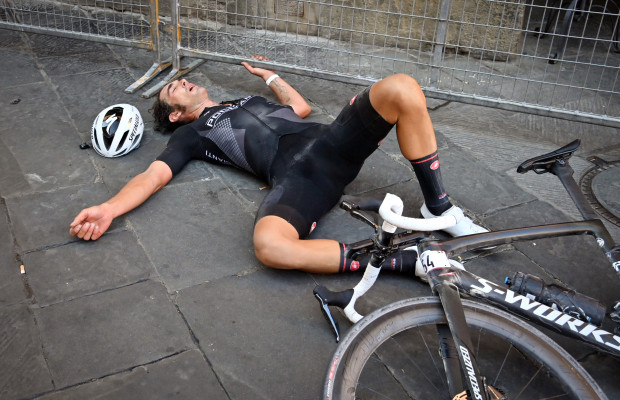
When to skip training and rest without feeling guilty
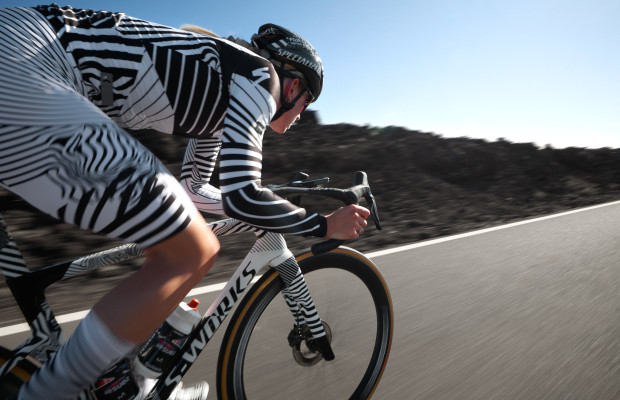
Free aero gains for your bike: small changes that make you faster
More power, less fatigue: how nitrates could help you on the bike
An indoor trainer can do more for your training than you think: here are 7 reasons to own one
Magni explains that the problem arises when the body is no longer able to dissipate the heat it generates and absorbs during exertion.
“The body reaches a point where it can no longer eliminate the thermal energy it is accumulating, and that creates an emergency situation.”
According to the medical director of XDS Astana, the first systems to start failing are those responsible for regulating body temperature.
“The brain's thermoregulation systems stop functioning. Then heart activity, vasodilation, and circulation are disrupted. A genuine short circuit occurs.”
The loss of performance is an immediate consequence, but not the most concerning one. Magni reminds us that excessive increases in body temperature directly affect the processes that allow muscle contraction.
“If you push the body to 40 degrees, you can't even pedal because those enzymes stop functioning properly.”

A danger that riders often do not detect
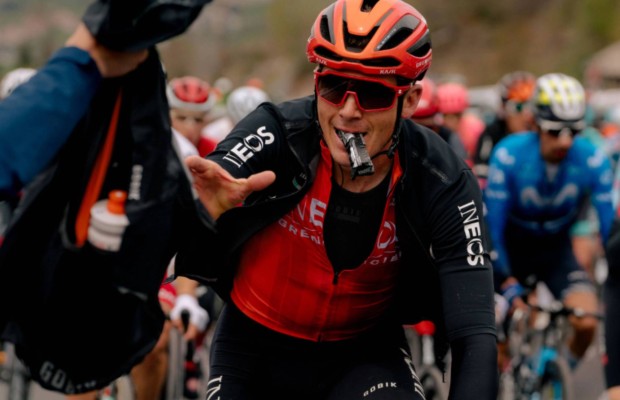
One of the added problems is that cyclists often ignore the first warning signs. Headaches, nausea, or disorientation can appear before heat stroke, but the competitive dynamic itself makes it difficult for riders to react in time.
"You can die from a heat stroke..." “Riders are a category of true beasts who only think about going fast during a race.”
For Magni, that ability to endure suffering that characterizes professional cycling can become a risk when heat starts to affect judgment and decision-making ability.
How a WorldTour team prepares to compete under extreme temperatures
In the case of XDS Astana, the strategy begins long before the start. The main goal is to ensure that riders arrive at the race with the maximum possible fluid reserves.
“The first thing is super hydration.”
This is complemented by lighter nutrition and various cooling measures, such as ice vests used before stages or the constant supply of ice during the competition.
However, Magni acknowledges that all these solutions have a limit. “They are temporary remedies.”
When heat stroke occurs, the only priority becomes reducing body temperature as quickly as possible in a cool environment.
From the Tour of California to the current heat waves
During the interview, Magni recalls one of the most severe cases he experienced in his professional career when he worked at Liquigas during the 2013 Tour of California. Rider Mauro Da Dalto suffered a severe heat stroke episode after collapsing mid-stage.
That experience left a lasting impression on him, but it also serves to illustrate how much the situation has changed in just a decade.
“When I started working in cycling, we talked about the heatwave of the Tour de France, especially in the Pyrenees. Today we have that heat here too.”
A scenario that threatens to become one of the major challenges for the peloton in the coming years and could force a rethink of schedules, protocols, and even the design of some competitions during the hottest months of the calendar.
También puede interesarte
Training
The UCI uses this index to determine when the heat is dangerous for cyclists
Road
The heatwave in Spain takes down Lael Wilcox and her attempt at the round-the-world record
Training
When to skip training and rest without feeling guilty
Road
Free aero gains for your bike: small changes that make you faster
Nutrition
More power, less fatigue: how nitrates could help you on the bike
Training
