What supplements are the most used in the peloton?
The high-level sport is so tremendously demanding on the body that, often, it is not possible to meet nutritional requirements solely through diet. This is where supplements come into play, which not only aim to fill these gaps but also go further, legally seeking to improve performance and recovery from efforts. These are the most popular today in cycling.
Supplements in Cycling: The Extra That Allows for Better and More Training
Nowadays, high-level sports cannot be conceived without the use of supplementation. Such is the demand placed on the cyclist's body by intense training and the demanding competition calendar, and such is the need to fine-tune nutrition to the limit to maintain weight at a minimum, that often, diet alone cannot provide all the necessary nutrients for that level of demand. At other times, a small extra help is sought, legal, of course, when we talk about supplements that improve recovery or make the most of strength training in the gym.
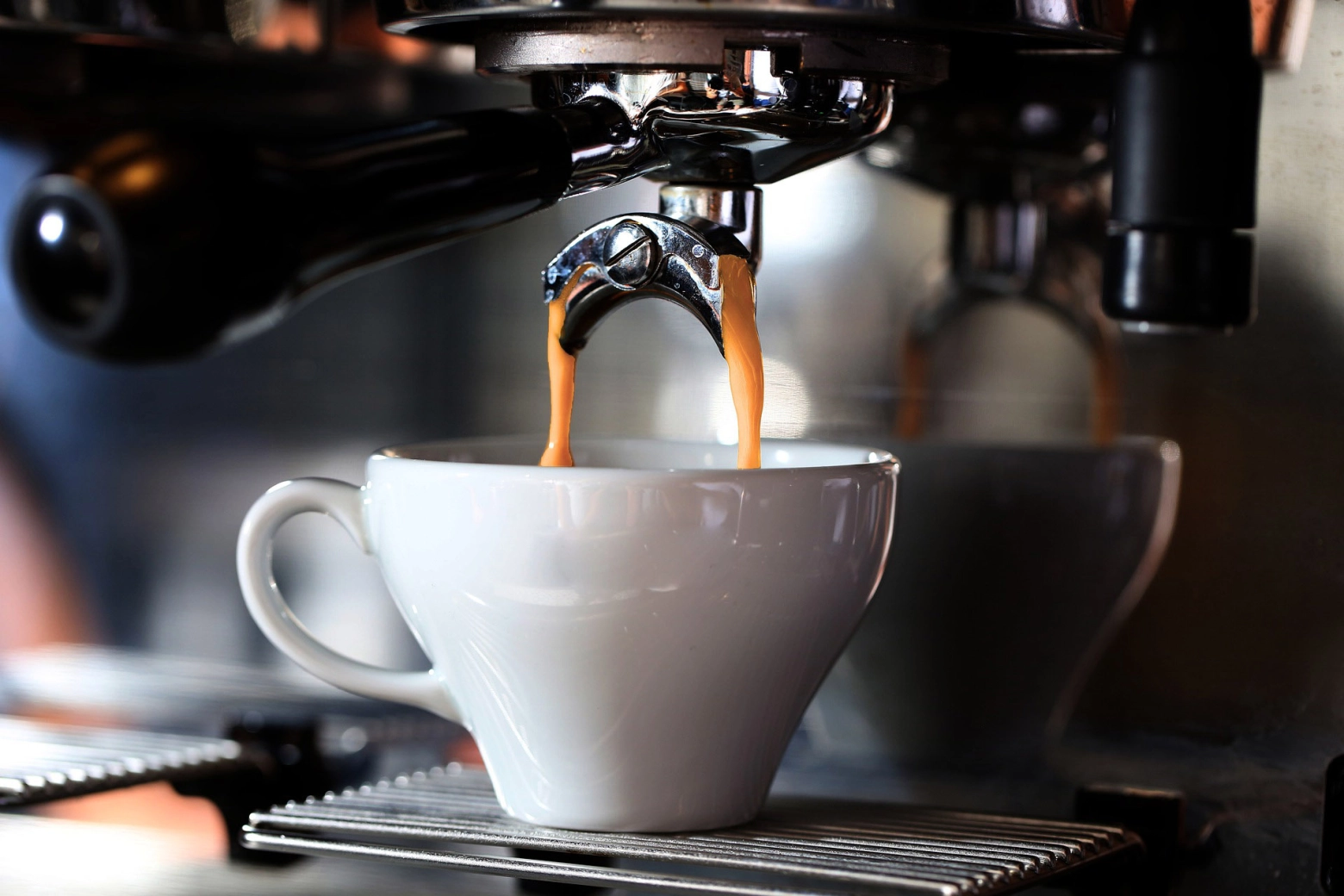
Without a doubt, the most used is caffeine. A substance that in the past was even banned at certain concentrations and that currently has completely free use. It is the king of supplements thanks to its stimulating effect, which allows for a reduction in the perception of effort as well as improving the cyclist's mental sharpness. Beyond the massive consumption of coffee, so common among cyclists, it has become a regular ingredient in energy gels and is even specifically consumed in tablet form.
RECOMENDADO
Why does Pogacar always wear lace-up shoes?
Bad odors and chafing? You’re washing your cycling clothes the wrong way
Goodbye to watts per kilogram as the sole benchmark—fatigue decides who’s the best
The 2026 MTB World Cup kicks off in a month: dates, venues, and key highlights of the schedule
Fake stickers and illegal bikes: How the UCI monitors equipment during competitions
From steel tubes to carbon without limits: the revolution that forced the UCI to intervene
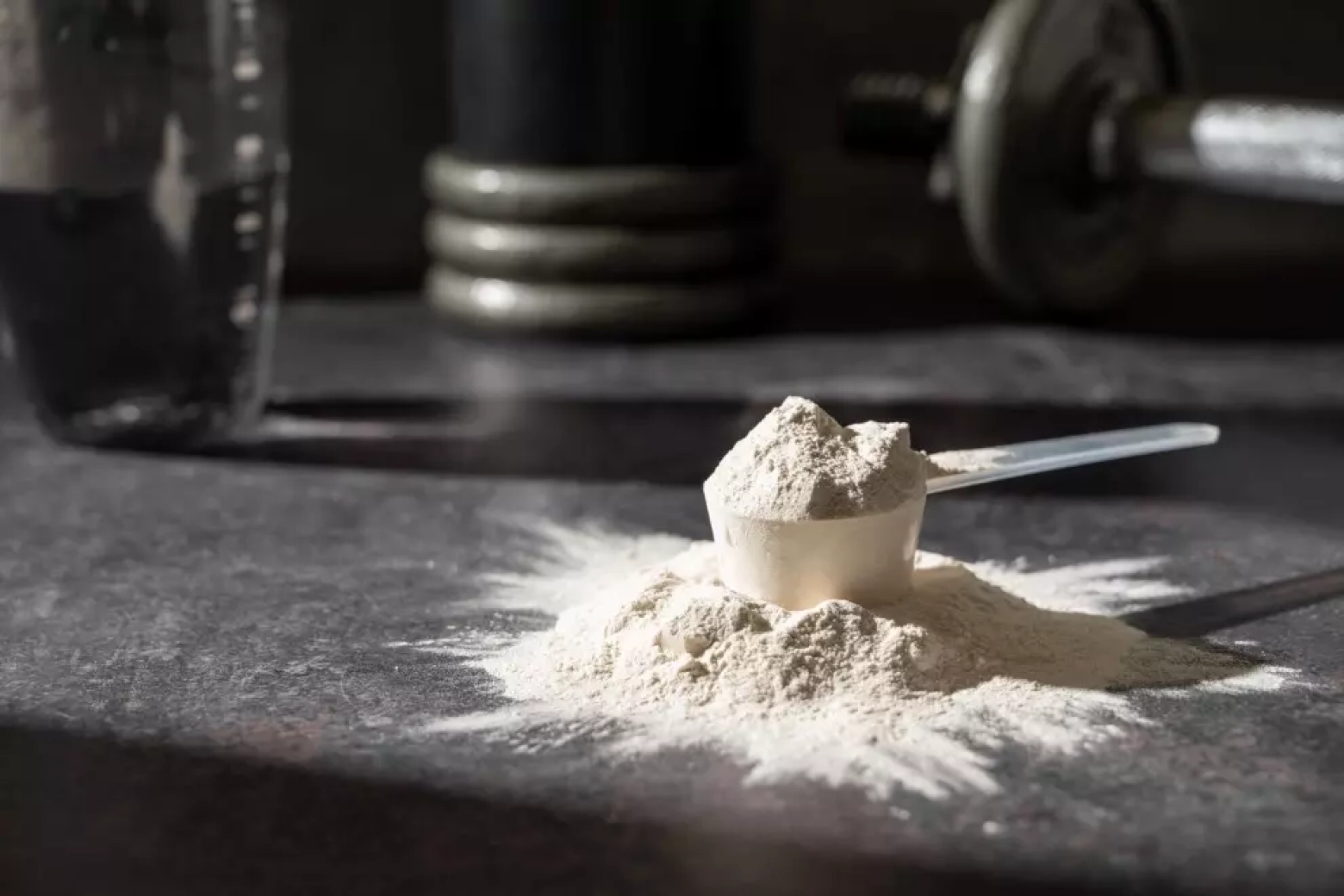
The next trendy supplement is creatine, a product that until recently was confined to gym environments and has gained relevance in cycling due to the increasing importance of strength as a performance parameter. In addition to improving strength gains, creatine would also have an effect on enhancing the ability to perform maximum intensity efforts. On the other hand, it must be used in moderation to avoid the fluid retention associated with this substance, which translates into an always inconvenient weight gain.
Sodium bicarbonate is another option that cyclists often resort to. A substance that is popularly used as an antacid, and precisely these characteristics help to better withstand high-intensity efforts, resulting in less leg burning when pedaling to the limit.

Protein shakes are also a common part of a cyclist's supplementation, especially as part of the recovery products that cyclists consume immediately after getting off the bike following a stage or training. The goal is to make the most of the metabolic window to provide the "bricks" necessary to rebuild the damage caused by pedaling in the muscles in order to accelerate recovery and be ready as soon as possible for another tough pedaling session.
Finally, we cannot forget the most controversial product of recent years. We are talking about ketones, an expensive product that initially seems to be affordable only for professionals and whose use would imply having an extra source of energy that would help preserve the precious glycogen stores for the decisive moments of races. However, its use is still fraught with uncertainties, and team physiologists are still researching how to get the most out of ketones.
También puede interesarte
Road
Why does Pogacar always wear lace-up shoes?
Bike Equipment
Bad odors and chafing? You’re washing your cycling clothes the wrong way
Road
Goodbye to watts per kilogram as the sole benchmark—fatigue decides who’s the best
Mountain bike
The 2026 MTB World Cup kicks off in a month: dates, venues, and key highlights of the schedule
Road
Fake stickers and illegal bikes: How the UCI monitors equipment during competitions
Road