What is the normobaric chamber that some cyclists are using to recover better? Is it doping?
While the MPCC advocates to the UCI to take a stance on the use of certain training and recovery methods, new techniques continue to emerge that teams are applying to their arsenal of tools to extract every last gram of performance from their cyclists. The latest to come to light is the use of normobaric chambers to aid in the recovery of cyclists between races.

The Latest in Recovery: Chambers that Increase Oxygen and Hydrogen Supply to Cyclists
At a time when the cycling world is shaken by the prohibition of CO2 inhalation or by the MPCC's call for the UCI to root out certain methods that teams have been using, the well-known British media outlet Cyclist reports on a technique that teams like INEOS Grenadiers, Soudal-QuickStep, or Alpecin-Deceuninck used during the last classics campaign to accelerate recovery from one race to another.
This involves the normobaric chamber available at the Flanders Cobblestone Paradise, a hotel located in the town of Brakel, very close to Oudenaarde, the nerve center of the Tour of Flanders, run by John Wiggins, a scientist expert in sports performance and promoter of this recovery technique.
RECOMENDADO

Why does Pogacar attack while sitting?

Cycling shorts vs underwear: ultimate guide to not ruining your outings
What are the five monuments of cycling?
How much time would a professional cyclist take out on an amateur in a race?

The calorie trap: eating less does not always mean losing weight

Why do most cyclists wear their glasses outside their helmets?

The hypobaric chamber has a capacity for 20 cyclists and is a room where atmospheric pressure levels can be controlled, as well as the concentration of different gases in the air, mainly oxygen and hydrogen.
As Wiggins explains, the goal is to achieve hyperoxia, which is related to an acceleration of the cyclist's recovery. To achieve this, a concentration of oxygen of around 41% is applied inside the chamber, nearly double the 21% of oxygen found in air at sea level. To ensure that this higher concentration of oxygen reaches the cyclist's cells, the chamber operates at an atmospheric pressure higher than normal, between 1.5 and 2 bar.
With the arrival of more oxygen to the muscle cells, there is a reduction in inflammation caused by the intensity of pedaling, and even the healing of wounds is accelerated. While oxygen therapy has been widely used in the past by figures like Cristiano Ronaldo or Chris Froome, the extra element that John Wiggins has incorporated is the addition of hydrogen.
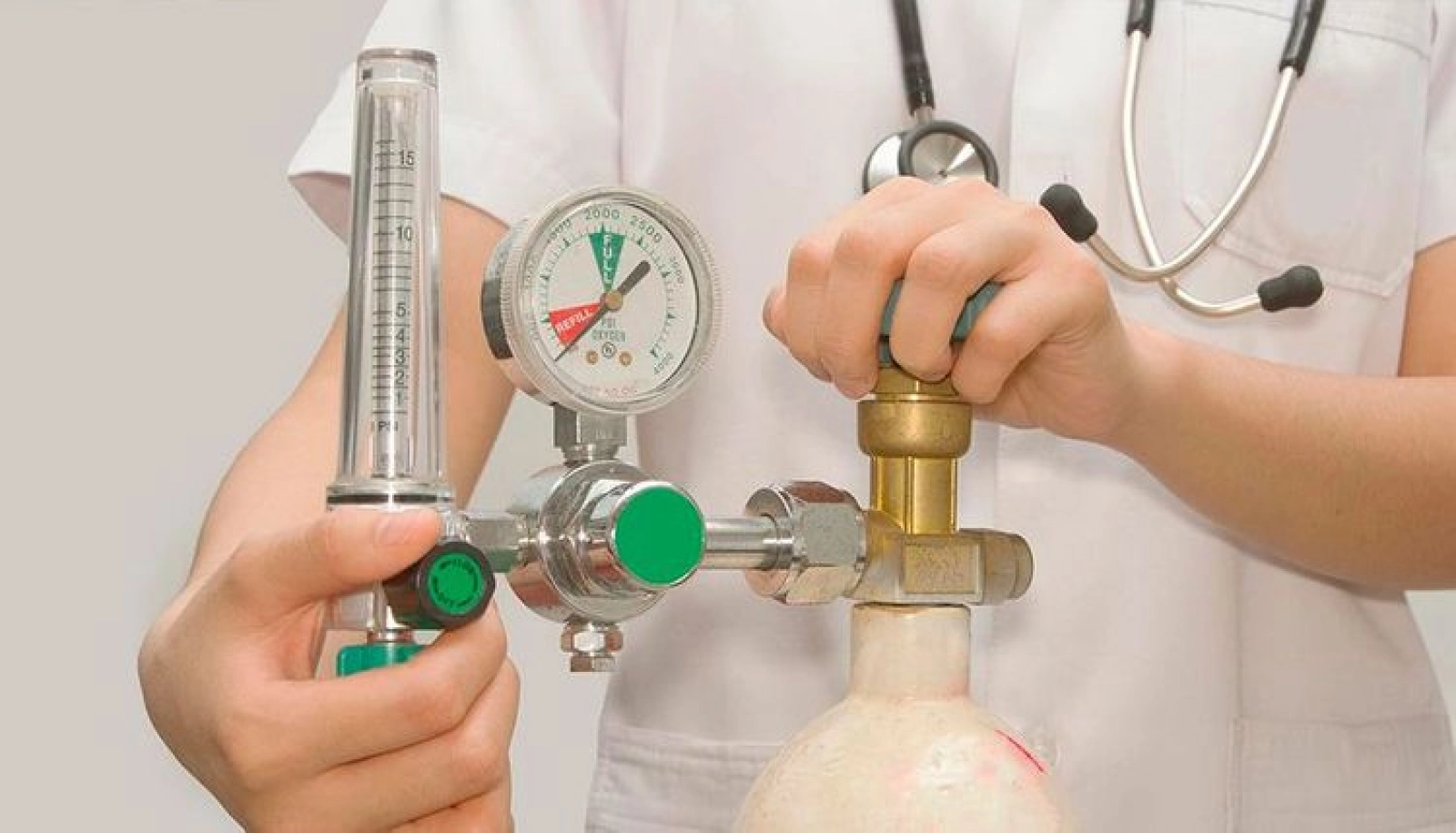
Inside the chamber, the concentration of hydrogen is 1,000 times greater than that of the air we usually breathe, a gas with antioxidant and anti-inflammatory effects, but these effects only manifest when it is supplied at a certain pressure, which is where the pressure control that makes the chamber possible comes into play.
According to John Wiggins, the effects of the chamber are evident in how heart rate variability decreases after use. Additionally, cyclists who have used its services report an improvement in sleep quality, which is essential for enhancing recovery and is often affected by very high-intensity efforts.
These facilities are available at the aforementioned hotel for anyone who spends a few days cycling through Flanders for a price of €30 for a two-hour session.
Of course, this technique could fall into those gray areas that the MPCC called for clarification on in its latest statement, where it requests the UCI to take a stance on the use of these methods in the same way it recently did regarding the use of CO2 inhalation techniques.
También puede interesarte
Road
Why does Pogacar attack while sitting?
Bike Equipment
Cycling shorts vs underwear: ultimate guide to not ruining your outings
Road
What are the five monuments of cycling?
Training
How much time would a professional cyclist take out on an amateur in a race?
Nutrition
The calorie trap: eating less does not always mean losing weight
Road