Urolithin A enters the radar of professional cycling: the supplement that promises to enhance recovery
Each edition of the Tour de France becomes a showcase for the latest innovations in equipment, training, and nutrition. This year, in addition to new bikes and components, several supplements are grabbing some attention. Just a few days ago, the use of exogenous lactate in the peloton was confirmed, and now urolithin A is starting to gain prominence for its supposed potential to aid muscle recovery and because it may have already reached the environment of some teams.
Urolithin A, the new supplement that promises to improve cyclists' recovery
The interest arose after Cyclingnews detected a box of Mitopure products at the start of the Tour, the patented form of urolithin A marketed by the Swiss company Timeline. Although it was initially speculated that Red Bull-BORA-hansgrohe might be using it, the team later denied to the American media that the supplement is part of their nutritional program.
What is urolithin A?
Urolithin A is not a synthetic substance. It is a compound that the body can produce naturally by metabolizing certain polyphenols found in foods such as pomegranate, walnuts, or some berries. However, not everyone generates significant amounts, as its production largely depends on gut microbiota.

RECOMENDADO
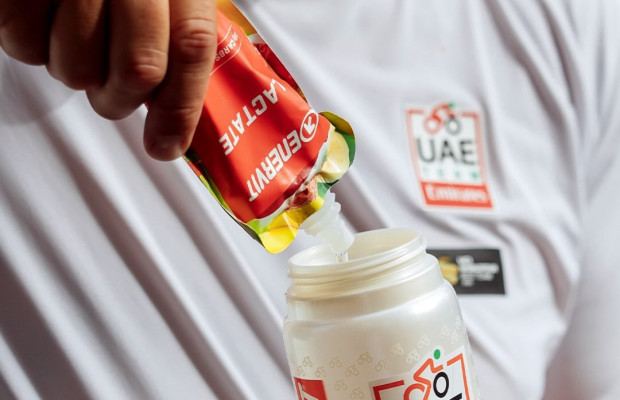
Confirmed: Pogacar is taking lactate products in the Tour de France
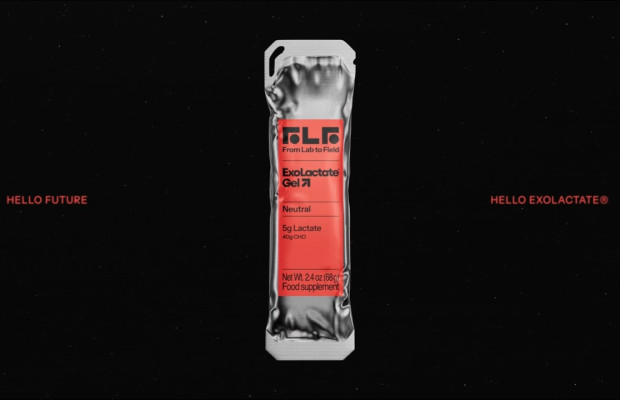
How are lactate gels used and what do they provide?
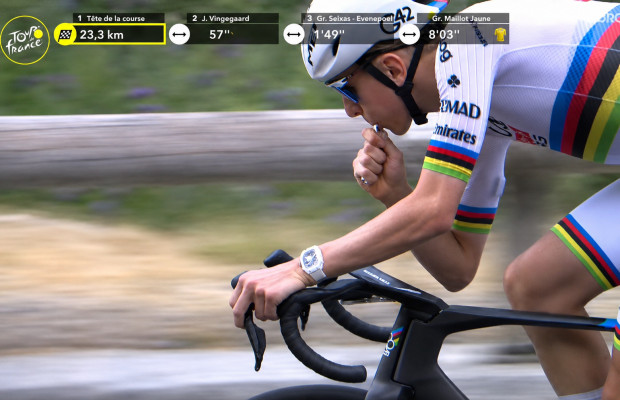
Is Pogacar using lactate gels in the Tour de France?
The Megamo West 2027 gets a new range from €2,399 and remains a great choice

The new cycling regulations in Spain are here: everything that changes from 1 October (this Thursday)

What do the colours of the rainbow jersey mean, and who was the first World Champion?
Supplements like Mitopure directly provide this molecule with the aim of improving mitochondrial function, the cellular structures responsible for producing energy. The theory is that better renewal of these damaged mitochondria could translate into faster recovery after repeated efforts, something especially interesting in demanding competitions like a three-week grand tour.
Unlike other supplements popular among cyclists, urolithin A does not aim to directly increase power or endurance during competition. Its main argument is to help the body recover better between training sessions or consecutive stages.

This possibility has sparked the interest of some nutritionists in professional cycling, especially considering the final days of a grand tour, when the accumulation of fatigue and physiological stress reaches its peak. However, even those who have known the product for years acknowledge that there are still too many unknowns to recommend its use widely.
Studies offer promising results… but still insufficient
Scientific research on urolithin A remains limited, especially in elite athletes.
One of the most recent studies conducted with trained endurance runners observed that four weeks of supplementation reduced some markers related to inflammation and muscle damage, as well as improving certain recovery indicators. However, those improvements did not translate into an increase in performance during endurance tests.
Another trial conducted with young footballers found slight improvements in aerobic endurance and in some jump power tests, although the authors themselves described the results as preliminary and called for research with a larger number of participants.
The scientific reviews published to date agree on the same message: urolithin A shows interesting potential for promoting mitochondrial health and recovery, but there is still not enough evidence to claim that it improves performance in high-level athletes.
The situation bears some similarities to the emergence of ketones just a few years ago. Those supplements also arrived in the peloton surrounded by high expectations and were adopted by several WorldTour teams before a solid scientific consensus on their benefits existed.
Over time, studies failed to confirm the performance improvements that were initially expected, and the UCI itself ended up recommending not to include ketones in regular nutritional strategies due to the lack of conclusive evidence.
Urolithin A could follow a different path, but for now, it is in a very similar phase where it sparks interest among some specialists, there are promising preliminary results, and at the same time, it remains to be demonstrated that those benefits hold when those consuming it are some of the best cyclists in the world.
También puede interesarte
Nutrition
Confirmed: Pogacar is taking lactate products in the Tour de France
Nutrition
How are lactate gels used and what do they provide?
Nutrition
Is Pogacar using lactate gels in the Tour de France?
Gravel
The Megamo West 2027 gets a new range from €2,399 and remains a great choice
Road
The new cycling regulations in Spain are here: everything that changes from 1 October (this Thursday)
Road
