Tips for keeping your feet warm on the bike in winter
After several years of relatively mild winters, the cold is back with a vengeance. In these conditions, riding a bike becomes an act of faith, and the extremities, especially the feet due to being attached to the automatic pedals, suffer particularly. We bring you several tips to ensure your winter rides don't turn into a nightmare.

How to Protect Your Feet from the Cold During Winter Rides
When the human body is subjected to low temperatures, it reacts by causing vasoconstriction in the veins and arteries that lead to the extremities, reducing blood flow to these areas in order to maintain temperature in the trunk and head where vital organs are located.
This reduction in blood flow obviously means that the thermoregulatory mechanism of the blood is less effective in the extremities, making them the first part of the body to succumb to the cold. When we ride a bike, this effect is especially noticeable in the feet, as they have a relatively static position due to being fixed to the automatic pedals. This reduced mobility, combined with the lack of muscle in the area, prevents enough heat from being generated locally to keep them warm.
RECOMENDADO

When do helmets have to be changed? Do they have an expiration date?
What benefits does bicarbonate have for cyclists?
Is a cyclist born or made? The eternal debate between talent and training
Why do you prefer a certain type of training? What does that mean?
Why does Pogacar attack while sitting?
Cycling shorts vs underwear: ultimate guide to not ruining your outings
For some people, this poses a real problem that practically makes it impossible or very painful to ride a bike during the winter, although in many cases it can be a solvable issue by applying different solutions.
Placement of Cleats
Just as in summer, the phenomenon of "hot feet" can occur due to the pressure that a poorly placed cleat may exert on the feet, similarly, during winter, the pressure applied while pedaling on an incorrect spot on the sole of the foot can lead to a decrease in the already limited blood flow due to the cold, resulting in numbness or even intense pain in the feet.
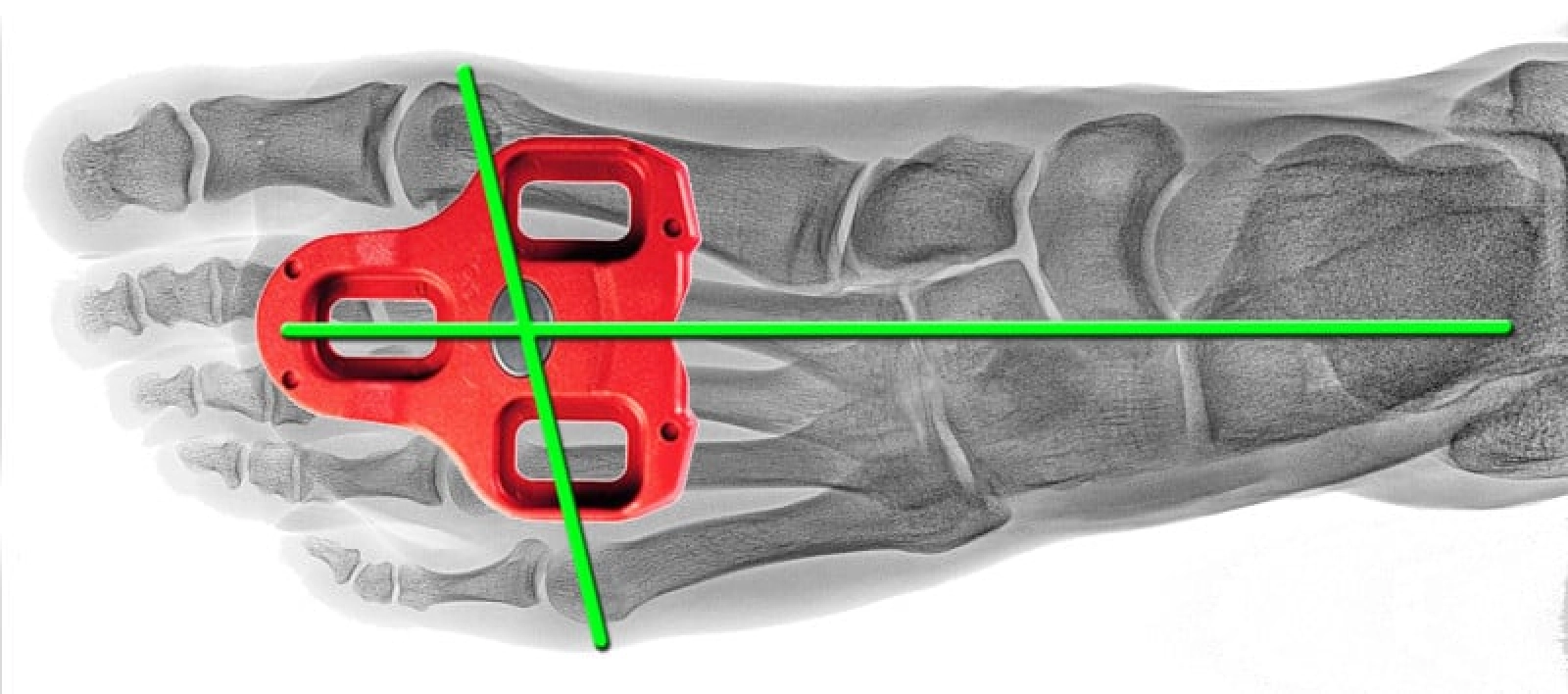
We remind you that the central part of the cleat, which is positioned immediately over the pedal axle and is usually marked on it, should generally be located over the metatarsal area. Ideally, it should be positioned between the first and last metatarsal to distribute pressure evenly among them. Similarly, the angle of the cleat should be as close to the natural angle of the foot as possible. At this point, the stiffness of the sole can also have an influence. An excessively rigid sole, like those made of carbon used in competition models, can be intolerable for cyclists with flat feet or excessive arches, so they should opt for more flexible models.
Appropriate Shoes
For years, cycling shoes, especially competition models, have had ridiculously narrow lasts. Fortunately, studies in biomechanics have evolved, making brands realize the absurdity of this, so today it is not difficult to find shoes on the market that provide ample space for the toes.
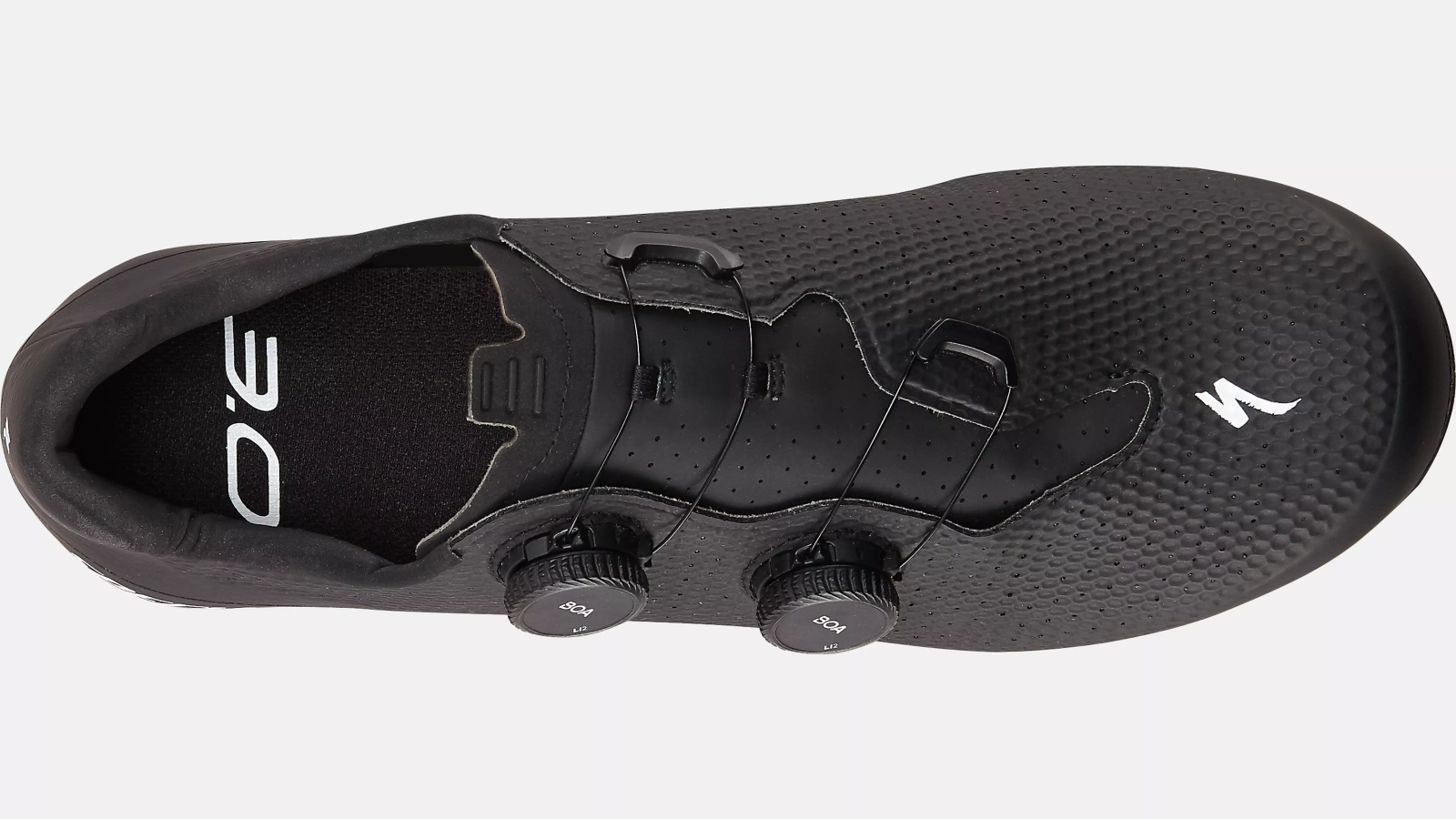
Excessively tight shoes can create excessive pressure on the foot, which can hinder blood flow responsible for thermoregulation, which, when riding in cold temperatures, can exacerbate the problem of cold feet. Practically, it is advisable to avoid tightening the boa as much as we normally would, leaving a little more room for the foot.
Choosing Socks
Textile technology applied to sports has also advanced significantly. Regarding the feet, brands now offer a wide selection of socks for all weather conditions, with synthetic fibers becoming stars for their ability to wick away sweat and keep the foot dry.
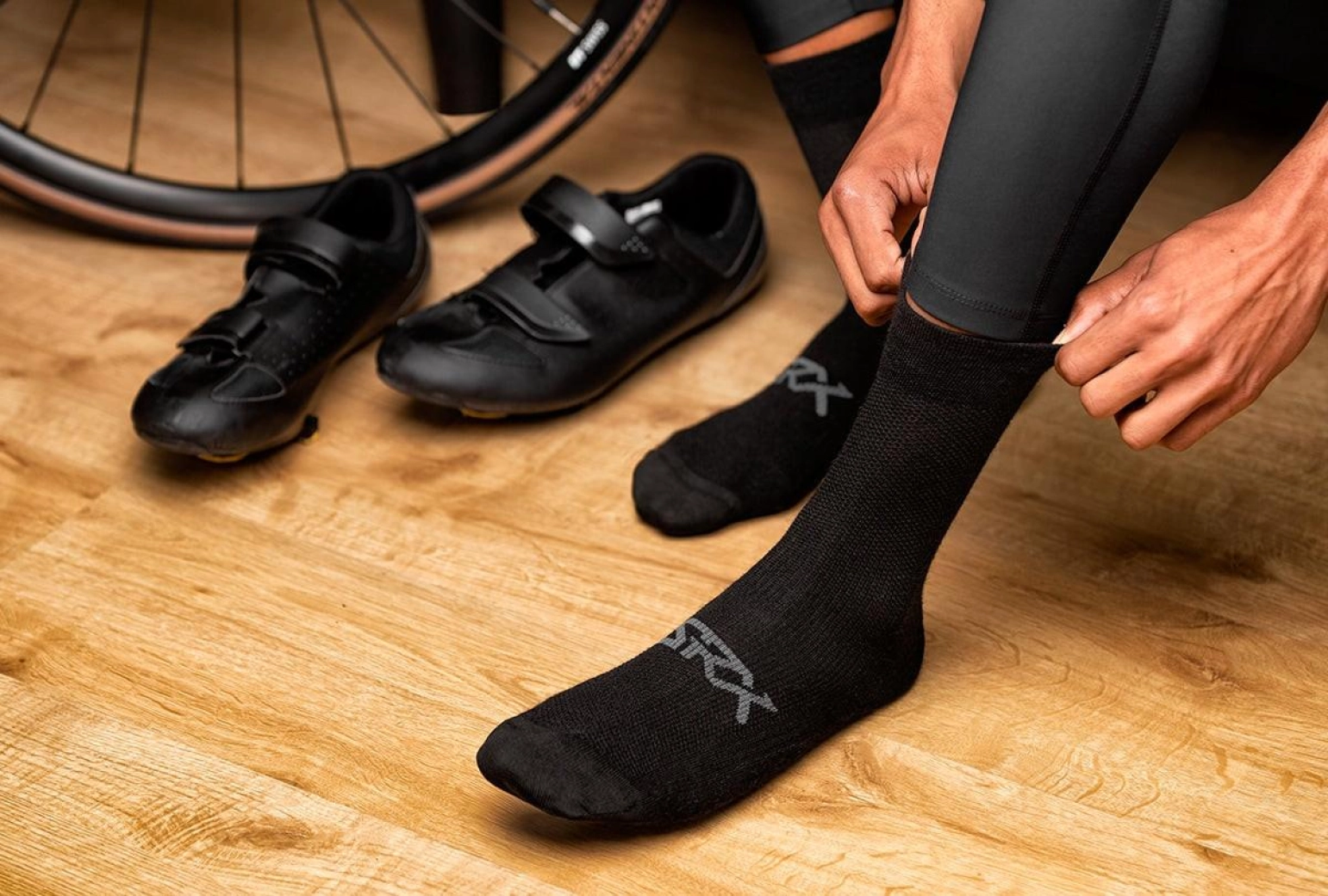
However, a natural fiber is making a strong comeback. This is merino wool, a fabric capable of retaining heat even when wet, whether from rain or perspiration, and can be a great ally in improving the comfort of our feet during winter rides. In any case, we will choose socks that do not excessively compress the foot to maximize blood flow, which is, after all, what keeps the foot warm.
Shoe Covers
Shoe covers have traditionally been the way to insulate shoes from the cold outside, allowing us to use the same shoe model throughout the year. They come in various types, from simple lycra ones that offer light protection to membrane types like WindStopper that prevent the cold winter wind from seeping into the shoe and stealing the little warmth from the feet. There are even models like the Ekoi Heat Concept that are heated for optimal comfort even in the most extreme temperatures.
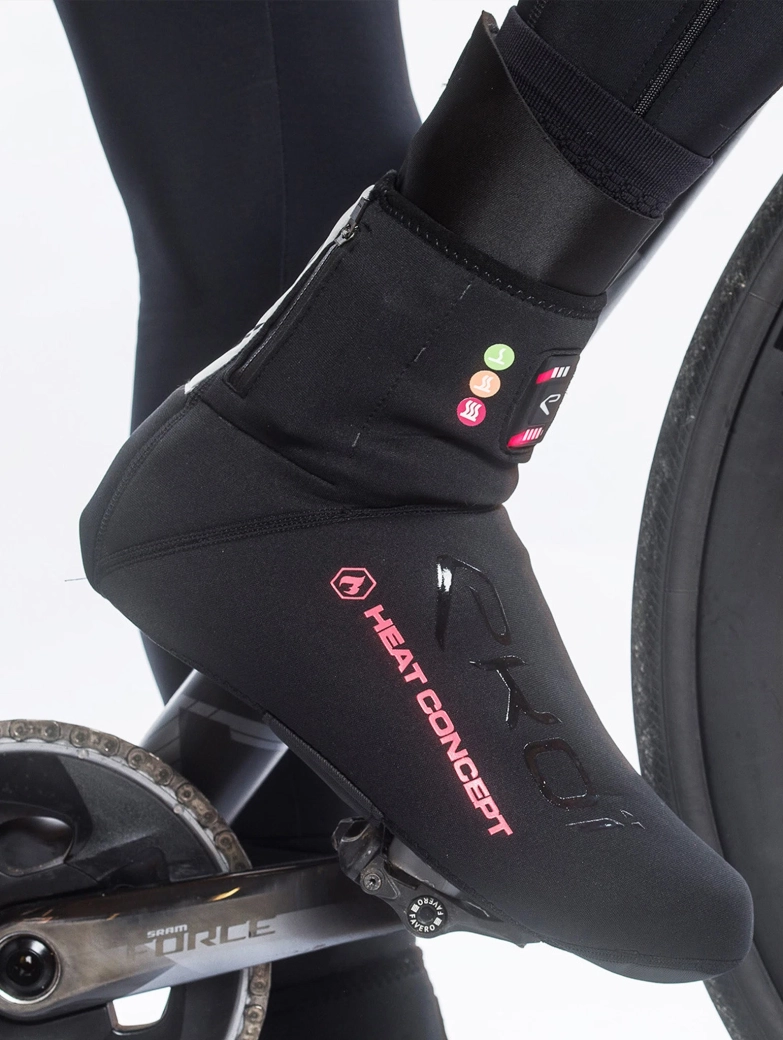
When using shoe covers, we must consider that they are not excessive for the prevailing temperatures. Sometimes, simple toe covers are more than sufficient. The problem with using shoe covers in not-so-cold temperatures is that they can generate excessive perspiration, more than the boot can evacuate, resulting in soaked feet from sweat, which translates to greater heat loss.
Specific Winter Shoes
While shoe covers are usually the most commonly used option during winter by most cyclists, for those who do mountain biking or gravel riding, they are often not the best alternative as they can quickly get damaged when walking. For them, or for those who suffer from intense cold for many months of the year, and also for the most sensitive to cold, the definitive solution is specific winter shoes offered by many brands in the industry.
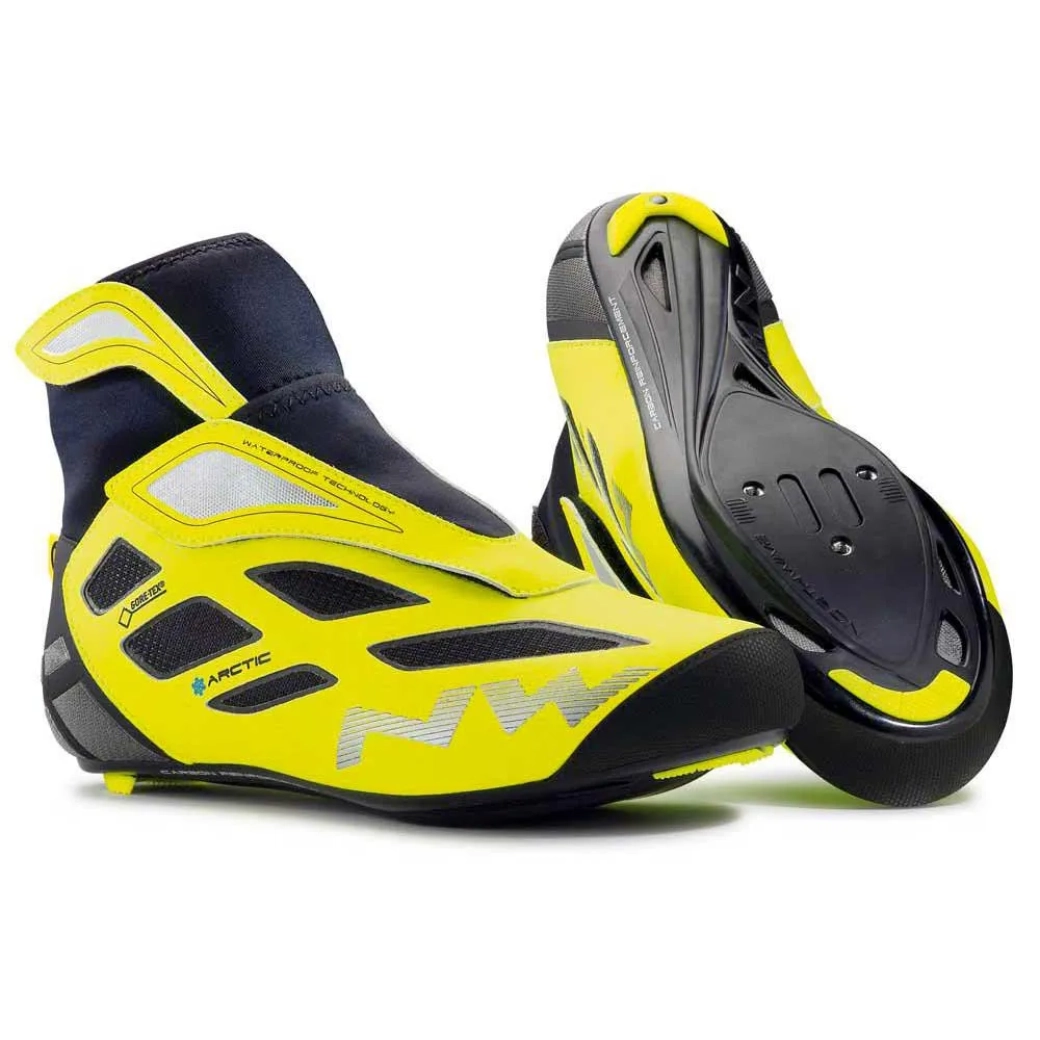
These are very closed models, with a boot that extends to fit around the ankle and, in most cases, with breathable and waterproof membranes, similar to mountain footwear that also adds protection against water. This provides the highest level of protection for the foot, to the point that it can even be excessive in not overly harsh climates.
También puede interesarte
Bike Equipment
When do helmets have to be changed? Do they have an expiration date?
Nutrition
What benefits does bicarbonate have for cyclists?
Training
Is a cyclist born or made? The eternal debate between talent and training
Training
Why do you prefer a certain type of training? What does that mean?
Road
Why does Pogacar attack while sitting?
Bike Equipment