This brand is new and has just introduced the safest cycling helmet known to date
The emergence of an unknown brand in the most competitive segment of cycling equipment is not usually accompanied by such a strong statement. But that is precisely what PIKIO LABS has achieved with its first road helmet, the Si, a model that not only enters the market but does so by setting a new benchmark in safety by achieving the highest known score in one of the most influential independent tests in the industry.
PIKIO bursts in with the safest helmet ever tested according to Virginia Tech
The PIKIO Si has achieved a score of 4.61 in the Virginia Tech helmet lab tests, a figure that places it as the best helmet evaluated to date across all cycling categories. This figure becomes even more relevant when compared to previous records that led this ranking, which were above 6.8. In this evaluation system, the lower the score, the greater the helmet's ability to reduce the risk of injury.
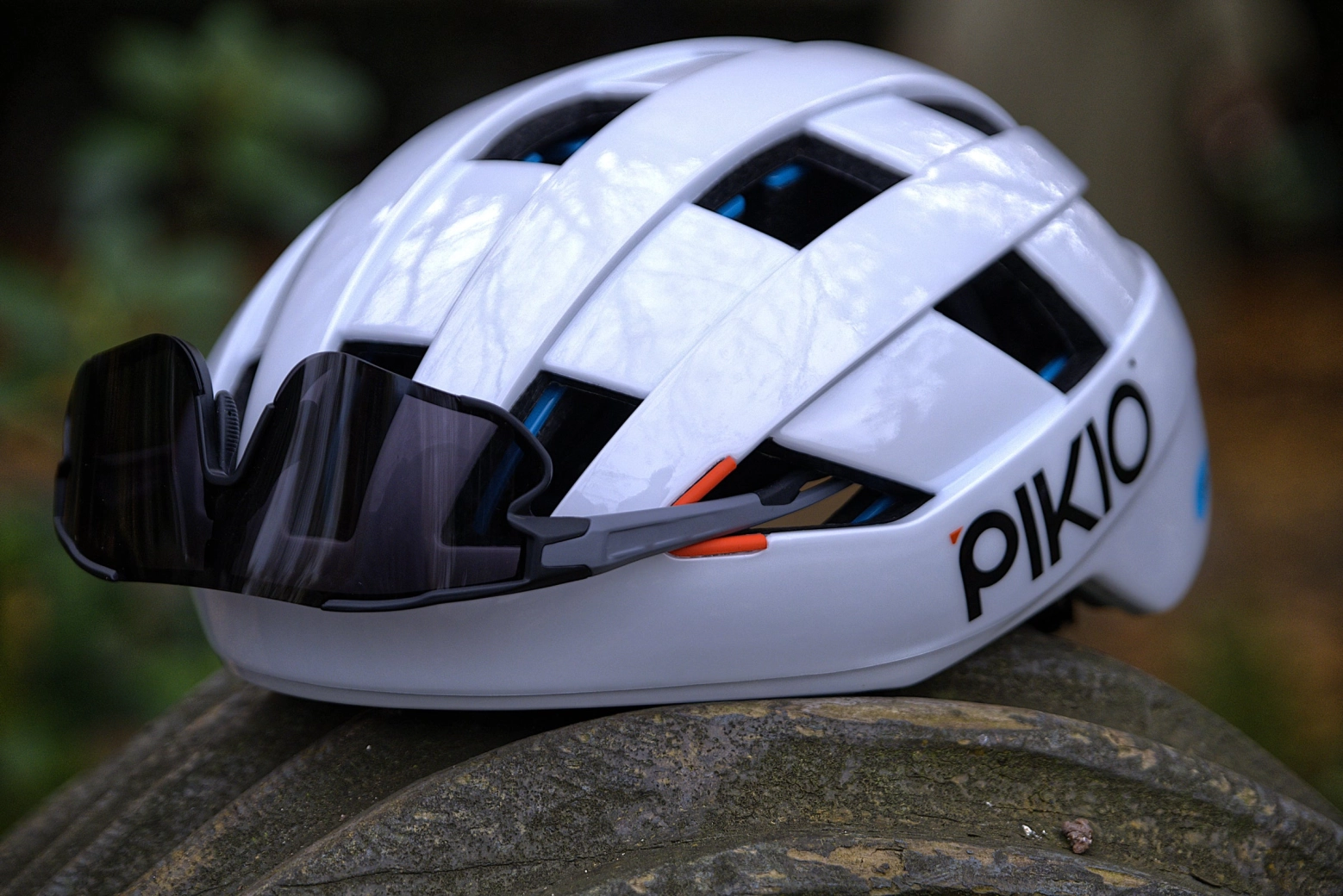
Beyond the result, the leap that this model proposes points to a change in approach to how modern helmets are designed. Unlike traditional constructions based on a single layer of foam or systems that seek to mitigate rotation through internal sliding surfaces, PIKIO presents a completely different architecture. Its OBLIK technology divides the interior of the helmet into independent modules connected by nodes capable of reacting specifically to each impact.
RECOMENDADO

The PSG admits that it has been approached to create a cycling team
Are bicycles really more expensive or does it just seem that way?
The 2026 MTB World Cup kicks off in a month: dates, venues, and key highlights of the schedule
Vingegaard seals the Volta in Barcelona and claims an undeniable victory
Van der Poel and Van Aert are left behind a kilometer, and Philipsen wins In Flanders Fields
Fake stickers and illegal bikes: How the UCI monitors equipment during competitions
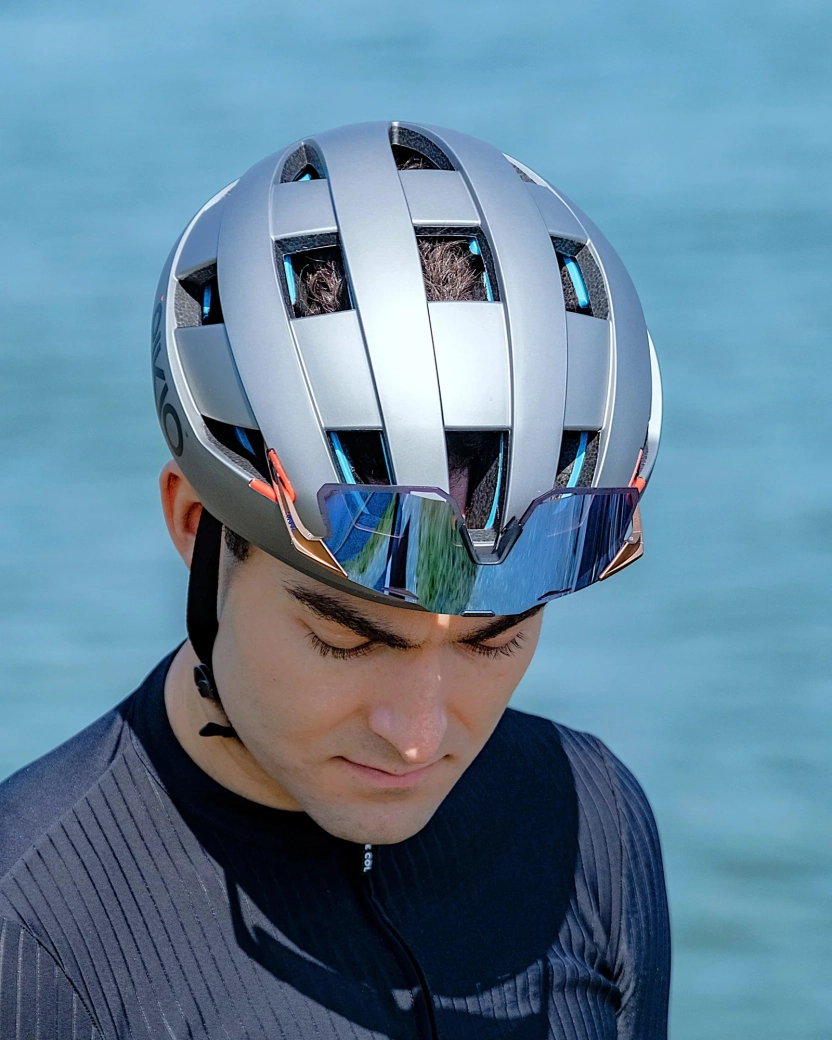
This approach allows different areas of the helmet to respond differently according to the intensity, direction, and point of contact, something particularly relevant considering that most real falls combine linear and rotational forces. As explained by its founder, Dr. Daniel Abram, conventional systems are limited by their own internal geometry, which reduces their adaptability in oblique impacts, precisely the most common in cycling.
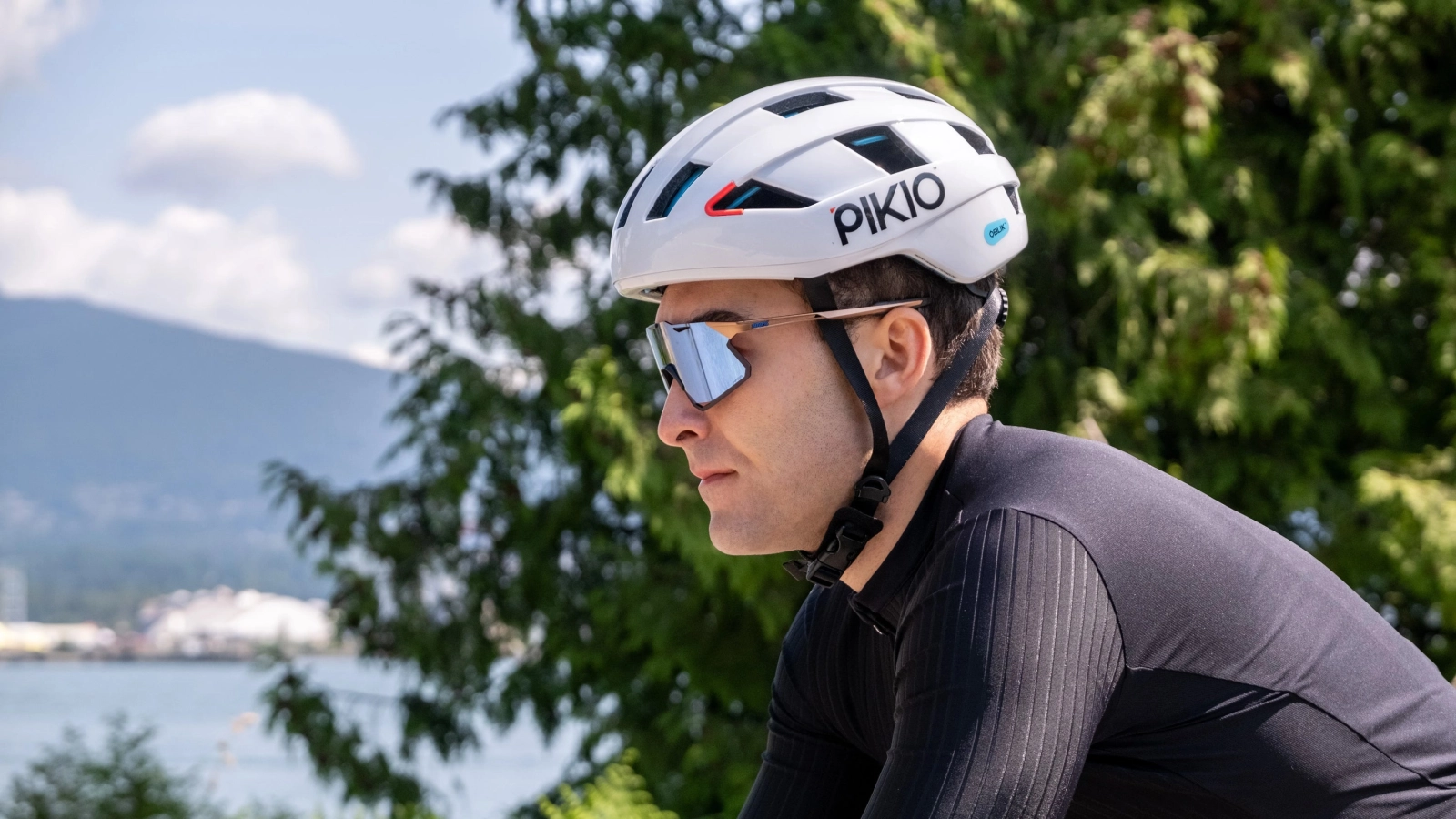
The development of OBLIK is based on years of research in impact mechanics, structural optimization, and biomimetics. In practice, this translates into an internal structure reminiscent of bone patterns, with cavities designed to improve energy absorption, along with dual-density foams that aim to cover both low and high-energy impacts. All of this is integrated into a modular set reinforced with polycarbonate layers to maintain rigidity without penalizing weight.
View this post on Instagram
Despite this structural complexity, the helmet remains within high-end weight figures, with a declared weight between 255 and 298 grams depending on the size. Additionally, it incorporates common elements in this segment such as optimized ventilation with multiple air intakes, aerodynamic performance validated in wind tunnel tests, and practical solutions like an integrated glasses holder.
The PIKIO Si complies with the US CPSC standard and will initially be sold in the United States and Canada at a price of $379.
Beyond the figures and specifications, its appearance opens a new scenario in helmet development. If the laboratory results translate to real-world use, the PIKIO model could mark the beginning of a transition towards more complex designs, capable of managing impact as a dynamic system rather than a passive structure.
También puede interesarte
Road
The PSG admits that it has been approached to create a cycling team
Road
Are bicycles really more expensive or does it just seem that way?
Mountain bike
The 2026 MTB World Cup kicks off in a month: dates, venues, and key highlights of the schedule
Road
Vingegaard seals the Volta in Barcelona and claims an undeniable victory
Road
Van der Poel and Van Aert are left behind a kilometer, and Philipsen wins In Flanders Fields
Road