This airbag for cyclists will arrive at the WorldTour in 2026
Exactly one year ago, at Brujulabike we analyzed the real possibility of seeing a cycling short with an integrated airbag as a safety measure in professional cycling. Back then, it was an advanced concept, with functional prototypes and many unknowns to resolve. Today, that idea has taken a decisive step towards reality and will be used in the WorldTour with professional teams already testing it this season.
The Aerobag airbag will be tested with several WorldTour teams in 2026
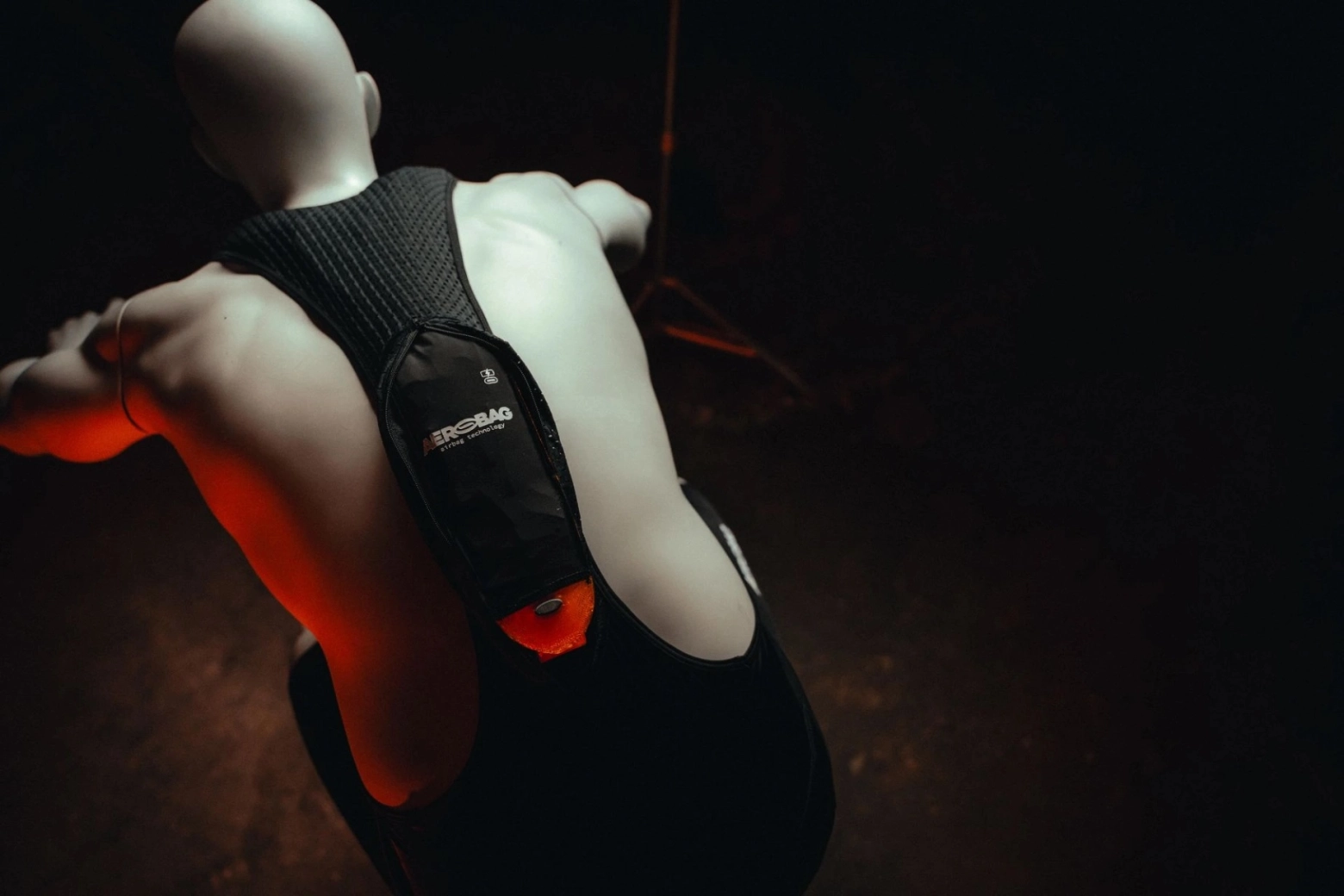
Aerobag is a wearable airbag designed for professional cyclists that does not radically alter the clothing or the biomechanics of pedaling. The system consists of TPU tubes integrated into sewn channels within a slightly modified short and a small bag located at the lower back, where the electronics and the replaceable CO? cartridge are housed.
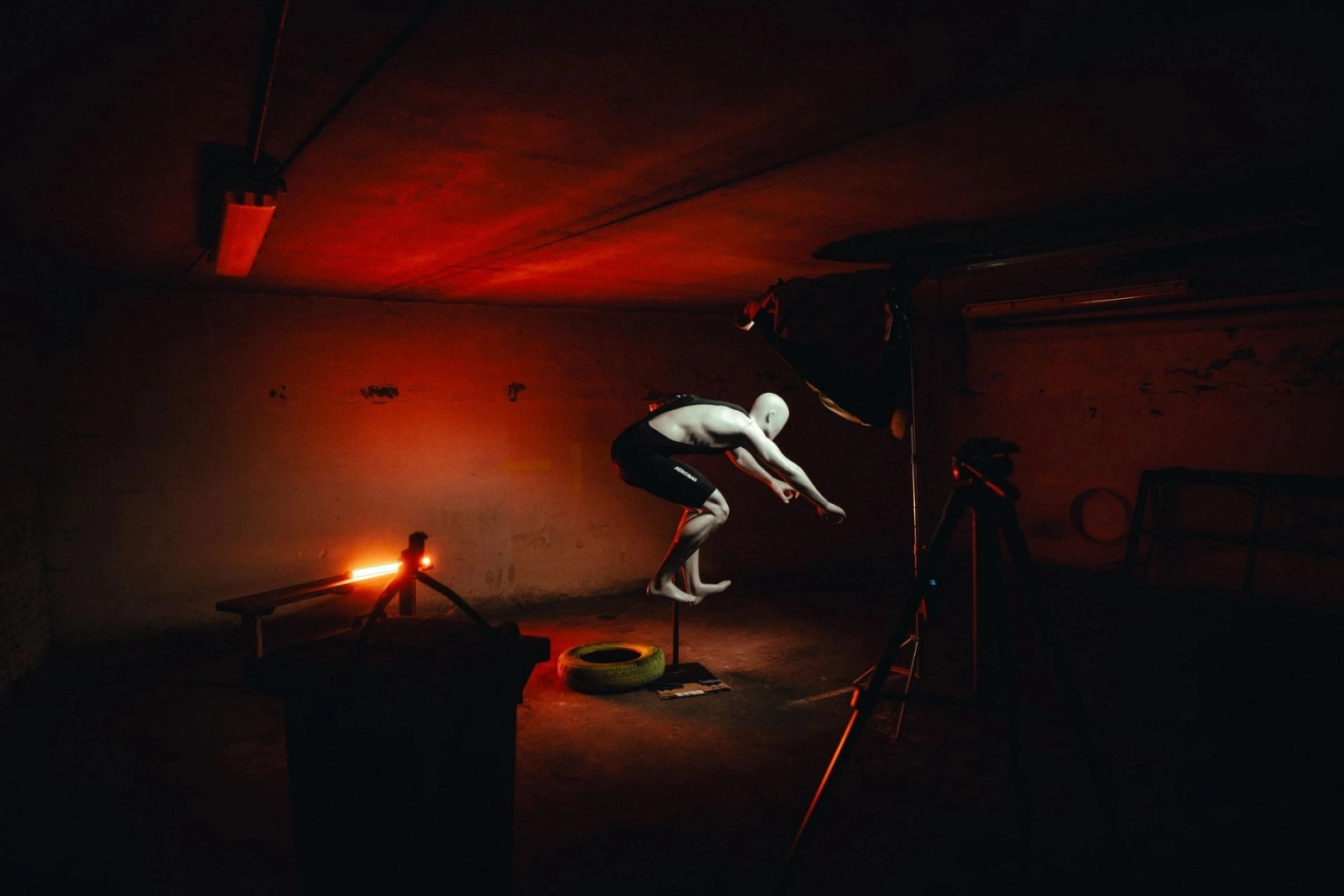
When the system is activated, the tubes inflate in milliseconds and provide protection against impacts in critical areas: hips, pelvis, ribs, trunk, torso, collarbones, and neck. Precisely the most vulnerable areas in high-speed falls.
RECOMENDADO

The calorie trap: eating less does not always mean losing weight

Why do most cyclists wear their glasses outside their helmets?

The UCI Snow Bike World Championships will be decided this weekend. Here we explain how to compete on snow
The helmet worn by Kate Courtney, Pauline Ferrand-Prévot or Vingegaard: this is the new Giro Eclipse Pro Aero helmet

5 oatmeal breakfasts: the perfect fuel for cyclists
What happens if you exceed your maximum heart rate? Risks of pushing yourself to the limit
Unlike other previous attempts, Aerobag does not seek to "armor" the cyclist, but rather to integrate real protection without changing the way of racing, which is key for its acceptance in the professional peloton.
The heart of the system is a set of electronic sensors and a fall detection algorithm. As Quinton van Loggerenberg, international development manager of Aerobag, explains to BikeRadar, the system combines XYZ sensors, inertia sensors, impact sensors, and magnetic references to establish a stable "zero" that allows distinguishing between normal movements and a real fall.
To ensure that the protection deploys exactly where it should, the clothing requires small modifications, such as elastic loops that keep the tubes in the correct position during inflation. It is a minimal adjustment, but essential to ensure the system's effectiveness.
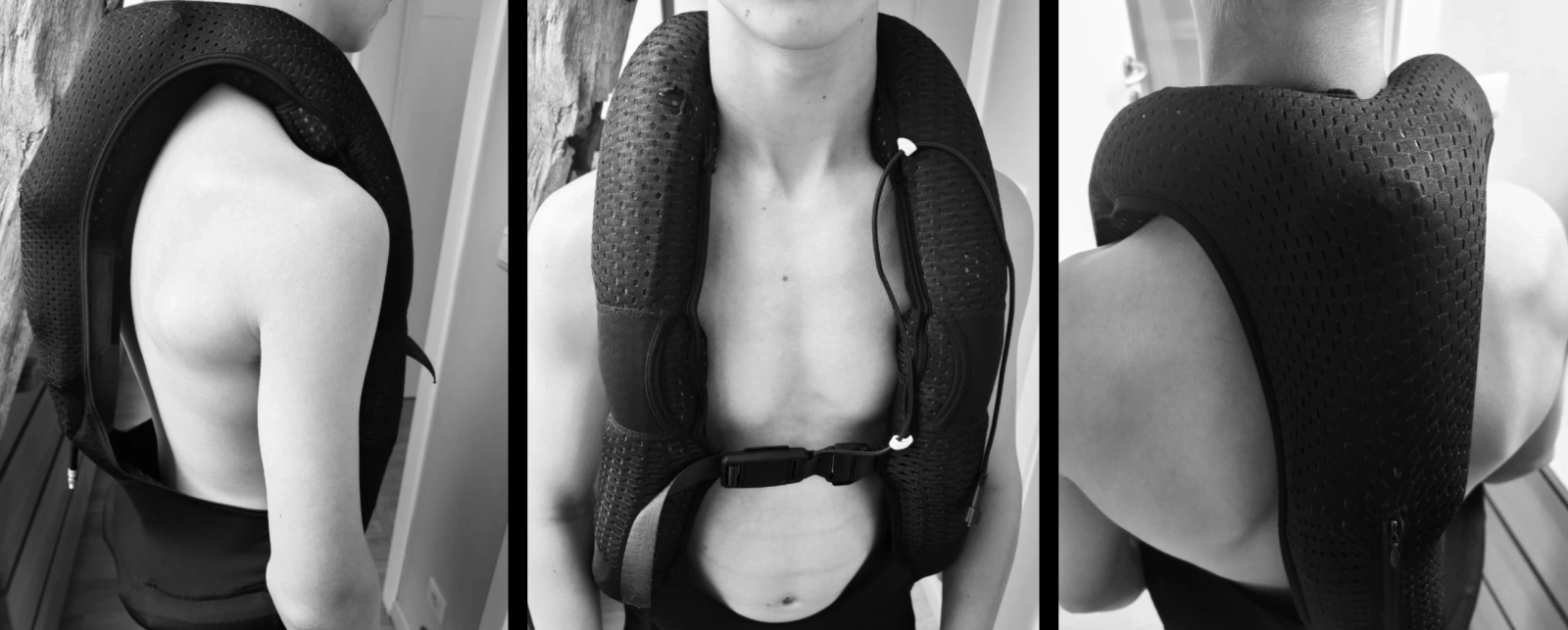
An important aspect is that Aerobag is marketed as an independent system, not as a closed garment: the cyclist can use different compatible shorts or jackets, as long as they are adapted to the system.
The World Tour team Picnic PostNL will use Aerobag during training this season, and its presence in competition is not ruled out once the regulatory processes are completed. Additionally, Aerobag confirms that another major WorldTour team will soon announce its adoption.
As for the price, nothing is defined yet, but it could be between 750 to 800 euros, with replaceable CO? cartridges costing around 35 euros. It is not cheap, but it is a very innovative system and a safety element that could be decisive.
On the regulatory front, Aerobag is already in talks with the UCI, which, according to the company itself, has been receptive. Furthermore, Belgian labor legislation reinforces this approach, as it recognizes the right of the worker, in this case, the professional cyclist, to use safety equipment if they so request.
También puede interesarte
Nutrition
The calorie trap: eating less does not always mean losing weight
Road
Why do most cyclists wear their glasses outside their helmets?
Mountain bike
The UCI Snow Bike World Championships will be decided this weekend. Here we explain how to compete on snow
Road
The helmet worn by Kate Courtney, Pauline Ferrand-Prévot or Vingegaard: this is the new Giro Eclipse Pro Aero helmet
Nutrition
5 oatmeal breakfasts: the perfect fuel for cyclists
Training