The UCI will implement GPS tracking during races: it's only a matter of time
The International Cycling Union (UCI) has taken a decisive step towards the progressive implementation of GPS tracking systems for all riders in competition. According to exclusive information from Domestique, the organization is already holding formal discussions with teams, organizers, and cyclists to define how this technology will be applied.
The UCI promotes mandatory GPS tracking of cyclists in races
The initiative comes directly from the UCI presidency, which has communicated, via letter, to the main actors of the professional peloton the need for real-time positioning for all riders. The goal is to reduce risks in critical situations and quickly detect a fallen cyclist off the course, improve race management, and act on incidents before they escalate. This is reminiscent of what happened with the death of young Swiss cyclist Muriel Furrer during the Zurich World Championship in 2024.
However, the UCI does not want to impose a specific technological solution. The approach is to establish a common technical framework and protocols in which each team or organizer can work with the provider of their choice. This approach is designed to avoid commercial friction and encourage adoption.
The road ahead is long. Right now, the UCI is gathering technical and operational proposals from all involved parties, with a deadline set for presenting solutions. After that, there will be an evaluation, and if feasible, the next step will follow.
RECOMENDADO

What do the colours of the rainbow jersey mean, and who was the first World Champion?

How much prize money does La Vuelta 2026 offer? Here’s what Enric Mas has earned and how it compares with the Tour and Giro

Sign up first, train later: why entering a race can change the way you train

From struggling to enjoying it: tips to build confidence on descents
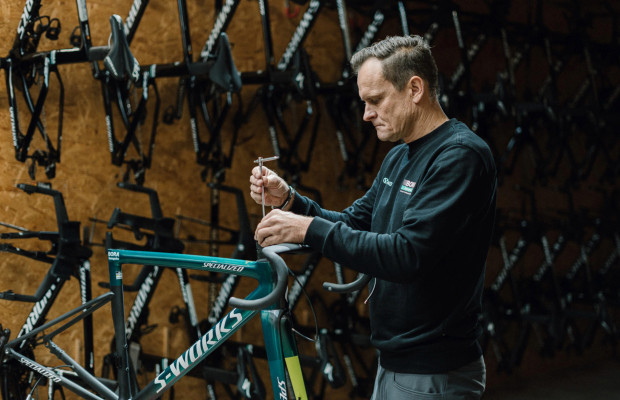
Are you properly positioned on your bike? These are the measurements you should check

The 2026 MTB World Championships get underway: dates, schedules and where to watch
But the underlying message seems clear: if there is no consensus, the organization does not rule out imposing the system mandatorily.
Technological tracking in cycling is not new, but it has not been easy either. Data control, commercial interests, and team autonomy have blocked its progress for years. The most recent and revealing episode was the women's Tour de Romandie, where a tracking test generated regulatory conflicts that ended in the expulsion of several teams. A reminder that the biggest challenge is not the technology itself, but its regulation.

While the UCI defines the model for the future, there are operational solutions in the international calendar. Platforms like Velon integrate real-time data and safety alerts in top-level events. The technology exists and works. What is lacking is standardization across the WorldTour and coordination among all parties.
If consolidated, mandatory GPS will not only be an improvement in safety but will also change how a race is monitored and managed from within. Cycling is now entering a crucial phase of debate, where it will be decided to what extent technology becomes part of the control of the peloton.
También puede interesarte
Road
What do the colours of the rainbow jersey mean, and who was the first World Champion?
Road
How much prize money does La Vuelta 2026 offer? Here’s what Enric Mas has earned and how it compares with the Tour and Giro
Training
Sign up first, train later: why entering a race can change the way you train
Road
From struggling to enjoying it: tips to build confidence on descents
Road
Are you properly positioned on your bike? These are the measurements you should check
Mountain bike
