The UCI focuses on extreme thinness and does not relent on doping with new reanalyses
A few days ago, during the annual seminar that brings together representatives from all the stakeholders involved in the World Tour, both men's and women's, the president of the UCI, David Lappartient, reviewed everything that happened during the 2025 season in the world of road cycling, while also making some remarks regarding some of the most contentious issues of the last season.
David Lappartient reviews the 2025 season at the UCI annual seminar
Several topics focused David Lappartient's reflections during the recently held UCI seminar in Geneva, which every year gathers all the parties involved in the World Tour to take stock and discuss the main issues that cycling must face.
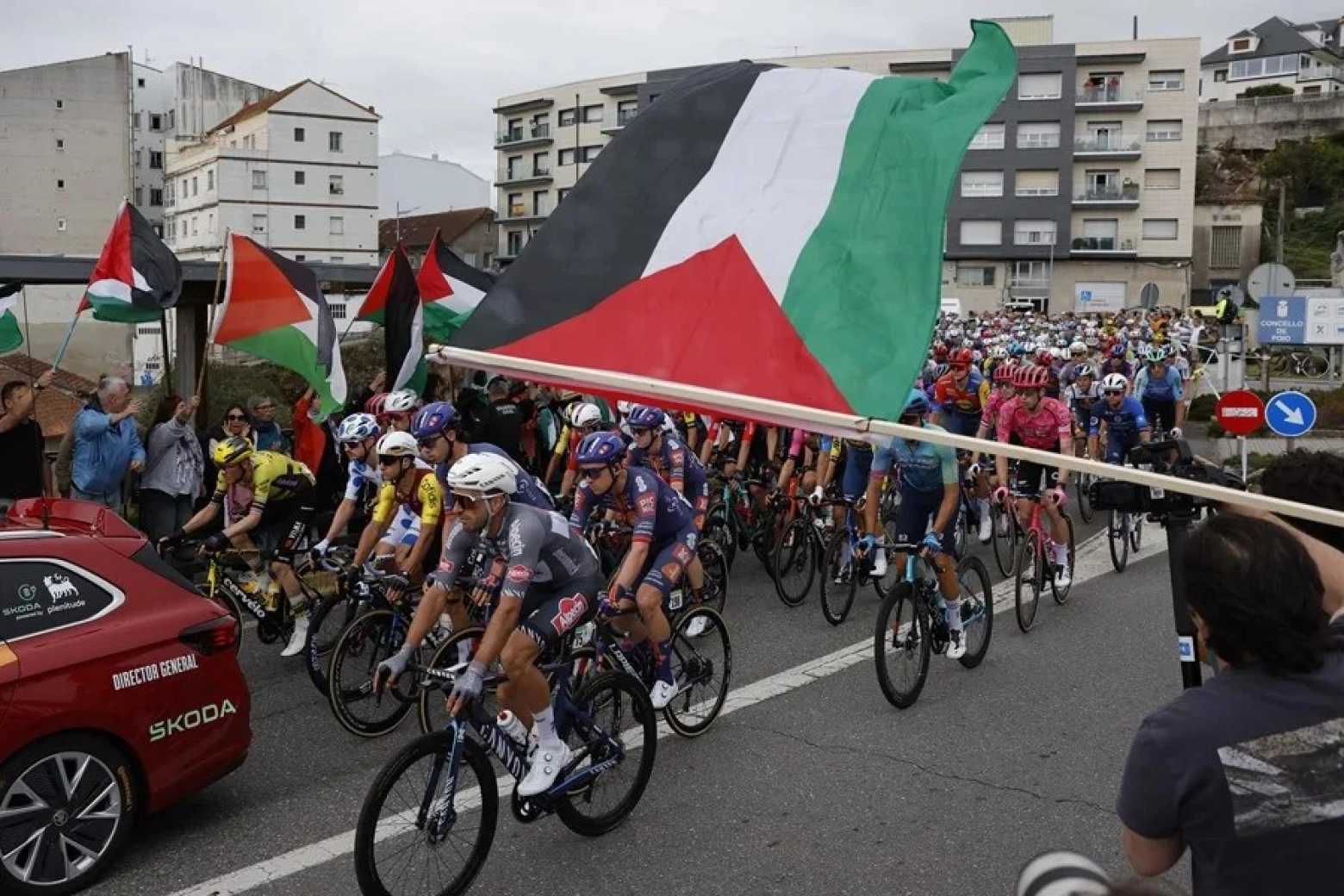
In addition to aspects such as climate change and technological advancements, which are common at these events, a new topic emerged that marked the end of the season: geopolitics, due to the protests against the invasion of Palestine that occurred during the Vuelta a España. David Lappartient insisted that the UCI will continue to remain politically neutral.
RECOMENDADO
Cobblestones, mud, and legend. Why cycling never abandoned the cobblestones
Boost your watts, boost your level: that's how you improve your FTP
What are the five monuments of cycling?
The most reliable method for determining how many calories you burn while cycling

The highest-paid cyclists in the world in 2026: Pogacar continues to lead the ranking.

SCOTT Spark RC 2026 Range: updated models, prices, and weights

Of course, the often-discussed topic of cyclist safety was also on the table, regarding which Lappartient stated that "a lot of progress has been made. Yellow cards have been introduced, barriers have evolved, standards have changed, obstacles are better protected, and we communicate more." However, he also mentioned the reluctance that the UCI has encountered in some aspects, such as GPS tracker tests, which were rejected by several teams in the test that was to be conducted during the Women's Tour de Romandie; or the strong opposition from SRAM to the development limitation tests that the UCI intended to conduct at the end of the season.
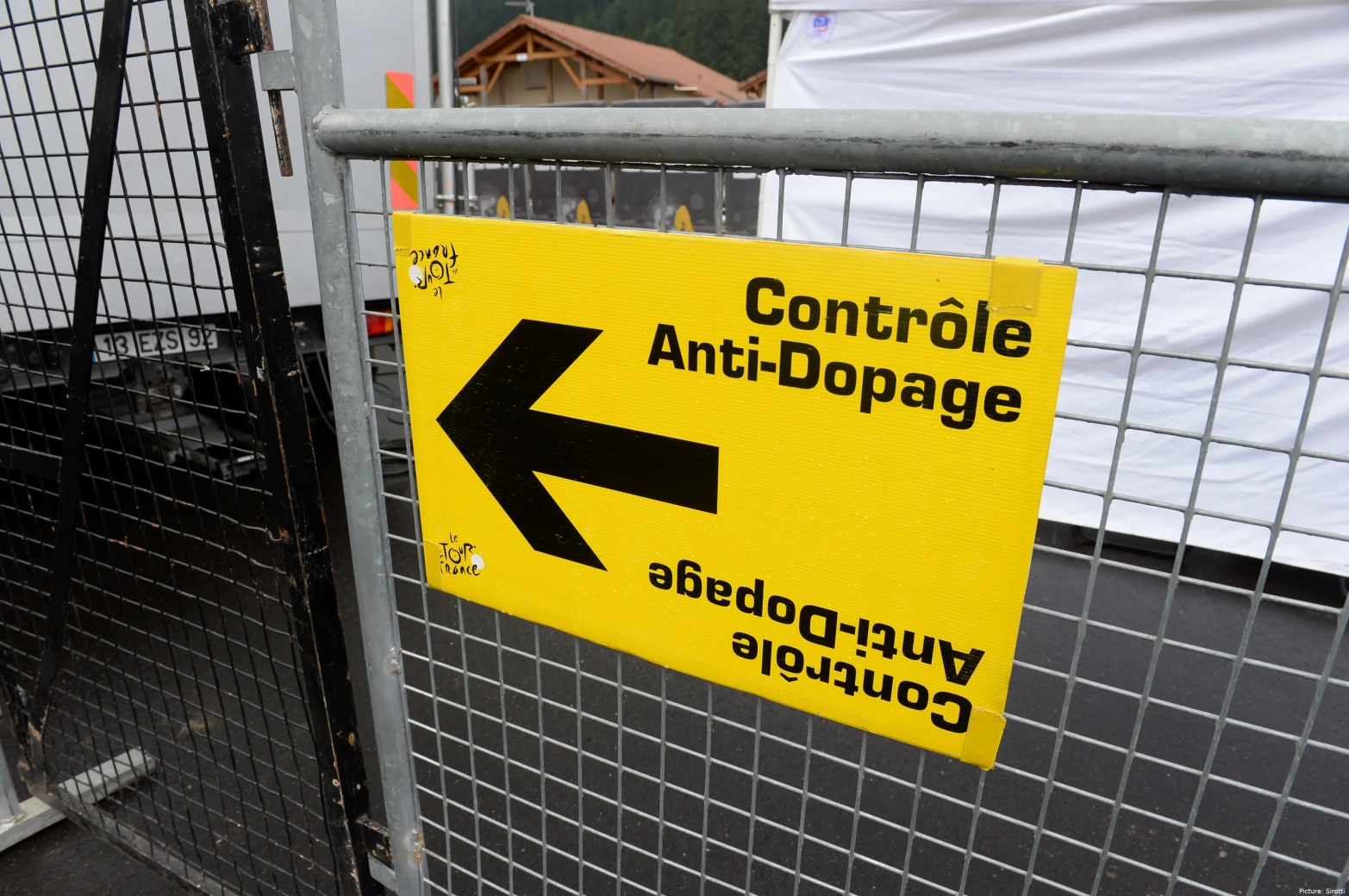
The health of cyclists is also another recurring topic at this event, and beyond doping, of which David Lappartient pointed out that efforts had been doubled with the reanalysis of 300 samples, a fight he committed to continue promoting; he also highlighted the growing trend of cyclists pushing their weight to excessive limits, a topic that was widely discussed during the Women's Tour de France due to the extreme thinness exhibited by Pauline Ferrand-Prévot.
In any case, the final assessment made by the president of the UCI was clearly positive, highlighting the increasing popularity of the sport in general and cycling in particular, which has resulted in teams being able to increase their budgets, something that impacts the salaries of the cyclists. All this despite the disappearance of two World Tour teams at the conclusion of the season - Arkea and the merger between Intermarché and Lotto - something that Lappartient limits to explaining because "the economy of the teams remains complex."
También puede interesarte
Road
Cobblestones, mud, and legend. Why cycling never abandoned the cobblestones
Training
Boost your watts, boost your level: that's how you improve your FTP
Road
What are the five monuments of cycling?
Nutrition
The most reliable method for determining how many calories you burn while cycling
Road
The highest-paid cyclists in the world in 2026: Pogacar continues to lead the ranking.
Mountain bike