"The medicalization of cycling puts the health of riders at risk": they urge the UCI to act against the gray areas of modern cycling
The change in the presidency of the Movement for Credible Cycling, to which 6 of the 18 World Tour teams are affiliated, has brought renewed energy. Emily Brammeier, also the head of communications for Picnic-PostNL, begins her term with a statement calling for clarity from the UCI regarding the medical activities of the teams.
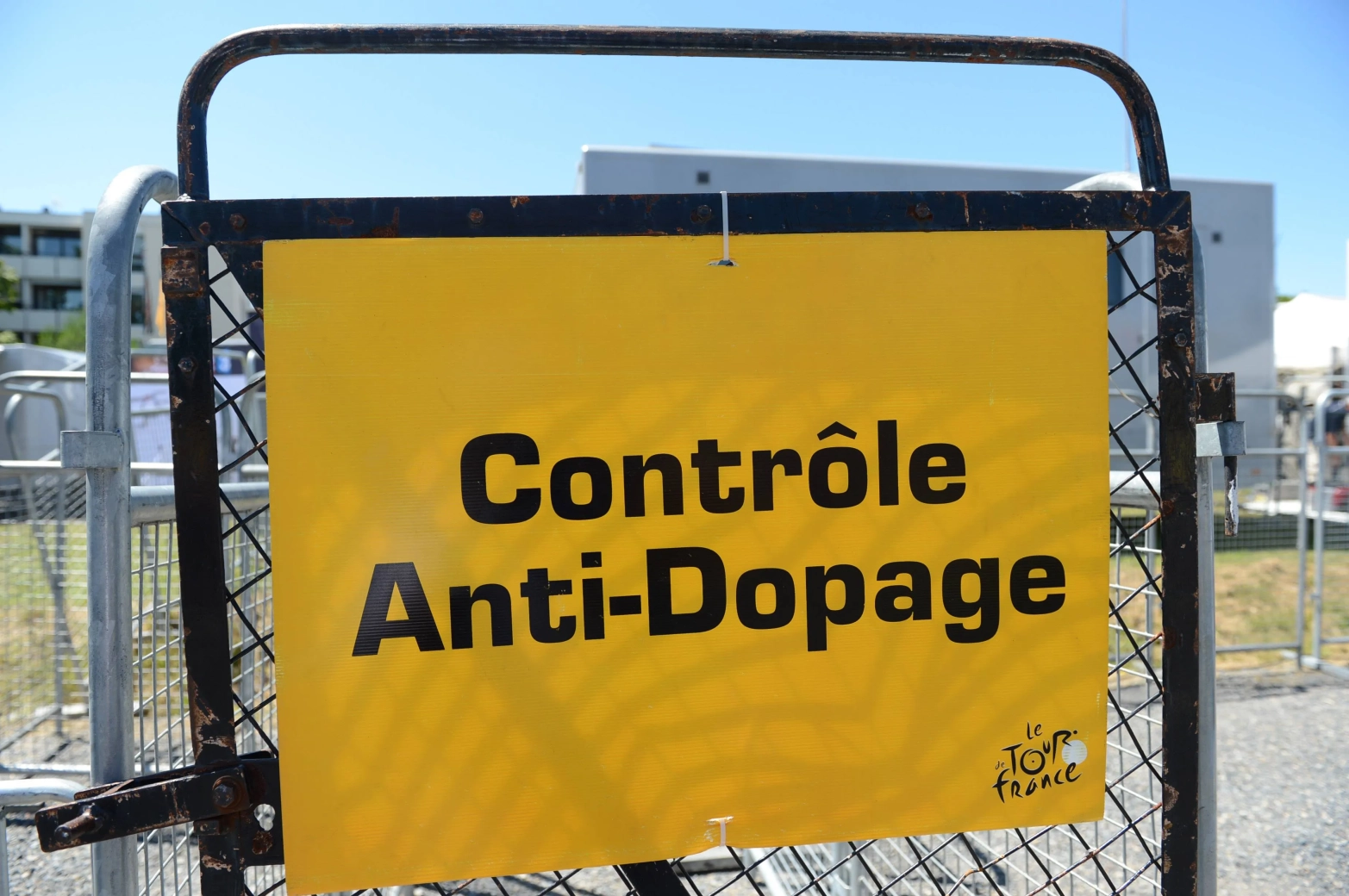
The MPCC urges the UCI to take a strong stance on certain medications
In its fight against doping beyond the rules set by the UCI or WADA, the Movement for Credible Cycling, which includes some of the World Tour teams committed to absolute integrity and total rejection of any doping activity or suspicion thereof, continues its crusade through a new statement directed at the UCI.

RECOMENDADO

Why does Pogacar attack while sitting?

Cycling shorts vs underwear: ultimate guide to not ruining your outings
What are the five monuments of cycling?
How much time would a professional cyclist take out on an amateur in a race?

The calorie trap: eating less does not always mean losing weight

Why do most cyclists wear their glasses outside their helmets?
In the message that the MPCC has conveyed to the highest cycling body, it calls for the establishment of firm and clear rules to reduce the growing medicalization of cycling, which, in cases like the famous Ketones, against which the MPCC maintains a total rejection, teams have not hesitated to use with their cyclists despite the lack of sufficient studies explaining whether they could have medium or long-term side effects.
According to the MPCC's statement, there are many substances that exist in a gray area, just as happened with Tramadol until its use was ultimately banned, and which is now being replaced by Tapentadol, a painkiller 10 times more potent than it.

They also mention in the statement the so-called "Finishing bottle" that many cyclists consume in the final part of the stages and which, according to rumors, would be composed of a mixture of different substances.
That is why they demand a completely clear statement from the UCI regarding all these substances and medical methods that teams are employing, and not half-measures as in the case of Ketones, where the UCI only stated that it does not recommend their use.
También puede interesarte
Road
Why does Pogacar attack while sitting?
Bike Equipment
Cycling shorts vs underwear: ultimate guide to not ruining your outings
Road
What are the five monuments of cycling?
Training
How much time would a professional cyclist take out on an amateur in a race?
Nutrition
The calorie trap: eating less does not always mean losing weight
Road