The economic situation of the World Tour: Van Aert calls for rethinking the model before it's too late
It is not common for a cyclist to be interviewed by a media outlet specialized in economics, as happened with Wout van Aert, who did so for the Belgian newspaper De Tijd, where he left interesting notes on the concept with which cycling has historically operated, where income comes almost exclusively from the contributions of sponsors.
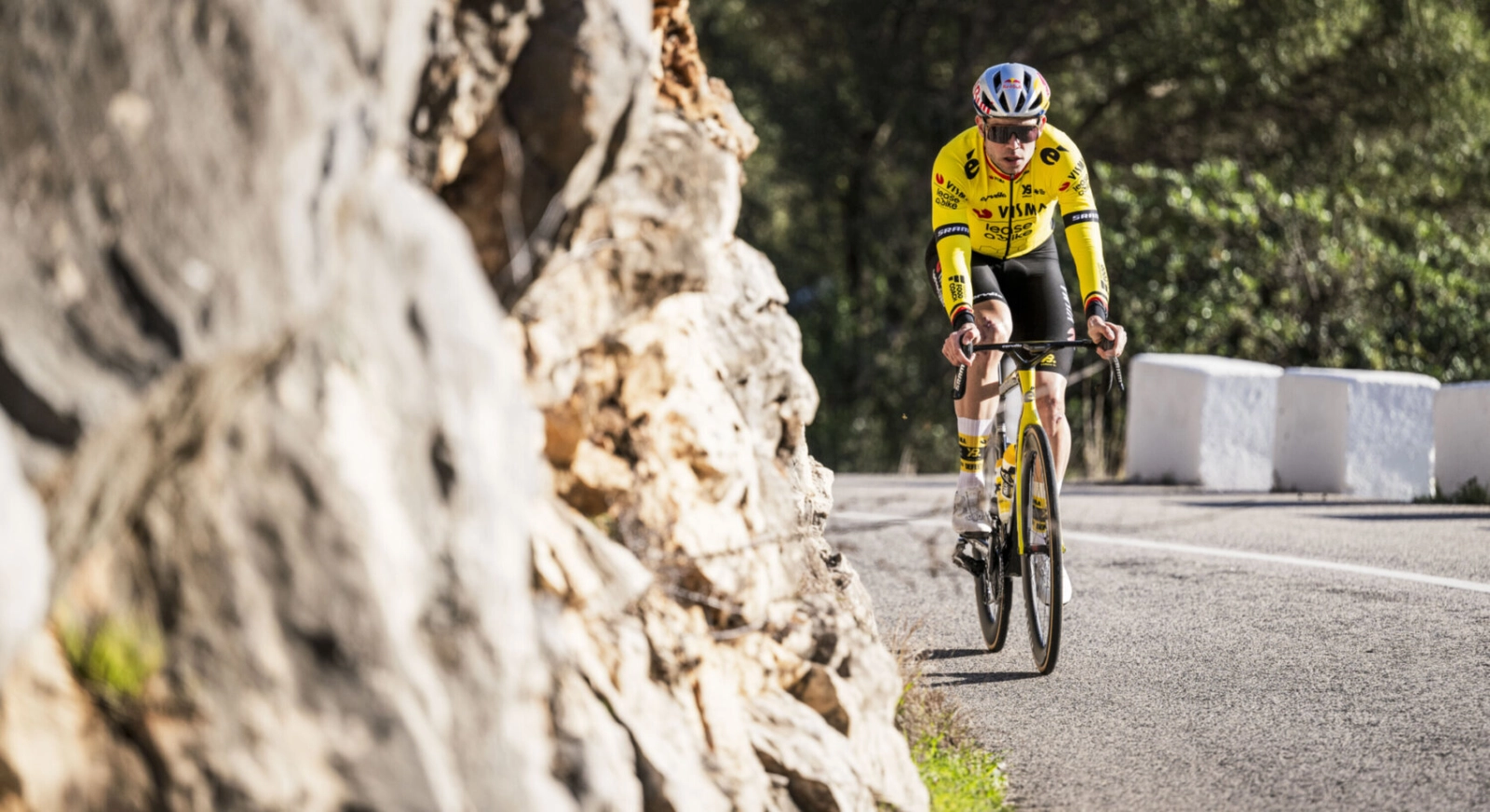
Wout van Aert concerned about the economic situation of cycling
There have been various voices pointing out the dependence that cycling has on sponsors as practically the only source of income for teams, and that the escalating budgets that the sport is experiencing do not seem sustainable for much longer under this economic concept. This sentiment has been expressed by Wout van Aert in the pages of the Belgian daily De Tijd, to which he granted an interview.
In cycling, television rights do not benefit the teams; only the sponsors do, and spectators are not charged, an idea proposed a few days ago by former professional cyclist Jerome Pinau, which led to a furious reaction that even forced the Tour de France to speak out against such a measure.
RECOMENDADO
Cobblestones, mud, and legend. Why cycling never abandoned the cobblestones
Boost your watts, boost your level: that's how you improve your FTP
What are the five monuments of cycling?
The most reliable method for determining how many calories you burn while cycling
The highest-paid cyclists in the world in 2026: Pogacar continues to lead the ranking.
SCOTT Spark RC 2026 Range: updated models, prices, and weights
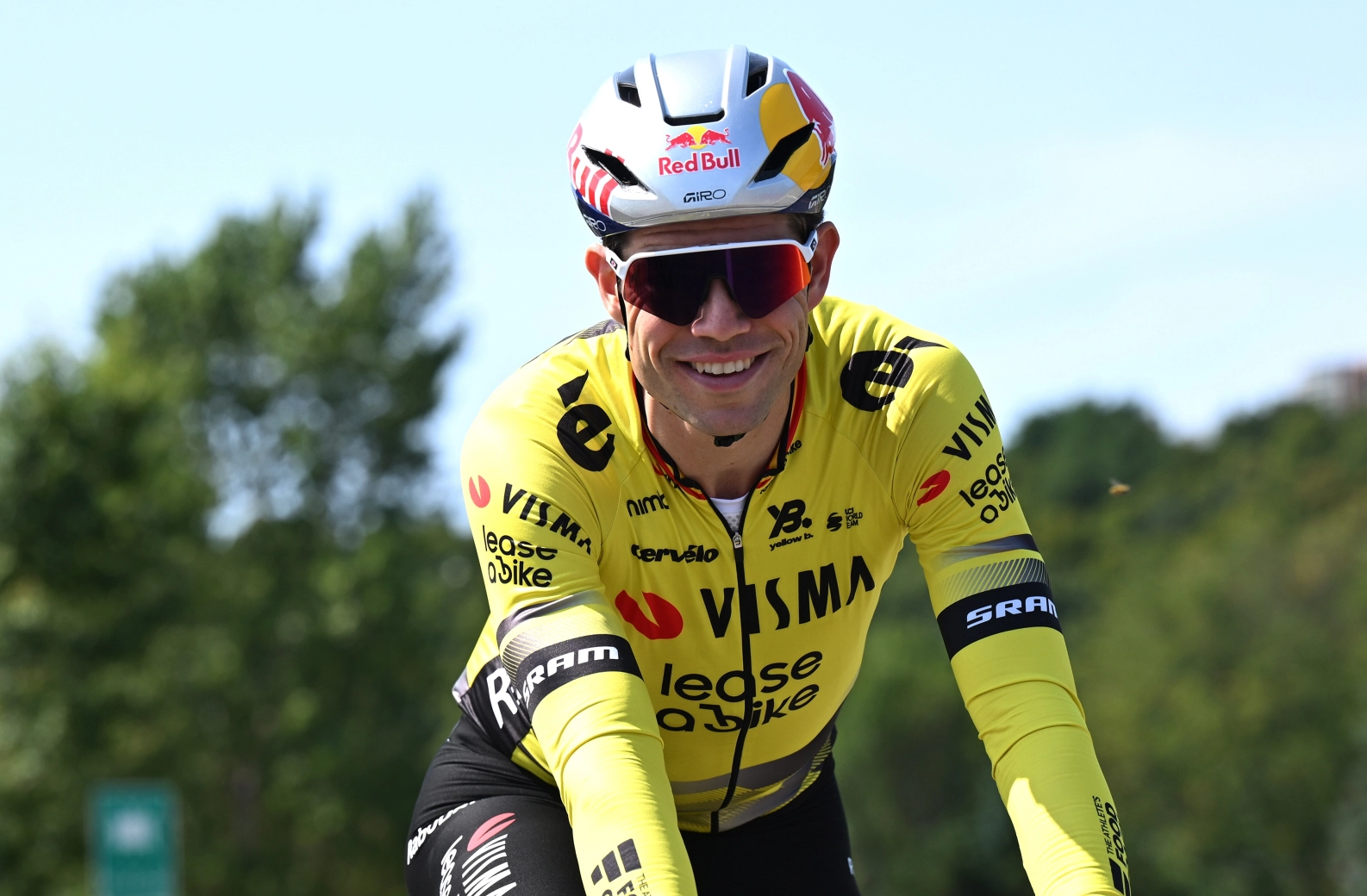
And not only the teams, the stars of this spectacle, the cyclists, barely see their participation in races compensated, unlike what happens, for example, in cyclocross, where entry fees are charged to access the circuits. However, organizers in road cycling do not compensate top-level cyclists for their participation, except in a way that the athlete depends on the salary agreed upon with their team and the personal sponsors they may have, in a funding model that has remained the same since the dawn of professional cycling.
This way of thinking expressed by Wout van Aert fully coincides with his director at Visma-Lease a Bike, Richard Plugge, who is one of the main promoters of the One Cycling super league, which aims to diversify the income that often only benefits the race organizers.
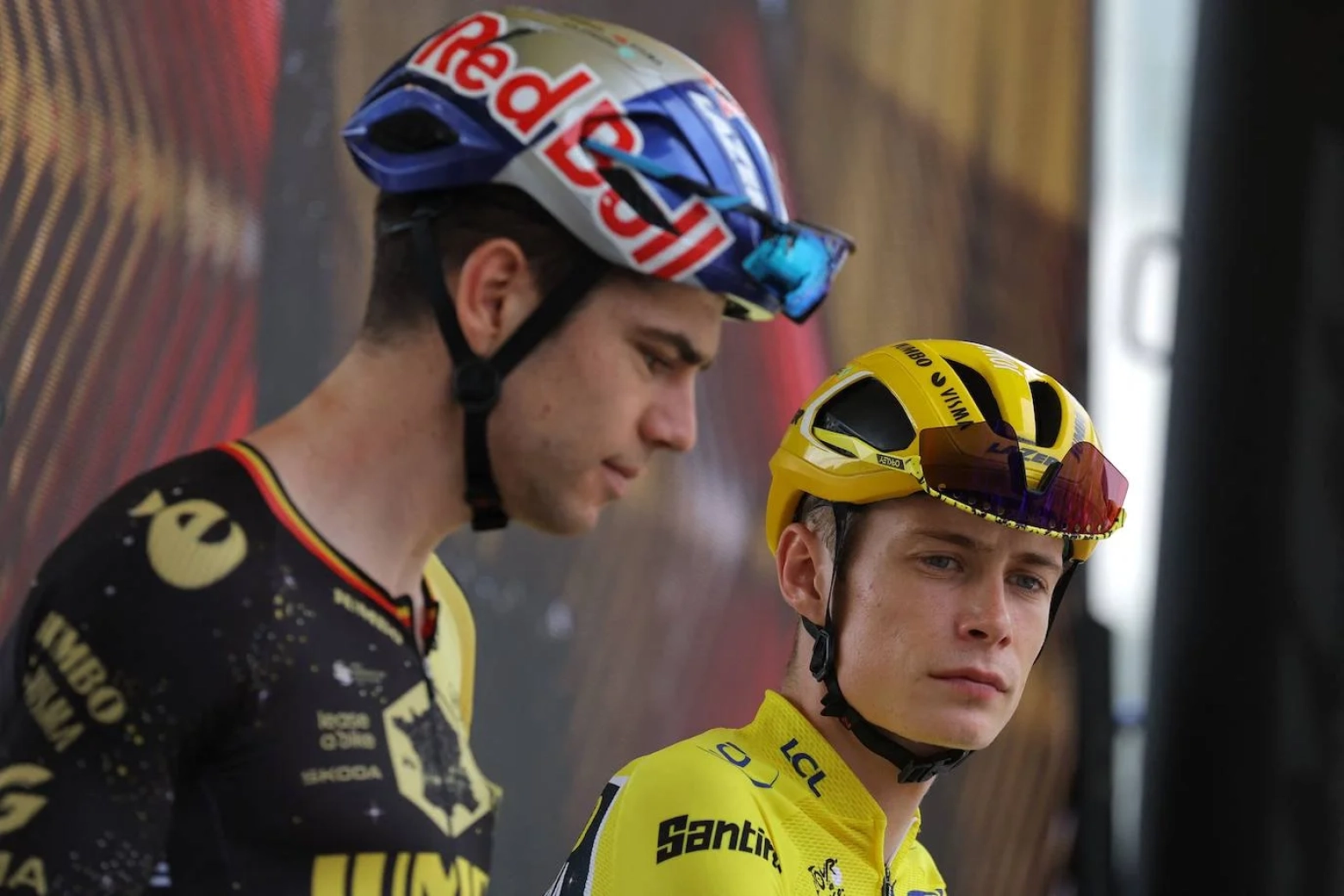
In the interview, Wout van Aert also spoke about his own finances, in which he has investments in the Flemish real estate company Heylen Vastgoed, which, according to the Belgian, helped him find a team in the past; or a curious investment in a company dedicated to making luxury candles. “It would be crazy not to think about the next generation that is already at home (referring to his two children). I want to manage it properly. And little by little, the interest has grown, and I am trying to closely follow several markets,” Wout explained when asked about his business side.
As a curiosity, he also talked about his personal contract with Red Bull and that, despite the obligations with the energy drink brand, he still manages his social media entirely to “remain authentic. I don’t want it to seem like I’m promoting Red Bull or Heylen Vastgoed all day.”
También puede interesarte
Road
Cobblestones, mud, and legend. Why cycling never abandoned the cobblestones
Training
Boost your watts, boost your level: that's how you improve your FTP
Road
What are the five monuments of cycling?
Nutrition
The most reliable method for determining how many calories you burn while cycling
Road
The highest-paid cyclists in the world in 2026: Pogacar continues to lead the ranking.
Mountain bike