Super EPO: why the discussion about doping with marine worms is resurfacing
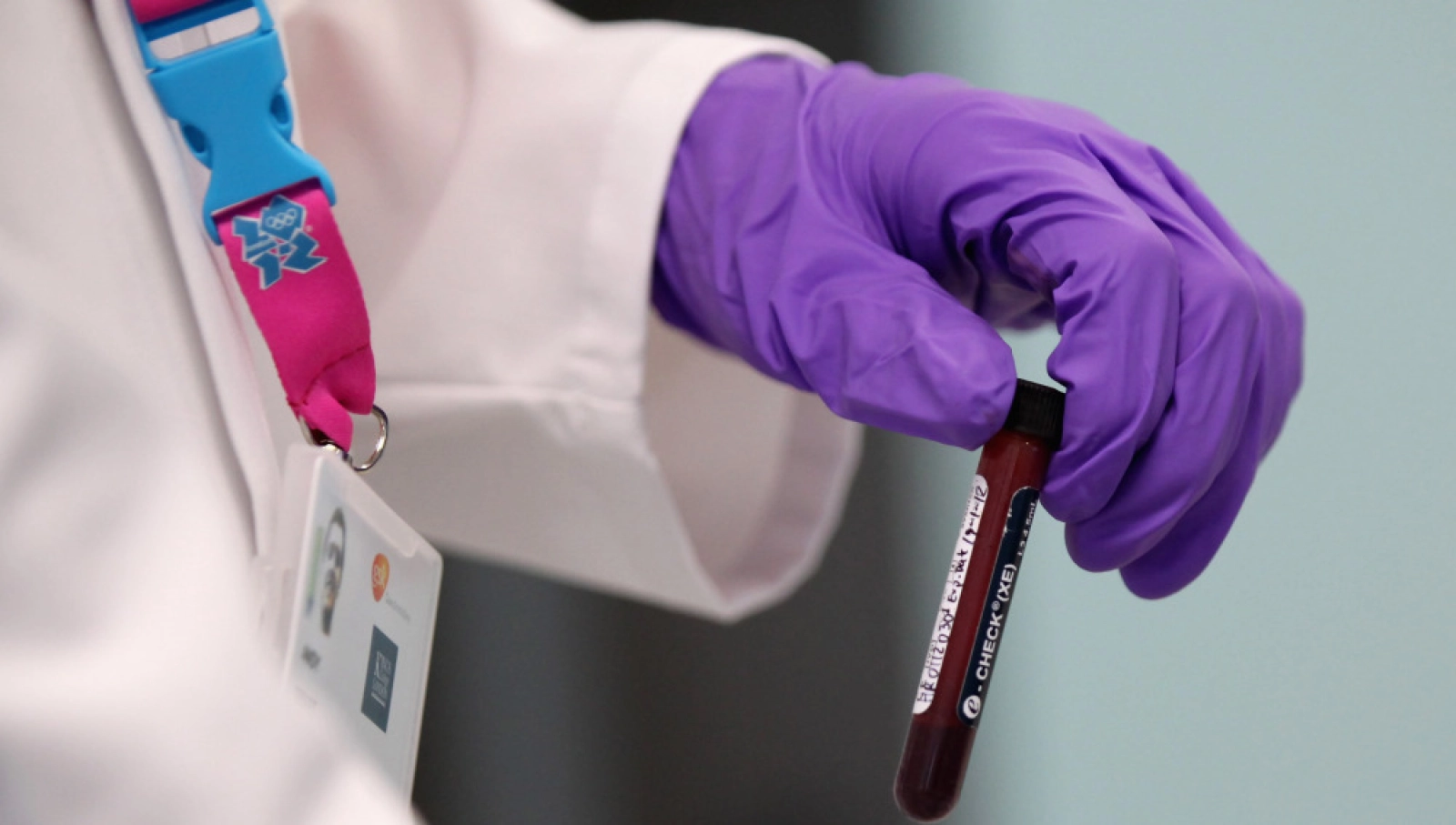
Three years ago, alarms were raised about the possibility of using marine sandworm hemoglobin as a doping substance. Now, the Italian newspaper Il Corriere de la Sera claims that Belarusian and Chinese laboratories have developed M101, a substance that would increase the blood's capacity to transport oxygen.
Sandworm hemoglobin could already be used as a doping agent
Since the properties of sandworm hemoglobin were discovered a few years ago, capable of storing up to 156 molecules of oxygen compared to the 4 that each human hemoglobin molecule can transport, laboratories in Belarus and China have been working to develop the substance M101, which is currently authorized for use in the preservation of organs intended for transplantation.
However, the fact that M101 has the nickname Lance A, clearly referencing the American ex-cyclist, is a clear indication that the black market for this substance may already be moving and could be used for more than just organ preservation.
RECOMENDADO

Cobblestones, mud, and legend. Why cycling never abandoned the cobblestones

Boost your watts, boost your level: that's how you improve your FTP
What are the five monuments of cycling?
The most reliable method for determining how many calories you burn while cycling

The highest-paid cyclists in the world in 2026: Pogacar continues to lead the ranking.

SCOTT Spark RC 2026 Range: updated models, prices, and weights
In various experiments with hamsters injected with M101, it has been observed that their endurance and power significantly increased because their blood's capacity to transport oxygen multiplied by 10.
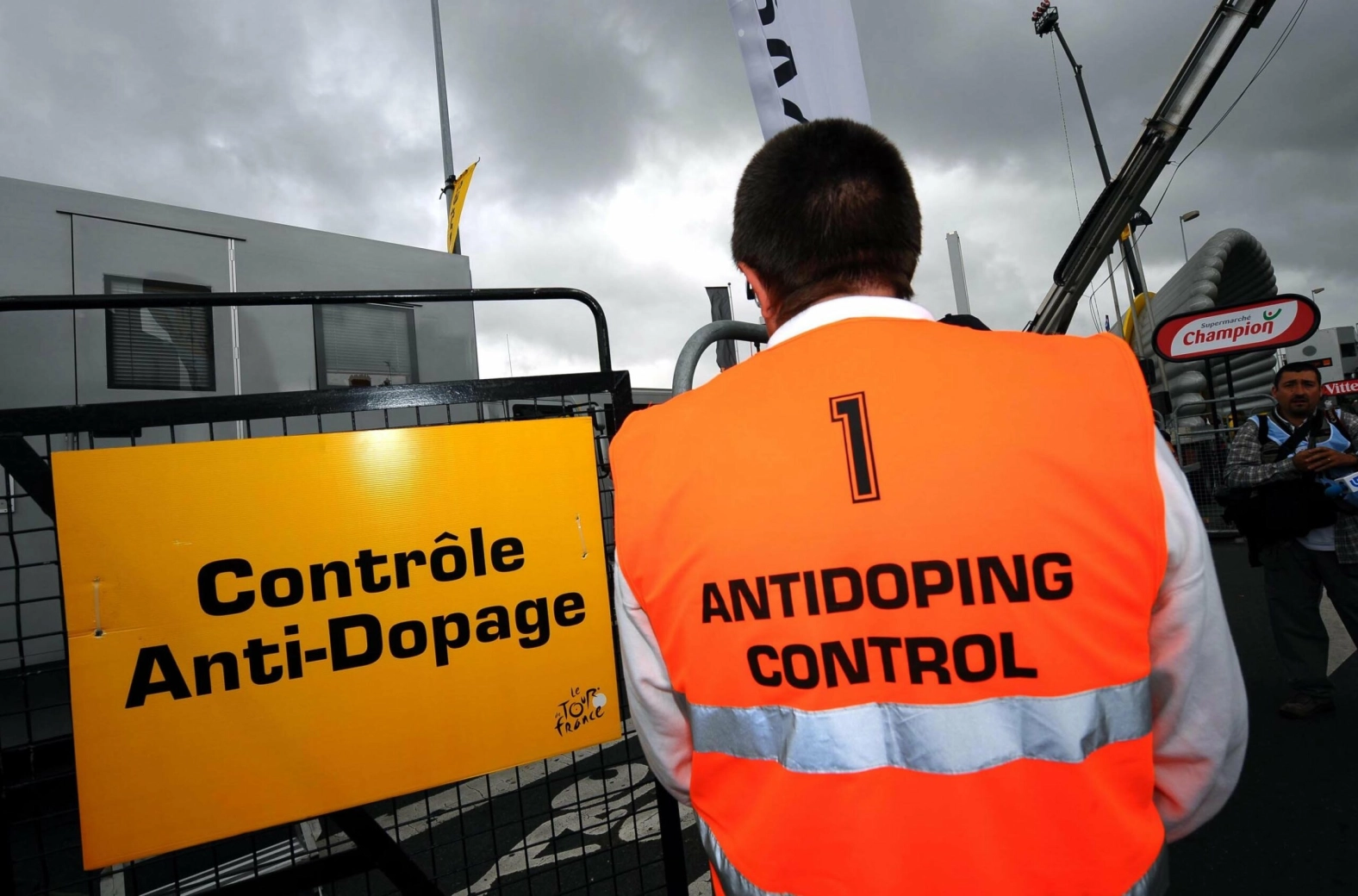
The problem for anti-doping authorities is that M101 does not cause variations in hematocrit levels, as traditional blood doping methods like EPO use or transfusions do, which would render the main tool that UCI and AMA currently have to detect these practices, the biological passport, ineffective.
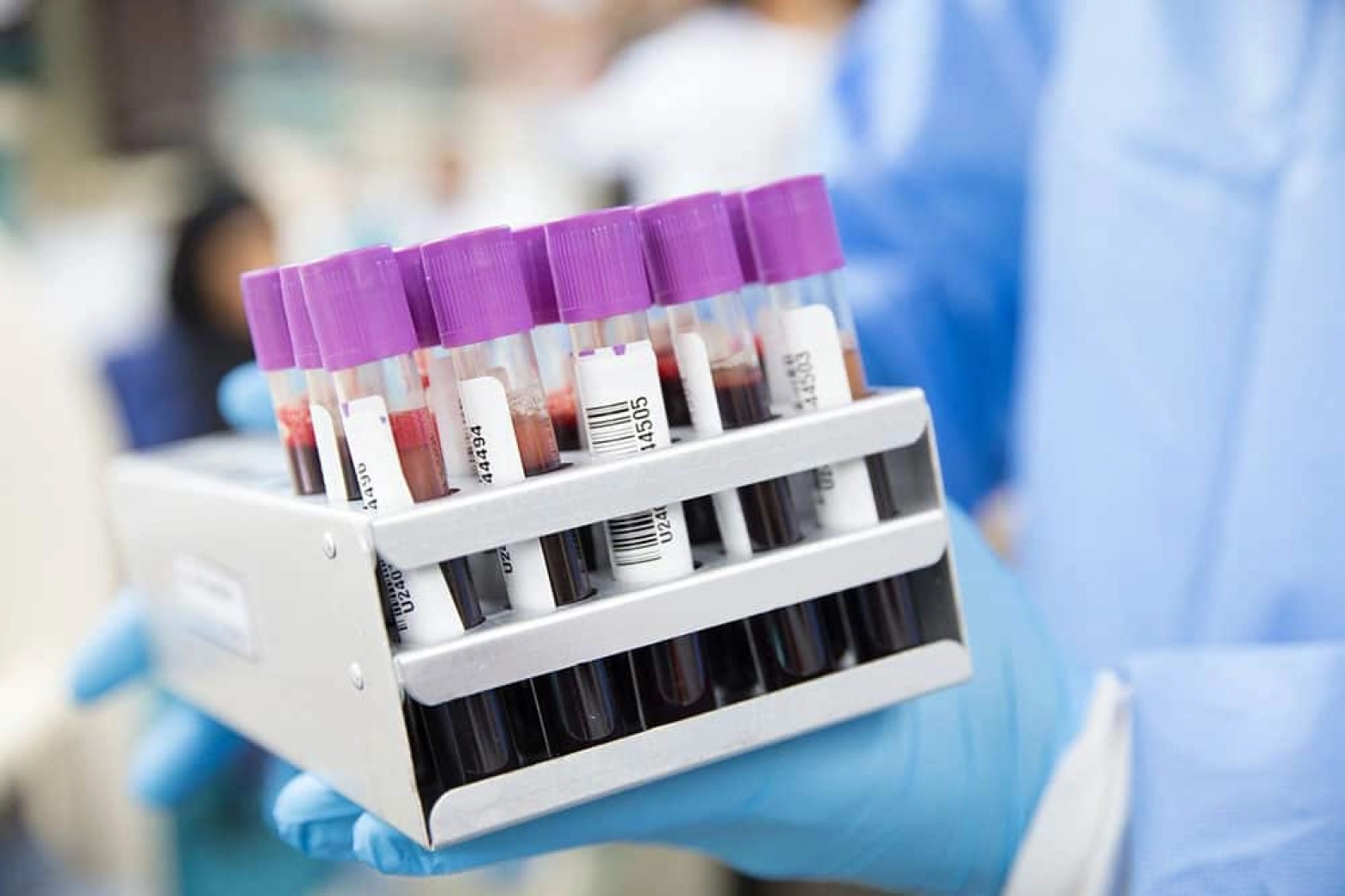
For now, the only tool that AMA has to detect this substance would be blood tests using the non-human hemoglobin detection system, a complex and costly method. Additionally, they face the handicap that the half-life of M101 in the body is only a few hours, making the speed between blood extraction and its arrival at the laboratory for preservation essential.
Currently, in preparation for the upcoming Winter Olympics in Milan-Cortina, samples will be taken, in just half a day, to the renovated laboratory in Rome, which, like those in Lausanne and Cologne, already has the capacity to detect non-human hemoglobin in case AMA requires this type of analysis now or in the future.
También puede interesarte
Road
Cobblestones, mud, and legend. Why cycling never abandoned the cobblestones
Training
Boost your watts, boost your level: that's how you improve your FTP
Road
What are the five monuments of cycling?
Nutrition
The most reliable method for determining how many calories you burn while cycling
Road
The highest-paid cyclists in the world in 2026: Pogacar continues to lead the ranking.
Mountain bike