Van Rysel presents its most futuristic bike to date
With the representative name FTP2, which aims to embody concepts that serve to square the performance of the cyclist, Van Rysel has presented its boldest project at the well-known VeloFollies show, a kind of brainstorming session to demonstrate the technological prowess of the brand and, at the same time, to materialize concepts that, who knows, may reach production in the not-so-distant future.
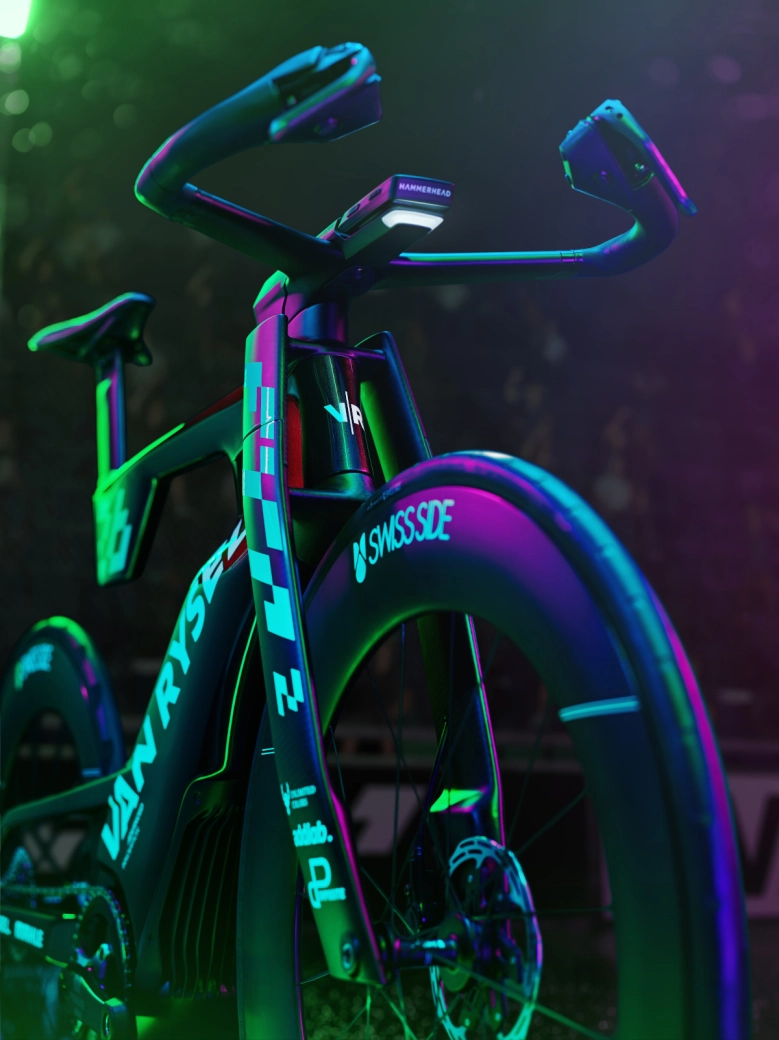
Decathlon showcases technological muscle with its conceptual project Van Rysel FTP2
Will the bikes of the future be able to multiply the performance of the cyclist to previously unimaginable limits? Starting from this question, Van Rysel, a brand that produces high-end road bikes within Decathlon's vast cycling offering, has presented at the VeloFollies show taking place these days in Kortrijk, a Belgian city in Flanders, bordering France and located just a few kilometers from Decathlon's headquarters in the also border city of Lille, a conceptual project aimed at shaping the bikes of the future as well as showcasing what is technologically possible.
The name of this project, FTP2 clearly indicates the goal of maximizing the cyclist's performance through the bike and its associated accessories so that even an amateur cyclist can enjoy the speed and capabilities of a professional cyclist. A conceptual project that seeks to push the limits of speed, aerodynamics, and integration further.
RECOMENDADO
Cobblestones, mud, and legend. Why cycling never abandoned the cobblestones
Boost your watts, boost your level: that's how you improve your FTP
What are the five monuments of cycling?
The most reliable method for determining how many calories you burn while cycling
The highest-paid cyclists in the world in 2026: Pogacar continues to lead the ranking.
SCOTT Spark RC 2026 Range: updated models, prices, and weights
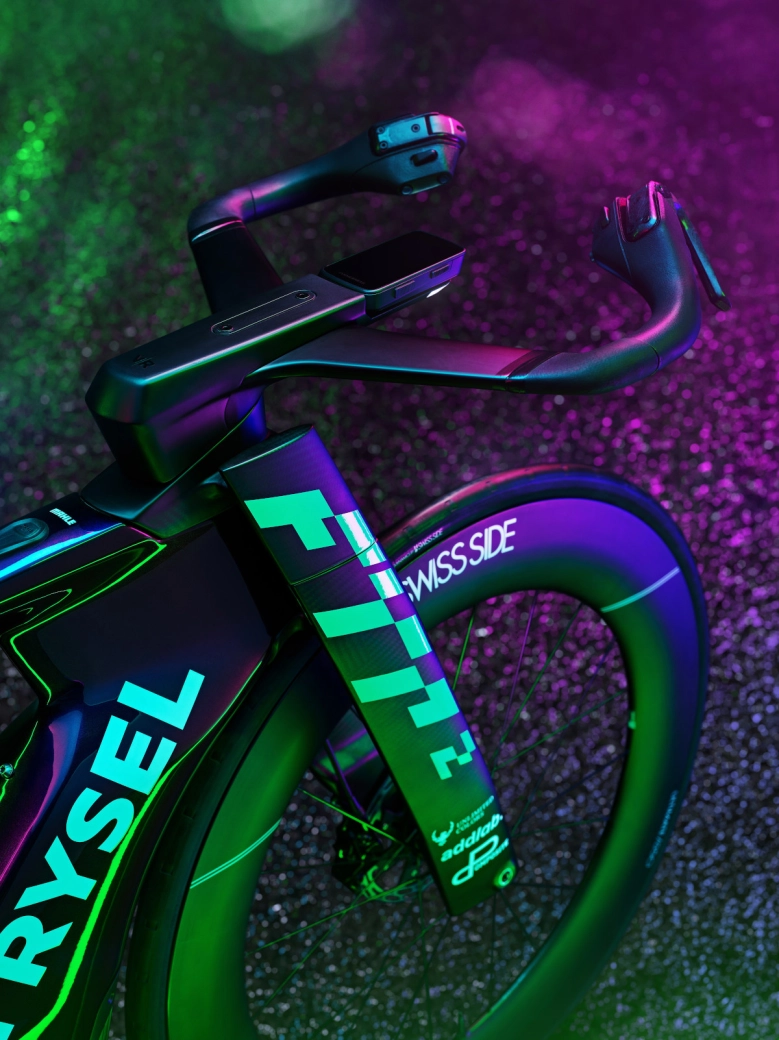
In the quest to achieve this multiplication of performance, the Van Rysel FTP2 project has sought not only to develop a completely futuristic bike but also to complement it with the integration of various elements that contribute to this performance, such as clothing, pedals, or an aerodynamic helmet.
The core of the FTP2 project is a time trial/triathlon bike with absolutely radical tube profiles. A frame with a Y structure that eliminates the seat tube, as seen in some triathlon models, and is equipped with a fork with widened legs very much in the style of track bikes or, more recently, the latest aerodynamic model launched by Factor.
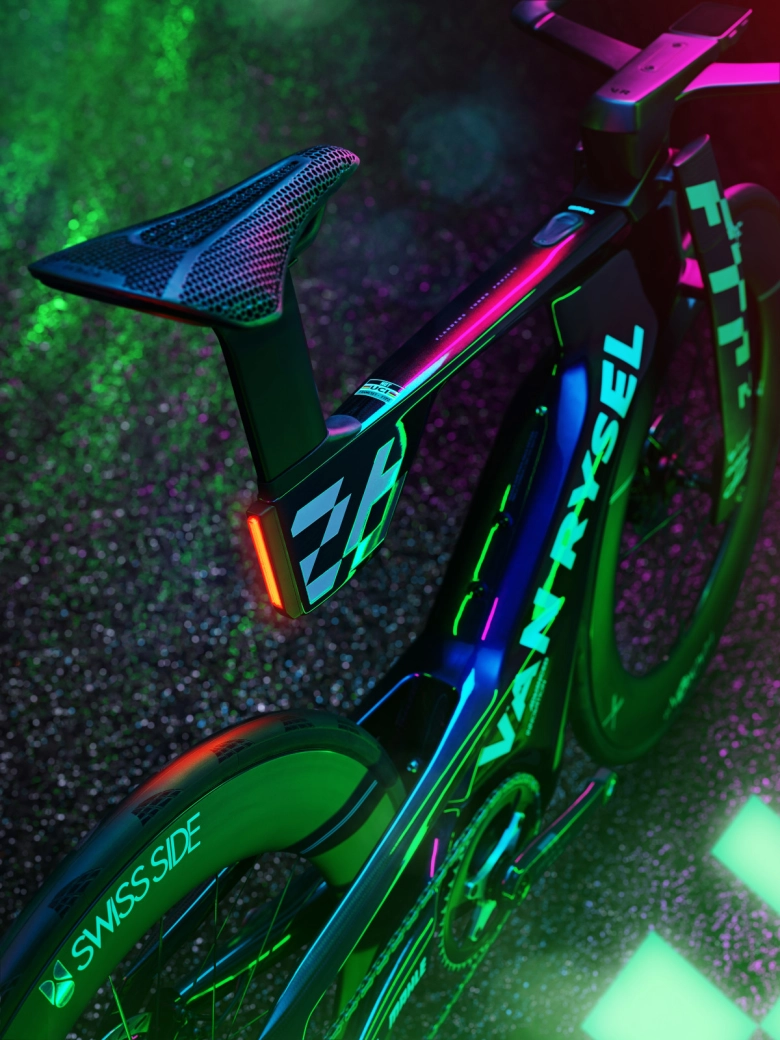
Not content with achieving performance through aerodynamics, considering how the bikes of the future will be and the goal of enabling an amateur to have the performance of a professional, it was undeniable that there are increasingly more electric bikes on the market, which is why they have decided to equip the FTP2 with a central Mahle motor with specific mappings for road use.
Finally, the ensemble is rounded off with a totally futuristic cockpit that looks more like a Formula 1 steering wheel than a conventional handlebar.
More than a bike
Although the bike is the most eye-catching aspect of Van Rysel's FTP2 project, we have mentioned that integration is also a fundamental pillar of this conceptual idea.
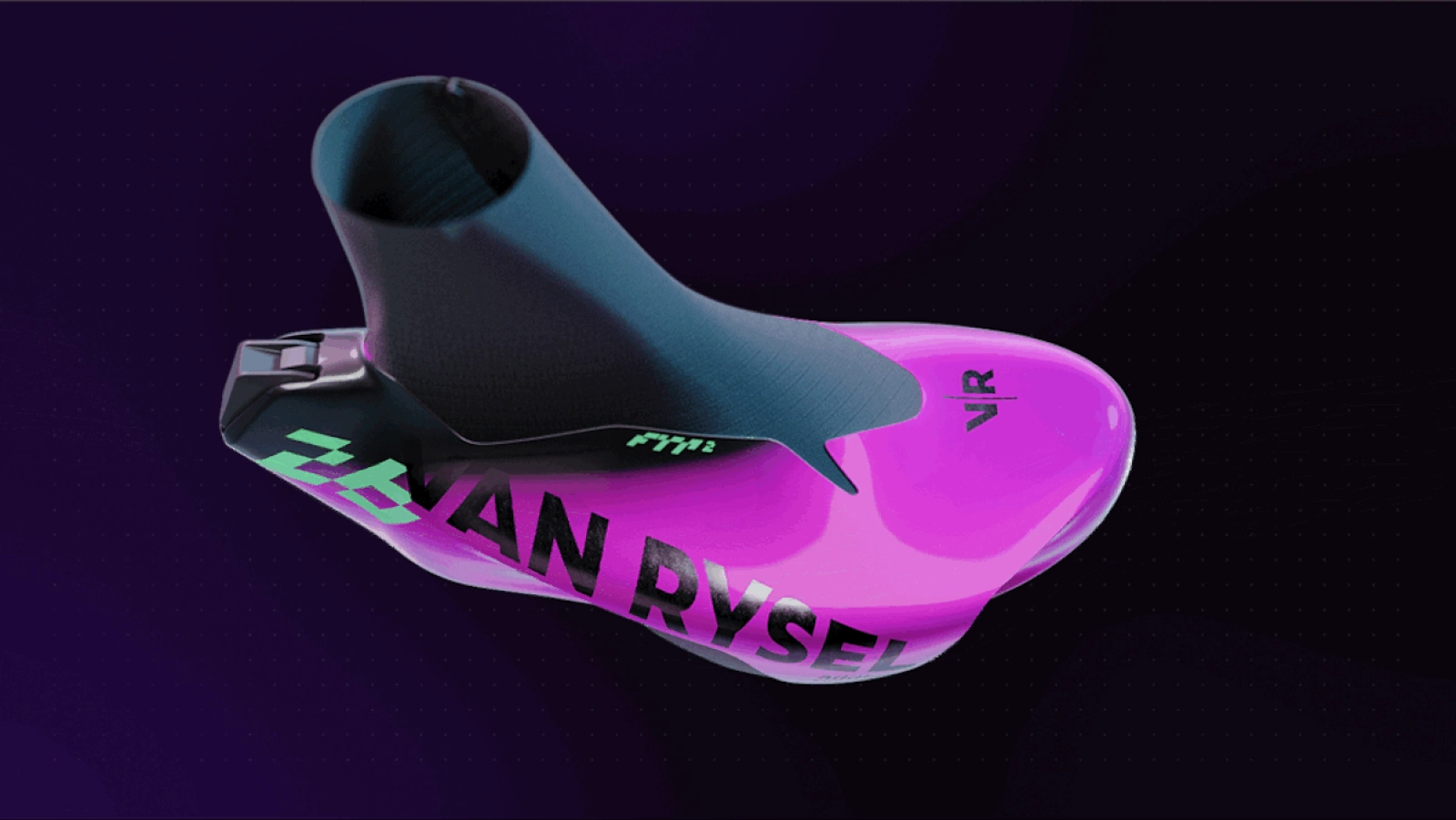
An integration in which the concept of pedals stands out tremendously, literally merging the cyclist with the bike. There are no longer separate shoes and pedals; instead, it is an aerodynamic unit in which the axle is fixed to the cranks and the cyclist inserts their foot. What would be the pedals/shoes feature an electronic tightening system, powered by a SRAM AXS-type battery, which the cyclist can control from the handlebar.
Continuing with the cyclist's equipment, an aerodynamic suit developed in a double layer promises to combine protection and aerodynamics. The inner layer is made of an anti-abrasive material on which various padded areas are placed to increase protection in case of impact. These pads would also serve a dual function by creating volumes to improve aerodynamics. A battle against the wind would be handled by the outer layer made of high-quality aerodynamic fabric, similar to that currently used in the making of time trial suits.
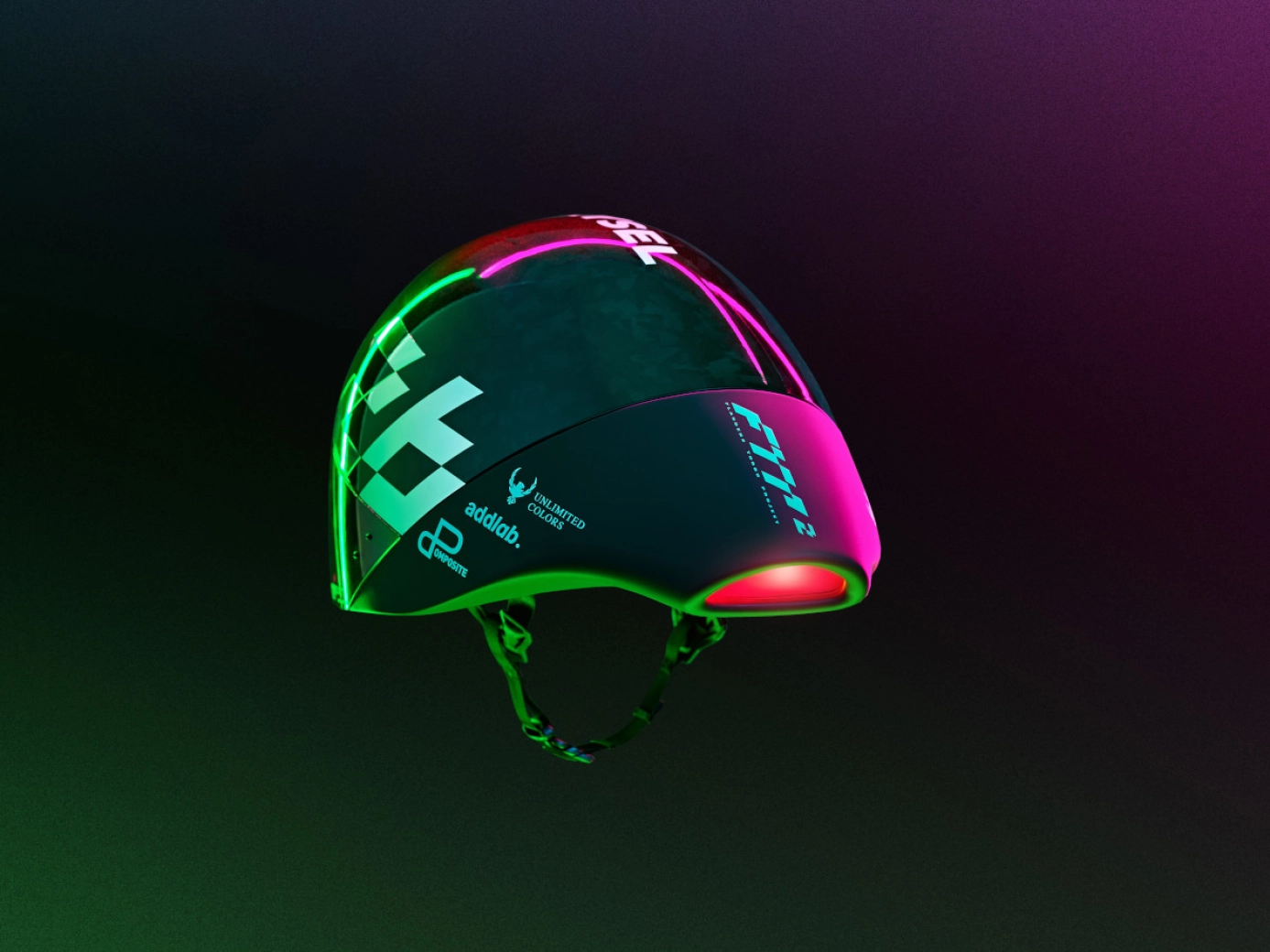
Perhaps the most conventional element is the helmet for which Van Rysel has proposed the Click Concept with different aerodynamic shells that attach to a base structure, allowing the helmet to be optimized for the specific use intended, transforming a conventional road helmet into a true time trial model, which also does not neglect active safety by equipping the tail with a generously sized LED rear light.
A look into the future brought to us by Van Rysel, which also allows the brand to continue positioning itself on its path to being considered a top brand, shedding the stigma that Decathlon brands have historically carried of being little more than supermarket bikes. For now, it is just a vision of the future, but who knows what bikes will be like in 10 or 15 years. At Van Rysel, they have dared to imagine it, and now they show us their vision.
También puede interesarte
Road
Cobblestones, mud, and legend. Why cycling never abandoned the cobblestones
Training
Boost your watts, boost your level: that's how you improve your FTP
Road
What are the five monuments of cycling?
Nutrition
The most reliable method for determining how many calories you burn while cycling
Road
The highest-paid cyclists in the world in 2026: Pogacar continues to lead the ranking.
Mountain bike