Van der Poel's bike for Roubaix has been unveiled: here's a look at the new Canyon Endurance CFR
The new Canyon Endurace CFR has just been officially presented, but the truth is that it has already been tested in competition, and Mathieu van der Poel has already won with it on the cobblestones. Here we reveal all its details.
Canyon launches the Endurace CFR, aerodynamics and control in a single bike
The concept of "endurance" bicycles has been evolving for years, but it has rarely been approached with such a direct logic as in this new launch from Canyon. The idea is not new, but the way to execute it is. Reduce fatigue to go faster in real conditions. Not in a lab, but in scenarios like cobblestones, broken asphalt, or spring classics.
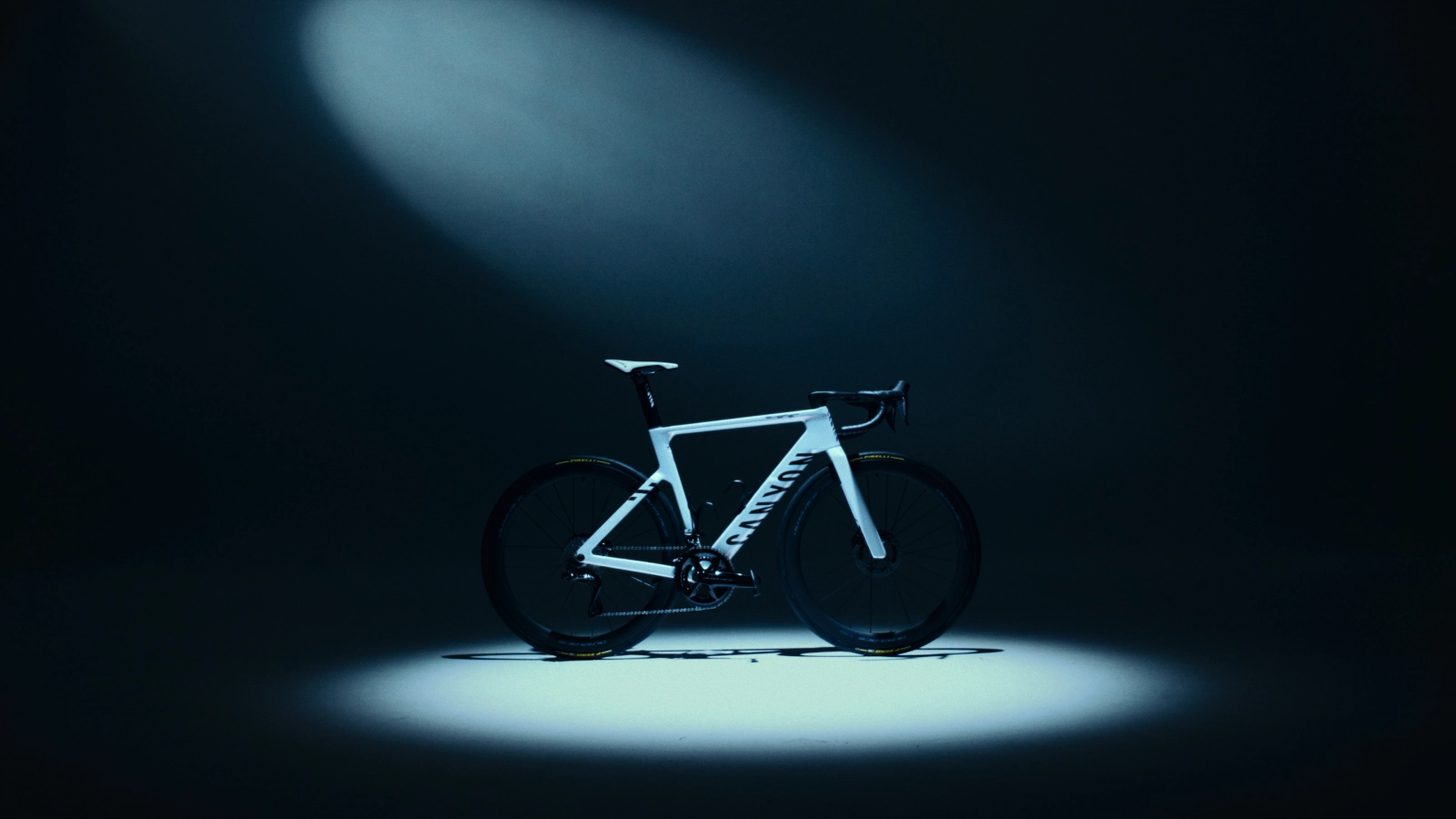
The new Endurace CFR is born precisely there, at that midpoint where two separate worlds have coexisted until now. On one side, pure aero bikes; on the other, machines designed for long distances. Canyon attempts to unite both approaches in a single platform that does not compromise on efficiency or control.
Development from competition, not from the catalog
RECOMENDADO

Del Toro abandons due to a fall and Axel Laurance wins stage 3 of the Itzulia 2026
Nino Schurter and David Valero will share the starting line again this weekend

This cycling bell goes through the noise-canceling headphones
Pogacar and the limits of the tire: Roubaix will determine how far one can go

How, when, and how much: the ultimate guide to carbohydrates for cyclists
Specialized opens the urban premium market with the new Vado 3
One of the most relevant aspects of the project is its origin. It is not a bike designed from scratch for the end user, but rather it stems from the demands of one of the most dominant teams in the classics, Alpecin–Premier Tech.
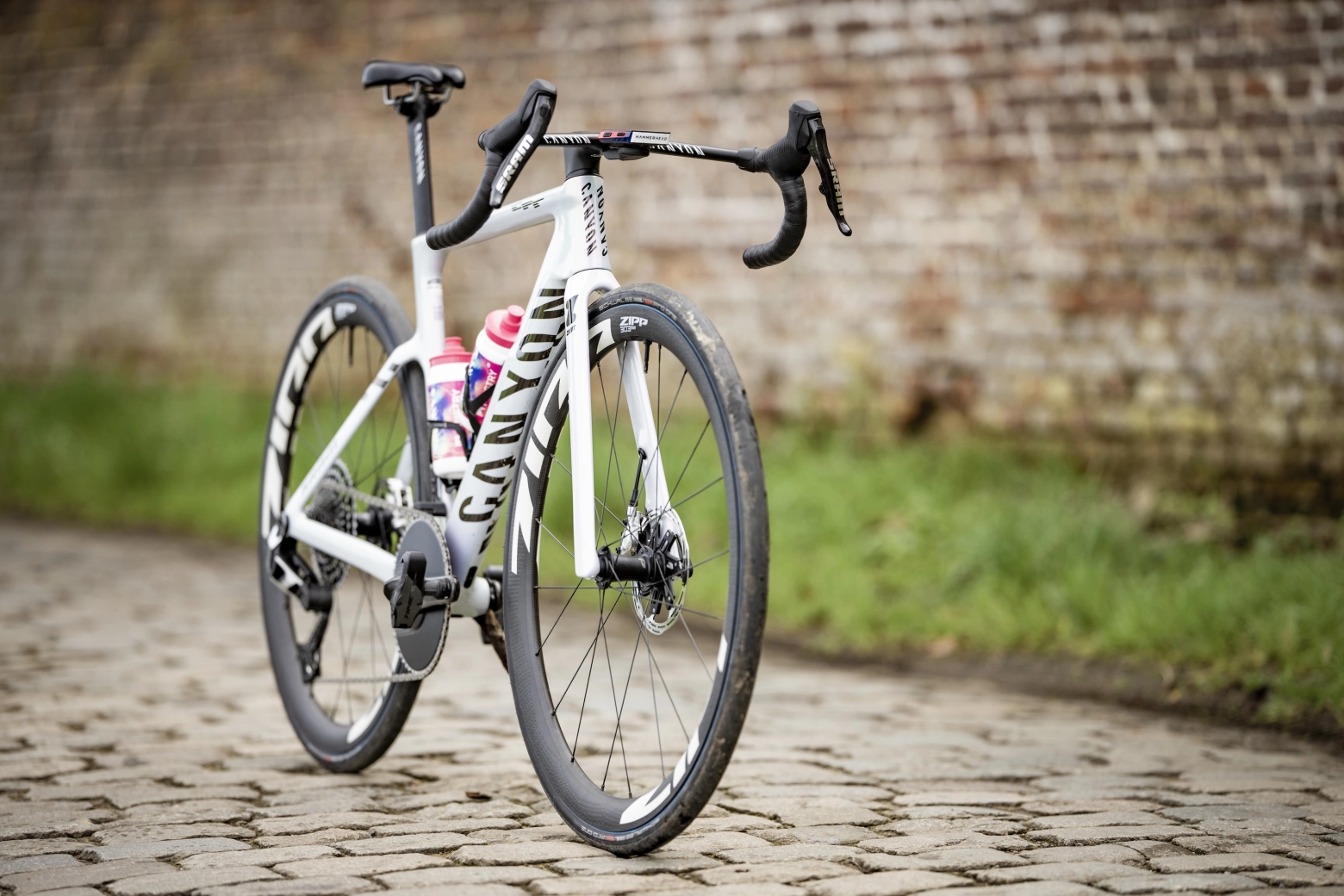
This completely changes the approach. Here, it is not about softening a road bike, but about making it competitive in scenarios where compromises were traditionally accepted. The team itself makes it clear by prioritizing reliability above any other factor, which is key when competing at the limit on unpredictable surfaces.
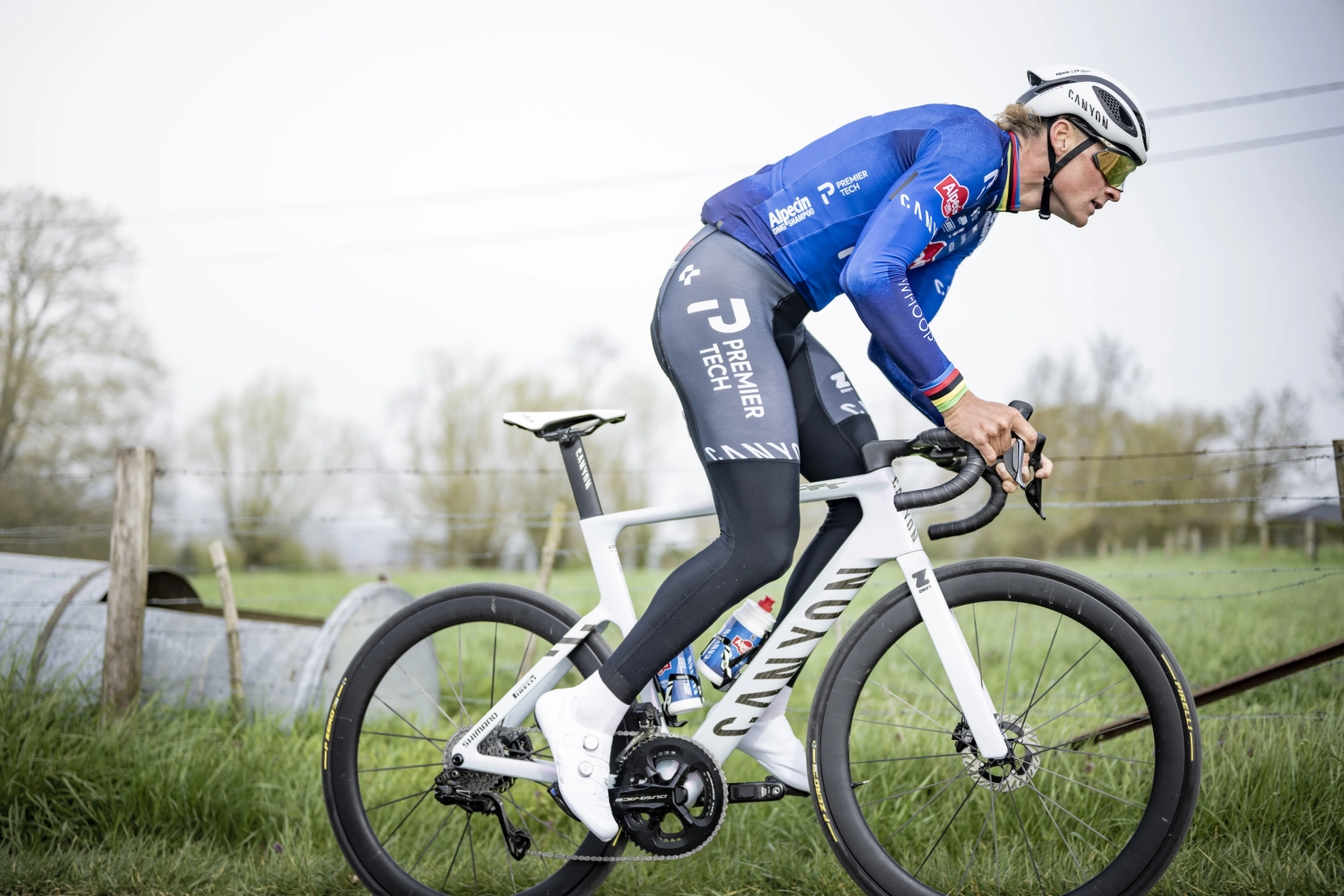
The CFR frame introduces an unusual mix of fibers even within the premium segment. It combines Toray T1100 and T800 with pitch-type fibers to reinforce critical areas like the head tube. The result is a 10 percent increase in front stiffness compared to references like the Aeroad CFR, going from 103 to 115 N per degree.
This is not an isolated data point. On cobblestones or uneven surfaces, precision in steering is as important as vertical absorption. Canyon does not reduce stiffness to gain comfort, but rather adds absorption capacity in other areas.
The best example is the VCLS Aero seatpost. In a component that is normally designed to be stiff and efficient, here it achieves a more than 25 percent increase in vertical flex compared to a conventional seatpost.
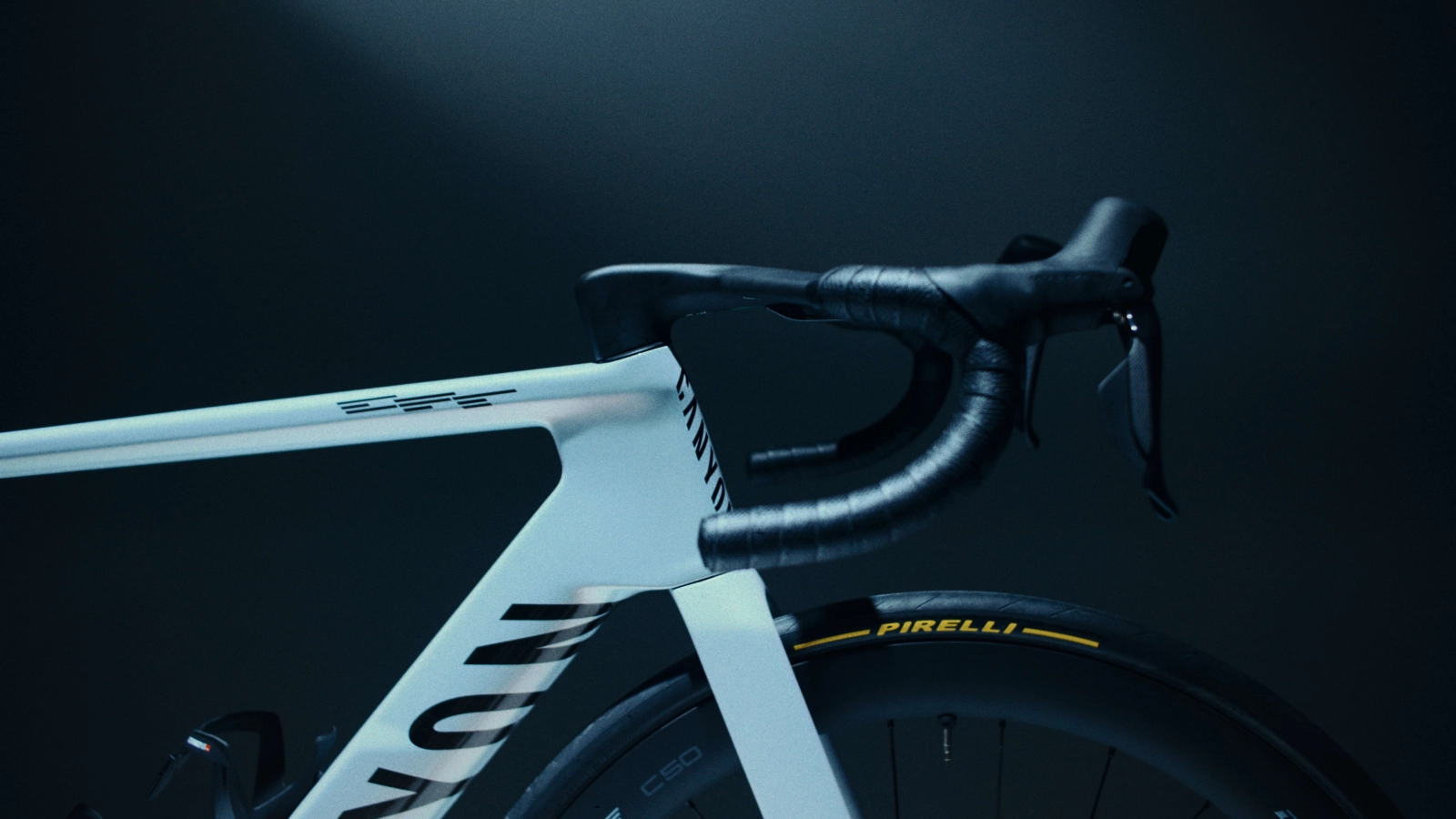
This approach is reminiscent of high-level gravel solutions, but applied to a bike clearly oriented towards road competition. It is not a comfortable bike in the classic sense, but a bike that allows maintaining power for longer on demanding terrain.
Aerodynamics without real concessions
One of the points where the conceptual leap is most noticeable is in aerodynamics. Traditionally, endurance bikes accepted a clear penalty compared to aero models. Here, that difference practically disappears according to Canyon.
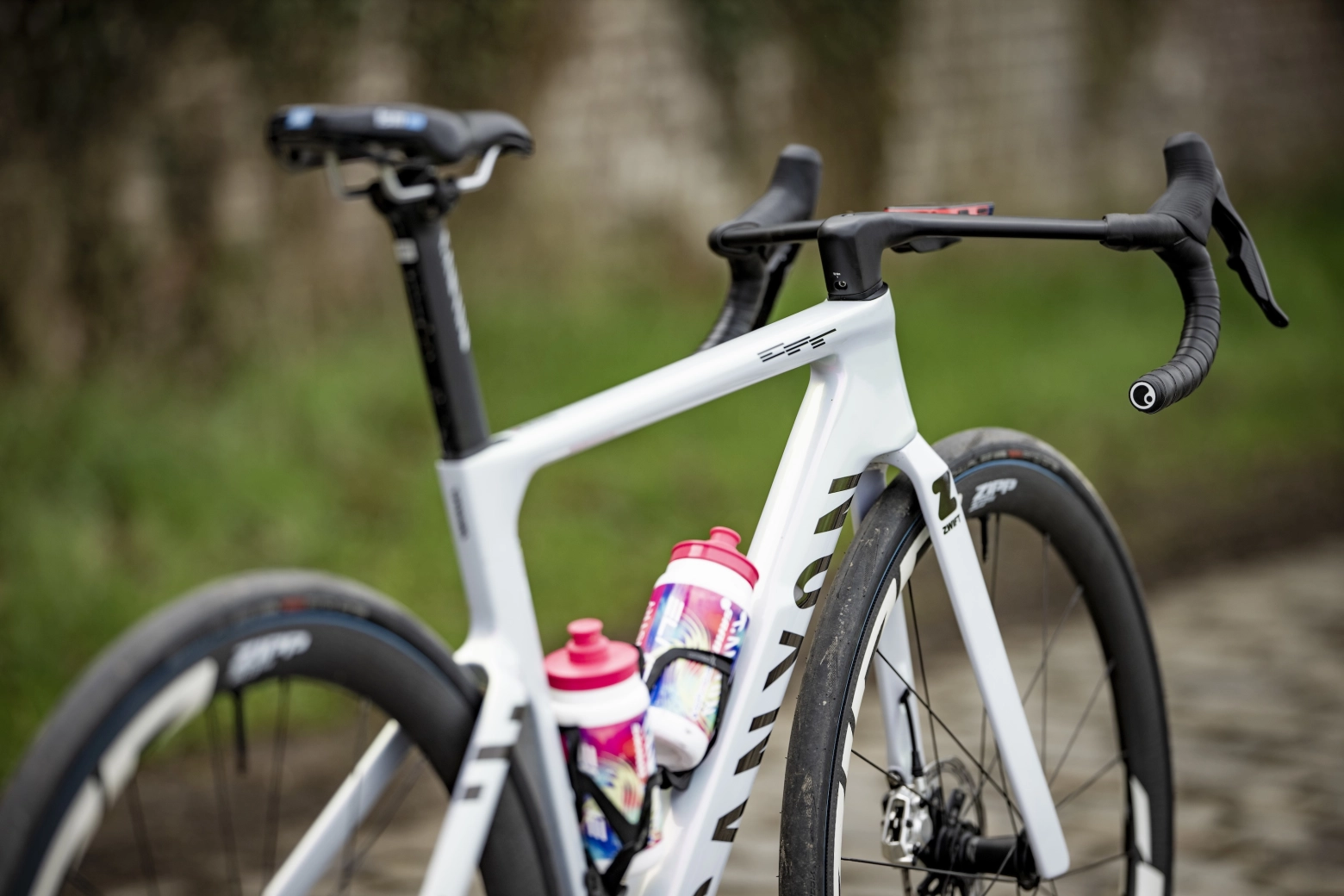
The key data is the wind tunnel test. The Endurace CFR is around 205 watts at 45 km/h, just one watt above the Aeroad CFR.
In practical terms, this means that aerodynamic efficiency is no longer an argument to dismiss a bike of this type in competition. The difference is so small that the decisive factor becomes control and the ability to maintain speed in real conditions.
More tire clearance and what it implies in racing
The increase in tire clearance up to 35 mm is not simply a trend. It is a statement of intent.
It allows working with lower pressures, improving traction, and reducing muscle fatigue. But it also introduces an additional margin for extreme conditions, with more than 4 mm of free space to evacuate mud according to ISO standards.
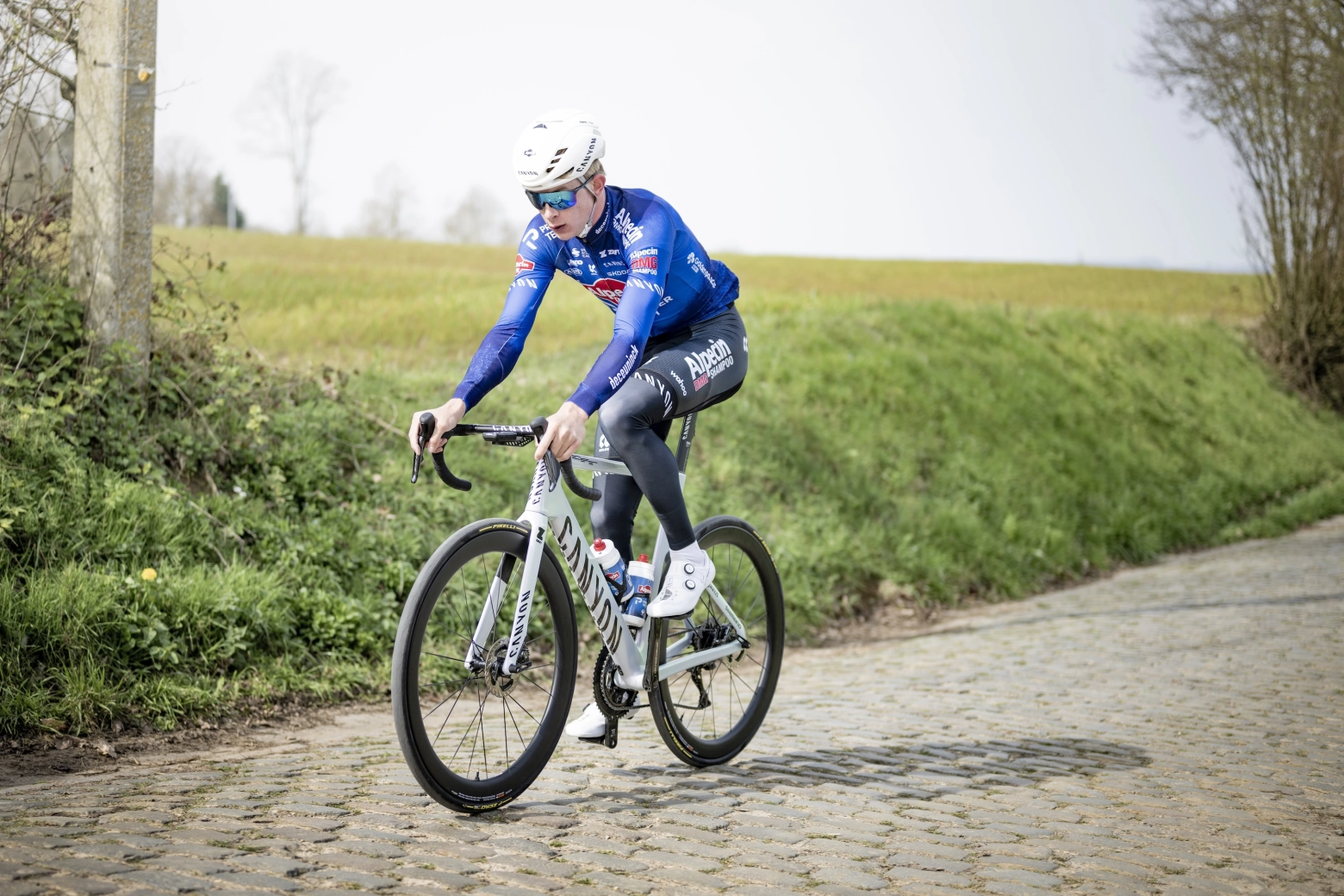
When compared to what was seen just a few years ago in Roubaix, where 28 mm was already considered wide, the change is radical. This bike is designed for current cycling, where the limit between road and gravel is increasingly blurred.
Reliability as the axis of design
Beyond the numbers, there is a less visible but equally important part. Canyon has worked on durability with testing standards much more demanding than those usual in road cycling.
Impacts on the rear axle, loads on the fork, and overloads on the seat tube are simulated to replicate the punishment of cobblestones.
This is complemented by the use of small details that collectively have a clear impact on real use, such as titanium screws or hybrid double-sealed ceramic bearings.
They are not flashy elements, but they are decisive when it comes to sustained performance in adverse conditions.
Ergonomics and adjustment, a new way to understand the handlebars
Another point where Canyon introduces interesting changes is in the riding position. The PACE system allows adjusting height and width with a single tool, without the need to cut the fork or bleed brakes.
This has important implications. It not only facilitates the initial adjustment but also allows adapting the bike to different scenarios without complications.
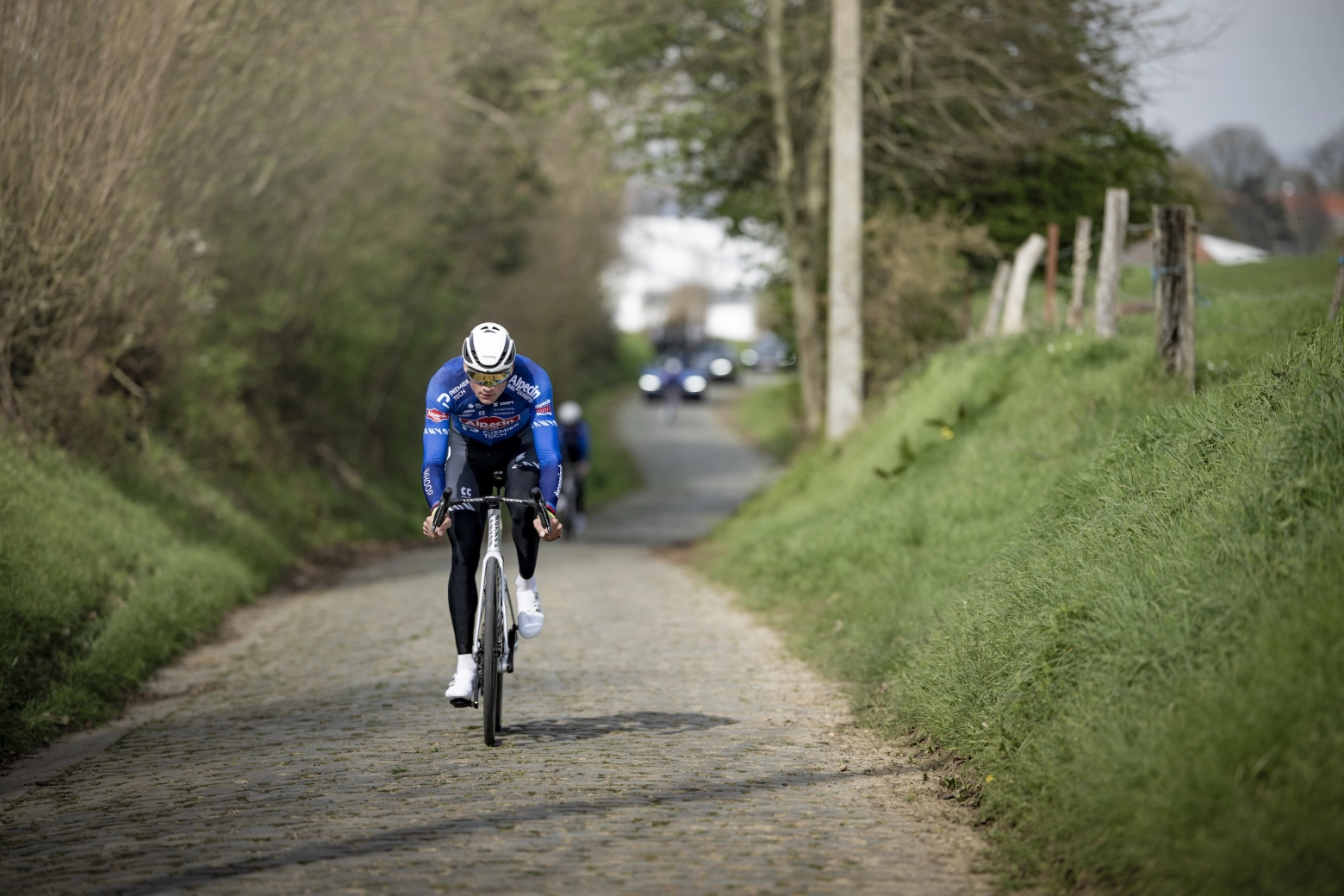
For those seeking a more aggressive position, there is an option for a lower and longer handlebar that reduces the stack by 20 mm and increases the reach by 10 mm, with an additional weight saving and an estimated aerodynamic improvement of 2 watts at 45 km/h.
It is a solution consistent with the philosophy of the bike, which does not force a choice between comfort or performance, but allows modulating both.
Shorter cranks and the silent change in biomechanics
One of the less visible but more interesting changes is the reduction in crank length. In size M, they go to 165 mm compared to the usual 172.5 mm.
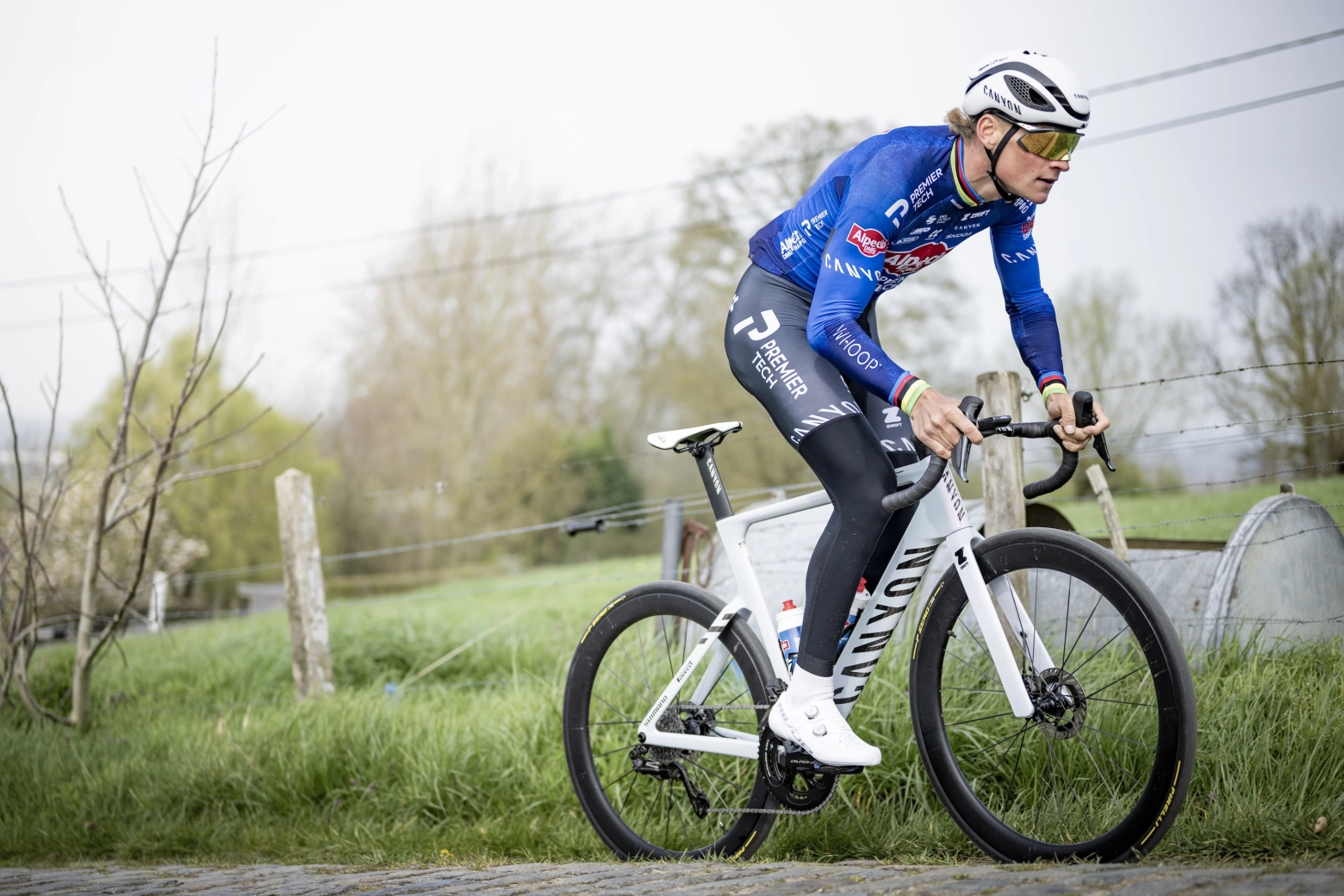
This opens the hip angle, reduces joint stress, and facilitates maintaining high cadences. It is a trend already seen in the professional peloton and here it is integrated as standard.
It may not be a spectacular change at first glance, but it has a direct impact on long-term efficiency, especially in prolonged efforts.
A bike designed to alternate with aero models
The Endurace CFR does not aim to replace models like the Aeroad. In fact, Canyon presents both as complementary tools.
Professional teams will be able to choose between one or the other depending on the conditions, confirming that this bike is not a more comfortable alternative, but a competitive option in certain scenarios.
The fact that it has already achieved victories in races on cobblestones reinforces this idea, although more detailed information is lacking on what configurations were used in each case.
Canyon Endurace CFR models and prices
In both cases, a competition-oriented approach is maintained, but with developments adapted to variable terrains.
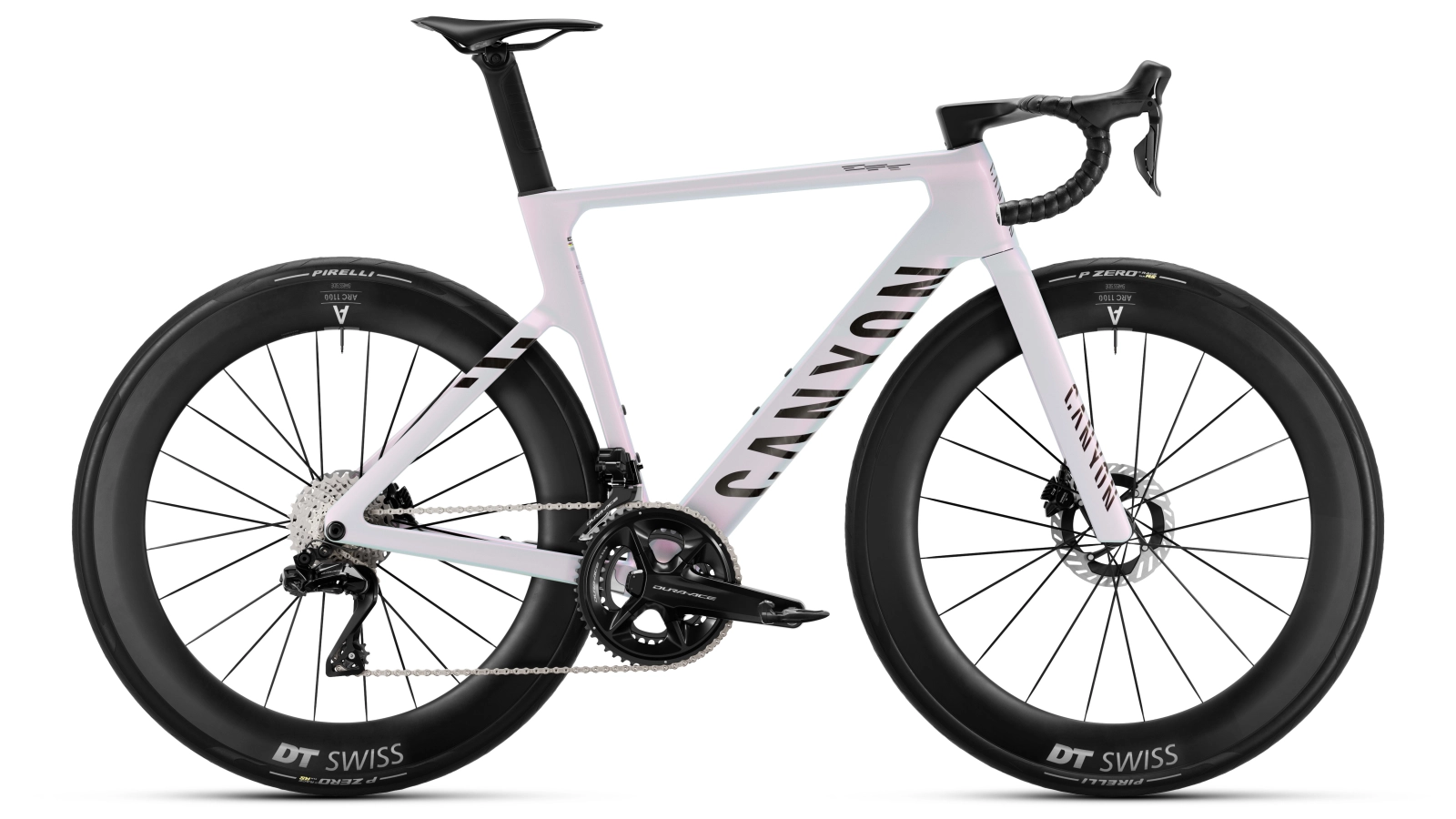
Endurace CFR Shimano Dura-Ace Di2
- Shimano Dura-Ace Di2 group
- Integrated Shimano power meter
- 52-36 development with 11-30 cassette
- DT Swiss ARC 1100 65 mm wheels
- Pirelli P Zero RS 35 mm tires
- Declared weight 7.5 kg
- Price €9,000
Endurace CFR SRAM Red AXS
- SRAM Red AXS group
- Integrated SRAM power meter
- 50/37 development with 10-33 cassette
- DT Swiss ARC 1100 65 mm wheels
- Pirelli P Zero RS 35 mm tires
- Declared weight 7.5 kg
- Price €9,000
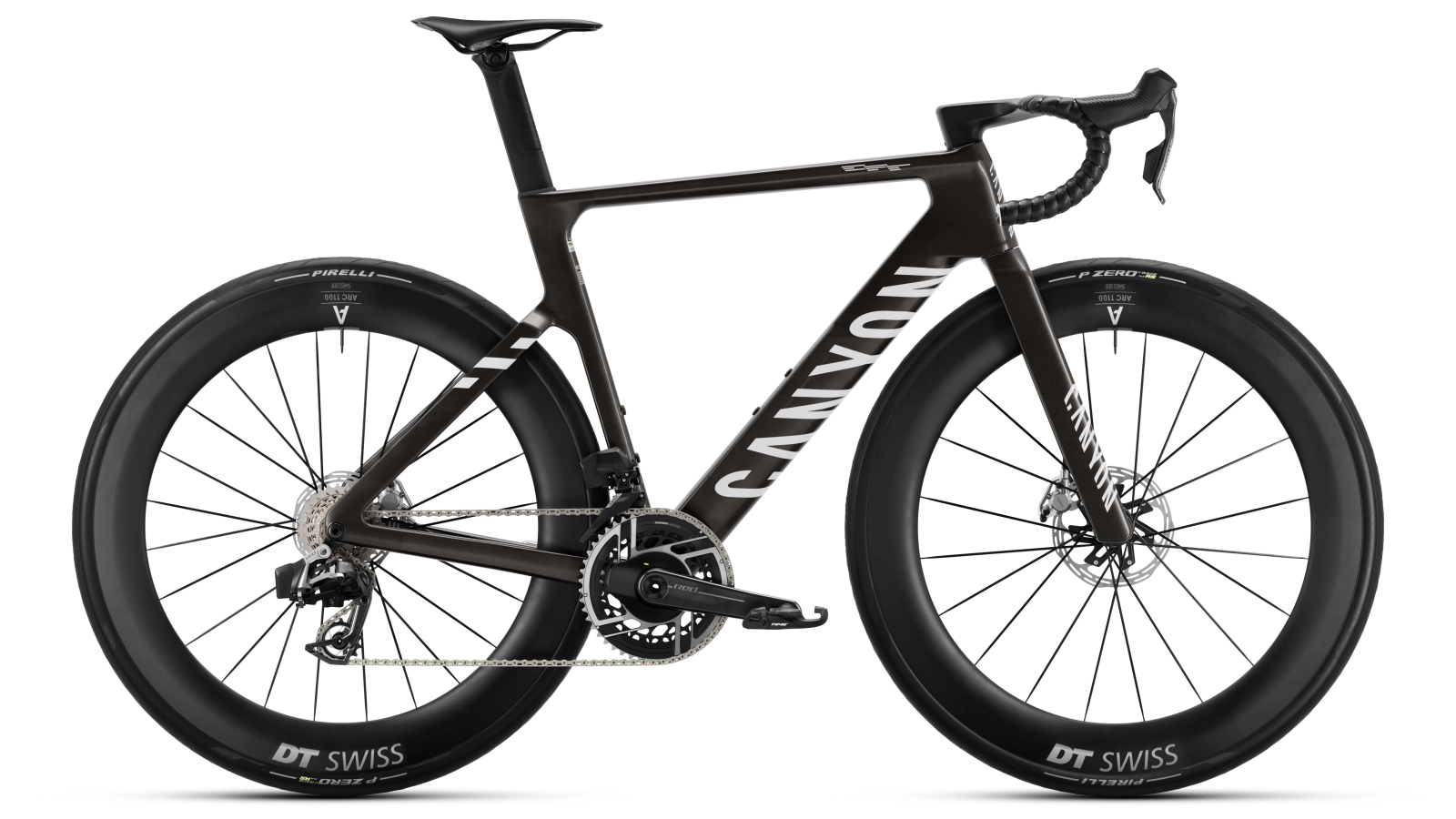
The Endurace CFR is not simply a new bike within an existing category. It represents a deeper change in how performance on the road is understood.
También puede interesarte
Road
Del Toro abandons due to a fall and Axel Laurance wins stage 3 of the Itzulia 2026
Gravel
Nino Schurter and David Valero will share the starting line again this weekend
Bike Equipment
This cycling bell goes through the noise-canceling headphones
Road
Pogacar and the limits of the tire: Roubaix will determine how far one can go
Nutrition
How, when, and how much: the ultimate guide to carbohydrates for cyclists
Road