"I'm going to go to bed earlier": Evenepoel changes his sleep routine because night controls will continue and affect more teams
The controversy over the anti-doping tests conducted in the early morning on Tadej Pogacar and Jonas Vingegaard is far from over. After it was revealed that both were awakened during the night thanks to an exceptional court authorization, new information suggests that they were not the only riders subjected to this procedure and that the tests could continue during the last week of the Tour de France. Some cyclists, like Evenepoel, are already taking measures to ensure their rest.
Nocturnal anti-doping tests extend in the Tour: more teams affected and Evenepoel changes his routine to sleep earlier
So far, only the cases of the Tour leader and the then second-placed Jonas Vingegaard, awakened at 5:00 and 2:00 in the morning, respectively, were known.
However, Cycling Weekly reports, citing knowledgeable sources about the operation, that at least two other teams were subjected to tests at five in the morning, one during the first week and another in the second. The British outlet even adds that the total number of affected teams could approach eight.
A spokesperson for the ITA confirmed to the outlet that, in addition to Pogacar and Vingegaard, “more teams were tested outside of the usual hours”, without providing further details about the involved riders.
All signs point to the tests continuing until Paris
RECOMENDADO
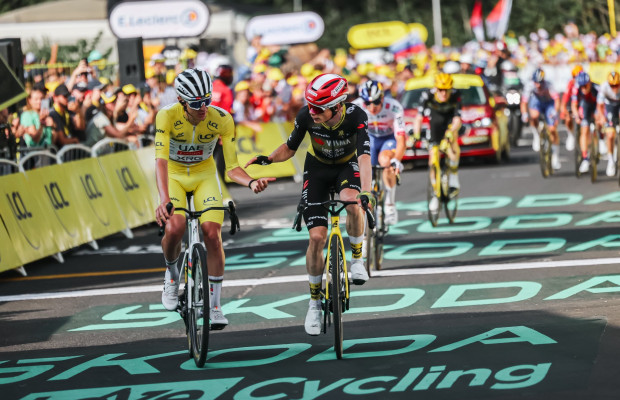
A judge authorized nighttime doping controls for Pogacar and Vingegaard: they are only allowed in the presence of "well-founded suspicions"
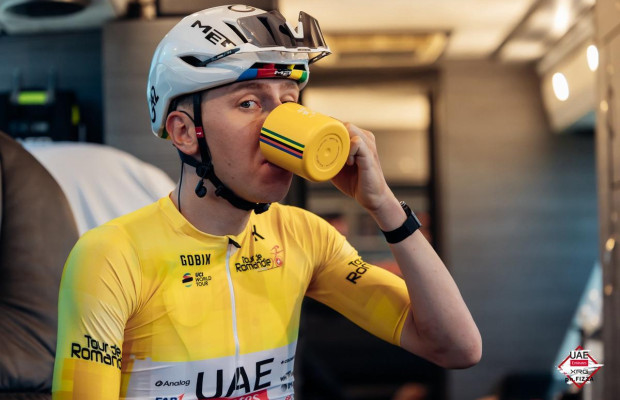
Doping controls wake Pogacar and Vingegaard in the early morning
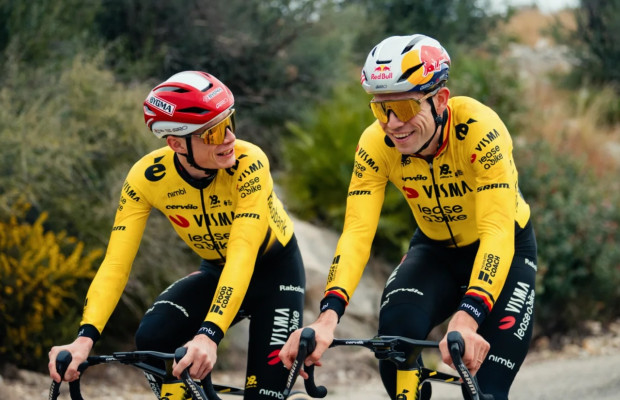
The controversial "power passport" is already underway: Visma and four other teams are participating in the anti-doping trial
More power, less fatigue: how nitrates could help you on the bike
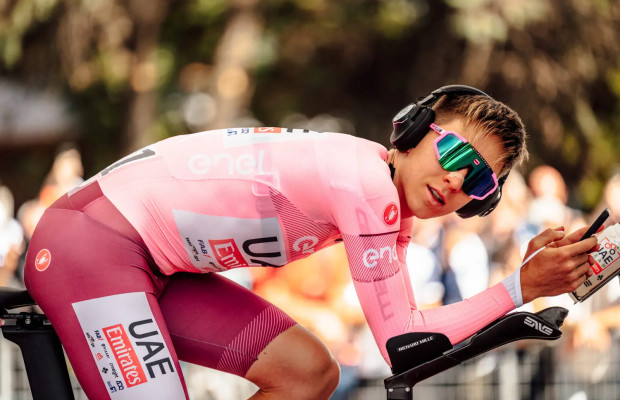
An indoor trainer can do more for your training than you think: here are 7 reasons to own one
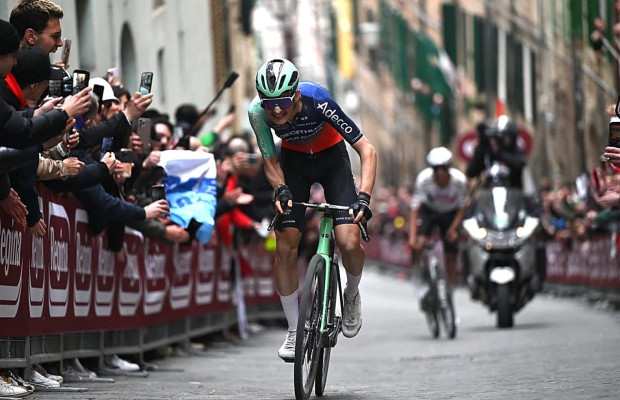
Goodbye to watts per kilogram as the sole benchmark—fatigue decides who’s the best
Far from being an isolated incident, several sources believe that these tests will continue to be a topic of discussion in the coming days.
L’Équipe revealed that the nocturnal tests were authorized by a French judge who considered that the requirements set by legislation were met, including “serious and consistent indications” of a possible doping violation and the risk of evidence disappearing. And after this procedure became known, all signs indicate that the nocturnal tests will continue to be prominent during the last week of the Tour, as the ITA's strategy remains fully active.
The agency had already announced before the start of the race that the anti-doping plan for the 2026 Tour would allow tests to be conducted 24 hours a day, as long as there were justified circumstances.
Evenepoel has already changed his sleep routine
The impact of these tests has even reached riders who have not yet received a nighttime visit from inspectors.
During the rest day, Remco Evenepoel explained in statements collected by WielerFlits that, after what happened with Pogacar and Vingegaard, he has decided to modify his routine to try to minimize the impact of a possible test.

The Belgian acknowledged that he was able to rest normally that night, but admitted that he is approaching the last week differently.
“I always try to go to bed as early as possible, because a normal anti-doping test can also occur from six in the morning. That is already quite early. Now it has been a kind of wake-up call, an alarm signal. So I’m going to try even harder to go to bed early to be prepared in case I am woken up early,” Evenepoel explained to WielerFlits.
A procedure reserved for very specific cases
As we already explained, the tests conducted between 11:00 PM and 6:00 AM are not part of the usual routine of professional cycling, and the UCI's anti-doping regulations literally state that:
“Unless the rider has identified a sixty-minute window between 11:00 PM and 6:00 AM to be subjected to a test, or has given consent for it, the UCI will not conduct tests during that period, unless there is serious and specific suspicion that the rider may be engaging in doping practices.”
In France, moreover, these tests require judicial authorization. As L’Équipe revealed, the French Sports Code requires the existence of “serious and consistent indications” and a risk of evidence disappearing before authorizing such an action.
Precisely for this reason, specialists believe that these inspections are aimed at detecting practices such as microdosing, substances administered in very small amounts that can disappear from the body a few hours later and are much more difficult to locate through a conventional test conducted during the day.
También puede interesarte
Road
A judge authorized nighttime doping controls for Pogacar and Vingegaard: they are only allowed in the presence of "well-founded suspicions"
Road
Doping controls wake Pogacar and Vingegaard in the early morning
Road
The controversial "power passport" is already underway: Visma and four other teams are participating in the anti-doping trial
Nutrition
More power, less fatigue: how nitrates could help you on the bike
Training
An indoor trainer can do more for your training than you think: here are 7 reasons to own one
Road
