DT Swiss brings its anti pedal-kickback technology to the Ratchet hubs with this kit and updates its aluminum wheels
DT Swiss expands its commitment to decoupling, to some extent, transmission and suspension. A year after launching its Degrees of Freedom technology in the DEG hubs, the Swiss brand presents new kits that allow this concept to be applied to the popular Ratchet and Ratchet LN, as well as offering much more extreme adjustments for those already using DEG DF. The launch is completed with a deep update of its aluminum rims from the 1700 series.
There are two different innovations, but especially aimed at more technical MTB. On one hand, DT Swiss seeks to make a technology designed to reduce the interference of the transmission on the functioning of the suspension more accessible. On the other, it revises the architecture of three of its most well-known rims for XC, trail, and enduro.
The DF technology arrives at DT Swiss Ratchet hubs
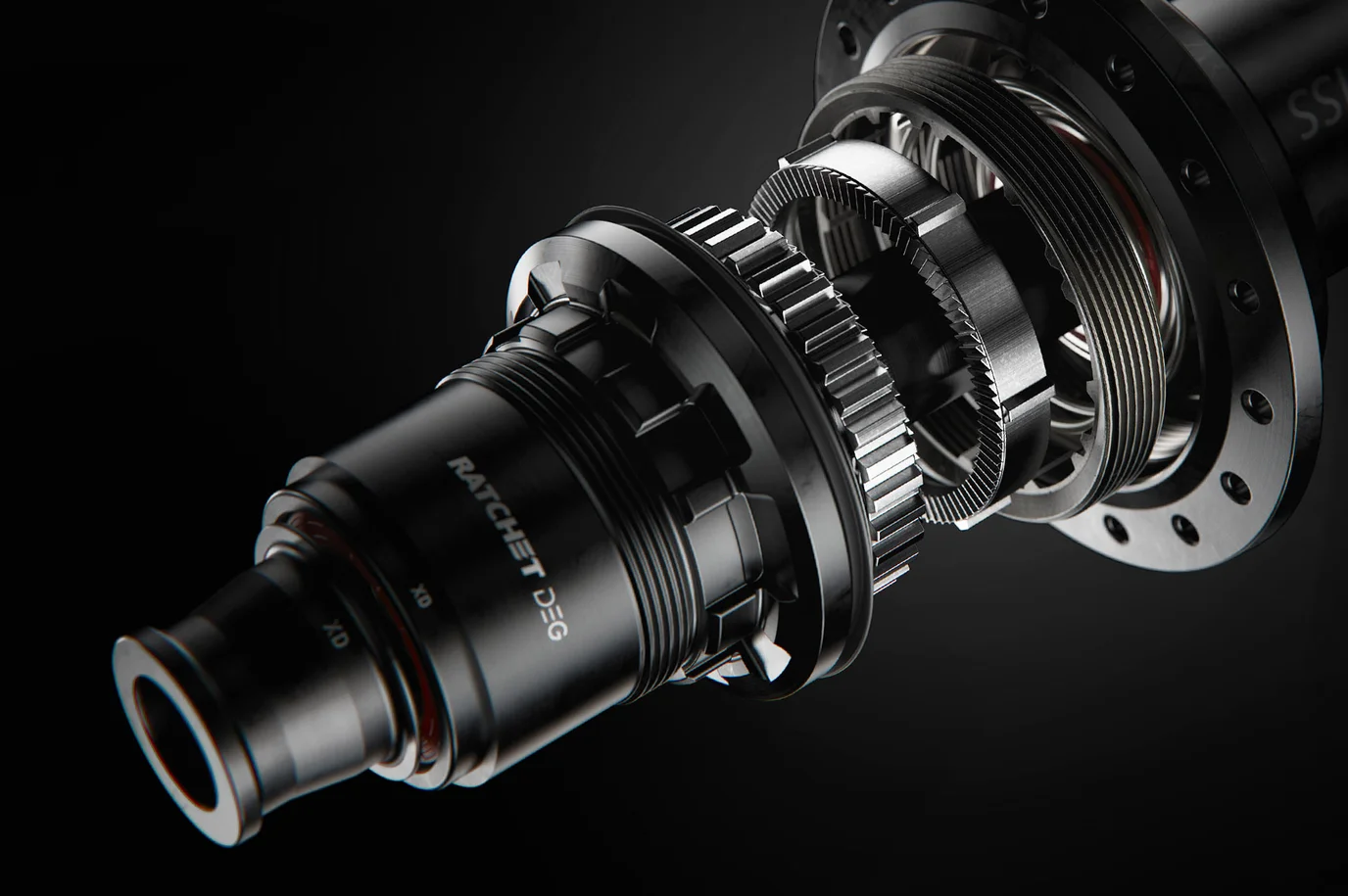
The main novelty is in the Ratchet DF Upgrade Kit. Until now, Degrees of Freedom was reserved for the DEG hubs, but DT Swiss has adapted the system to its traditional Ratchet mechanisms, which have been present in its catalog for decades.
RECOMENDADO
Speed sensor in 2026? DT Swiss and Wahoo think it still makes sense

UAE cools talk of an early Pogačar comeback
Santini welcomes autumn with the latest from Polartec: cycling kit for when the weather turns

“It was probably the best decision of my life”: Pidcock stands by his decision to leave INEOS and names his World Championship favourites

Ciccone and Pidcock could be teammates in 2027 as the Italian negotiates his exit from Lidl-Trek
Chinese brand X-LAB already has its first MTB, with rumours pointing to a World Cup debut in 2027
The principle remains the same. Instead of seeking an almost immediate engagement of the core when we start pedaling, DF deliberately introduces a certain amount of free travel before the transmission is connected.
This margin allows for a reduction in the forces that the chain can transmit to the suspension when it is working, especially on bikes whose design generates a significant increase in the effective chain length when compressed. The ultimate goal is to achieve a rear suspension less conditioned by the transmission when riding on rough terrain.
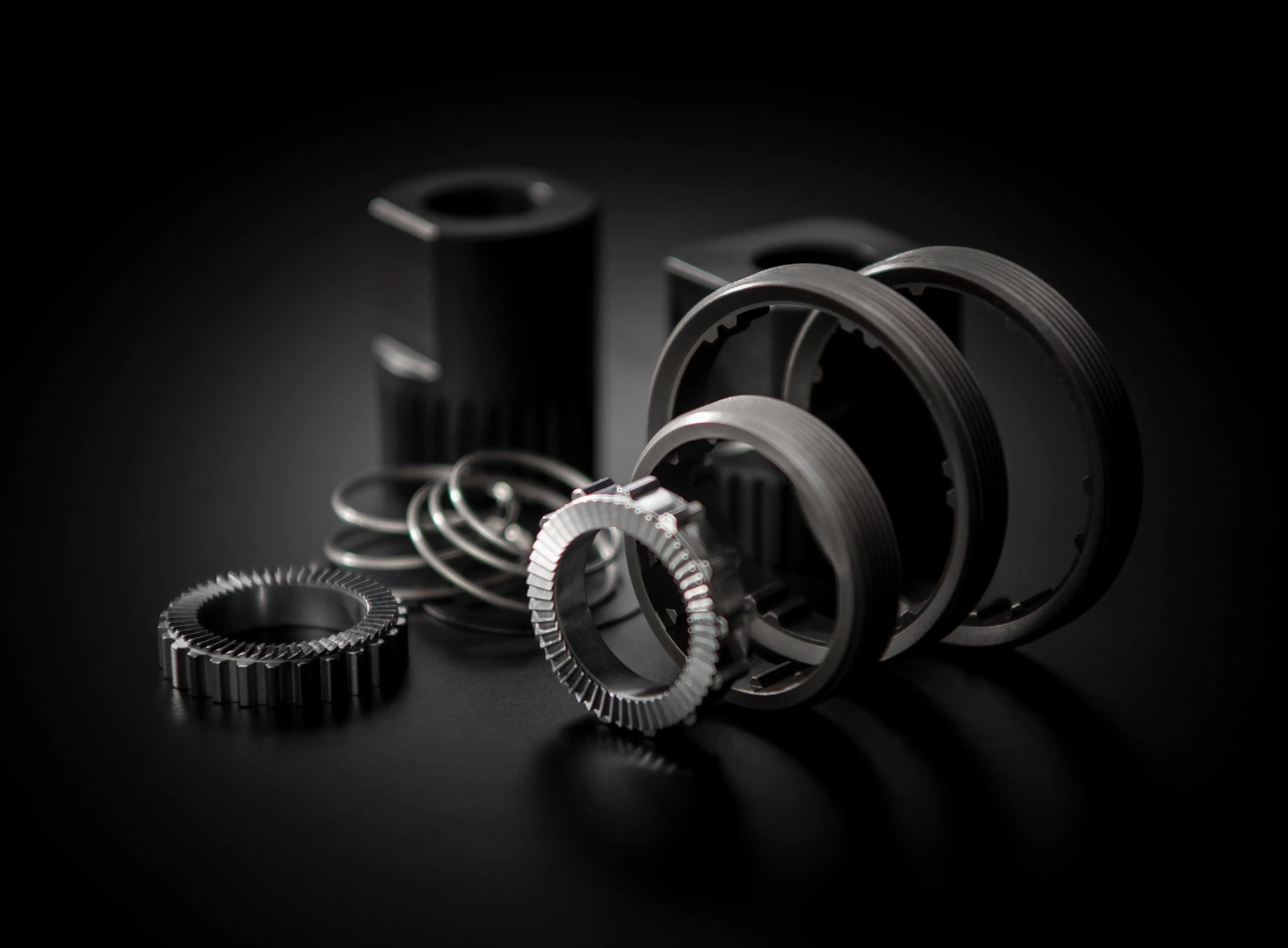
The new Ratchet DF offers two configurations: 0° and 14° of free movement. With 0°, the operation is conventional; when selecting 14°, that margin of rotation appears before the Ratchet system begins to transmit the pedaling.
The kit uses a 54-tooth Ratchet and includes the necessary elements to carry out the conversion: ratchets, threaded ring, springs, and specific grease. It is compatible with DT Swiss 350 Ratchet and 370 Ratchet LN, and is also approved for e-bikes.
An important exception is that it is not compatible with Ratchet EXP hubs.
In this way, DT Swiss brings DF to a much larger installed base and, above all, allows for the upgrade of wheels that are already in circulation without the need to replace the entire hub.
DEG DF Race: up to 40° of freedom before engaging
The second novelty is aimed at those who already use the DEG DF hubs. DT Swiss expands the configuration possibilities with the new DEG DF Race Kit, which takes the available free travel much further.
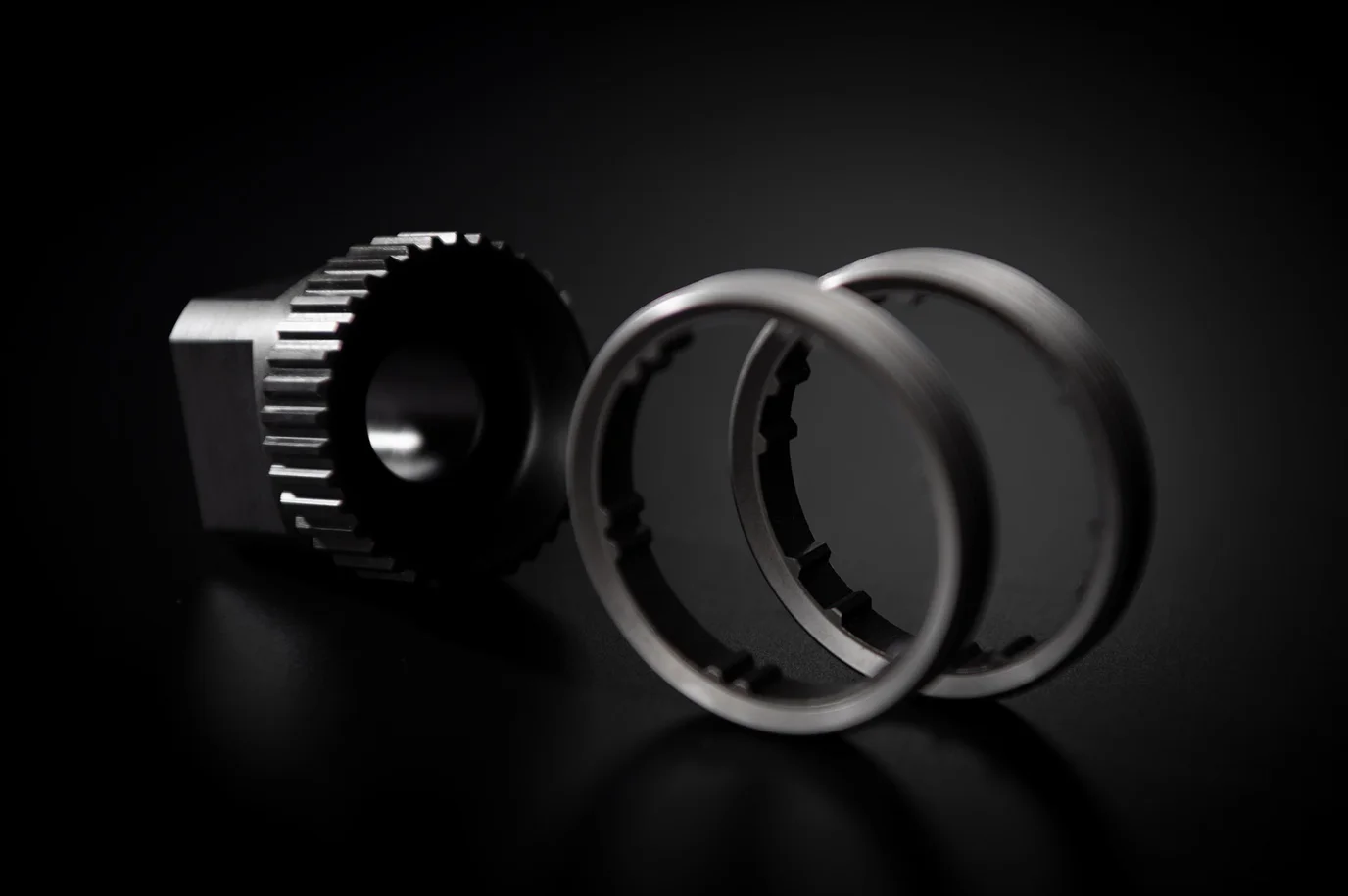
The original DEG DF system allowed for configurations of 0°, 10°, and 20°. The new options add combinations of 0°/40° and 10°/30°.
These are not random figures. DT Swiss targets the 0°/40° kit primarily at downhill, where maximum independence of the suspension can be prioritized during long stretches without pedaling. The 10°/30° is designed especially for enduro, where it is necessary to find a different compromise between freedom of movement and quick response when reapplying power.
The 40° represents a considerable amount of free rotation and makes it quite clear that the goal is not to achieve a reactive transmission, but to allow the suspension to work with the least possible interference in the roughest sections.
Unlike the complete DEG DF kit, the Race Kit acts as an extension for systems that already have DF and provides the necessary threaded rings to obtain the new configurations.
What does DT Swiss really aim to solve with Degrees of Freedom?
Pedal kickback has been generating specific solutions within MTB for years, from devices installed on the cranks to different approaches integrated into the hubs.
In certain suspensions, the effective distance between the rear axle and the chainring varies during the travel. The transmission can then condition the movement of the suspension when the chain is under tension.

DT Swiss's proposal is to shift part of the solution to the hub itself. By introducing a few degrees of free movement in the transmission, a small window is created in which the cassette and wheel can move relatively to each other before the core engages.
It is a particularly interesting solution because it is integrated into the wheel and does not require installing an additional device around the cranks. In exchange, the greater the degree of freedom chosen, the greater the travel of the cranks necessary before reapplying power. That is why configurations like the 40° make sense mainly in gravity disciplines and not so much in situations where accelerations are constantly chained.
DT Swiss also redesigns its 1700 rims
The launch is not limited to the hubs. DT Swiss has taken the opportunity to update three aluminum references from its 1700 family: XR 421, XM 431, and EX 441, aimed respectively at XC, trail/all-mountain, and enduro.
The most evident change is in its new asymmetric section. Shifting the bed of the rim allows for better balancing of the tensions between the spokes on both sides of the wheel, something that DT Swiss takes advantage of to seek a more resistant and stable set.
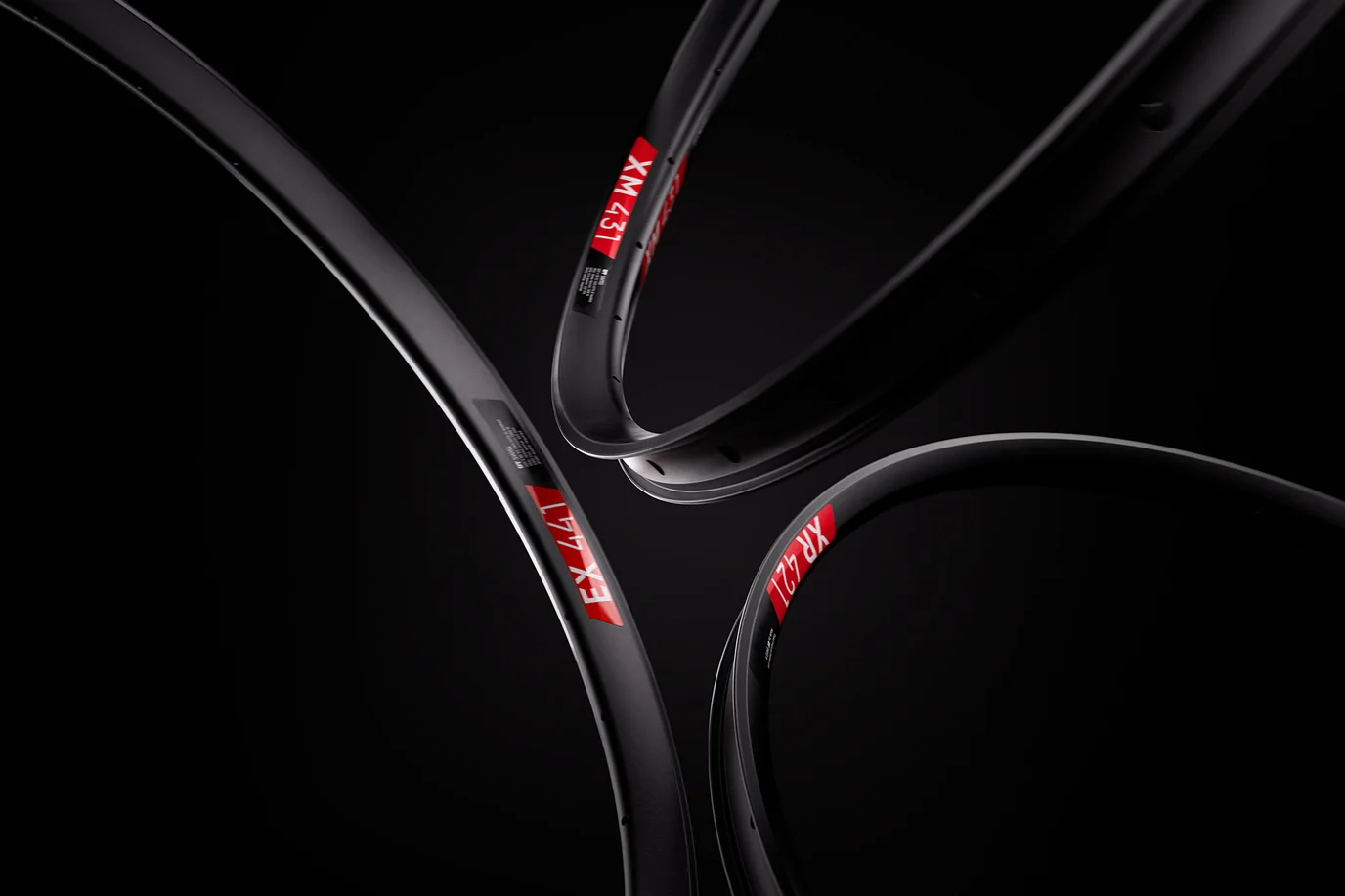
The brand maintains a construction in high-strength aluminum alloy and welded union, but has also worked especially on the contact area between tire and rim.
The upper edge of the wall is now wider. DT Swiss calls this solution Anti Tire-Rim Damage and its goal is to better distribute the loads during an impact to reduce the risk of damaging or cutting the tire against the rim itself.
Additionally, the geometry is designed to favor a more controlled deformation of the rim under strong impacts, seeking that a dent does not necessarily imply an immediate loss of air in a tubeless setup. A particularly interesting feature in competition, where maintaining sufficient pressure can make the difference between continuing or having to stop.

A more pronounced highlight also appears on the surface where the tire bead sits. With it, DT Swiss aims to improve tubeless sealing, increase the lateral support of the tire, and make it harder for the bead to move towards the central channel during strong supports, thus reducing air loss due to burping.
The new rims are organized as follows:
- DT Swiss XR 421: cross-country.
- DT Swiss XM 431: trail and all-mountain.
- DT Swiss EX 441: enduro and more aggressive uses.
More information on the official DT Swiss website.
También puede interesarte
Bike Equipment
Speed sensor in 2026? DT Swiss and Wahoo think it still makes sense
Road
UAE cools talk of an early Pogačar comeback
Bike Equipment
Santini welcomes autumn with the latest from Polartec: cycling kit for when the weather turns
Road
“It was probably the best decision of my life”: Pidcock stands by his decision to leave INEOS and names his World Championship favourites
Road
Ciccone and Pidcock could be teammates in 2027 as the Italian negotiates his exit from Lidl-Trek
Mountain bike
