"Cycling is free": the emphatic response to those who propose charging to watch the Tour live
A few days ago, in his participation in a podcast, former cyclist Jerome Pineau suggested the idea of charging for access to the final climbs of the stages. It didn't take much more for the debate on social media to gain momentum like a snowball. To the point that ASO itself had to deny that something like this is being considered.

ASO denies any intention to charge for viewing the mountain finishes of the Tour de France
How many times have we heard that cycling is not a sport of great relevance because there is no entry fee? This is when the reality is that, if something has historically made cycling popular, it is that the masses could approach the roadside to see, even if only for a few seconds, their idols up close. Cyclists are characters capable of superhuman feats.
However, even cycling and its popularity have not been immune to the search for monetizing any activity that prevails today. Just last summer, the director of Visma-Lease a Bike hinted in statements during the Tour de France that one way to reduce danger on the final climbs could be to charge for access, so there would be fewer spectators at the roadside.
RECOMENDADO
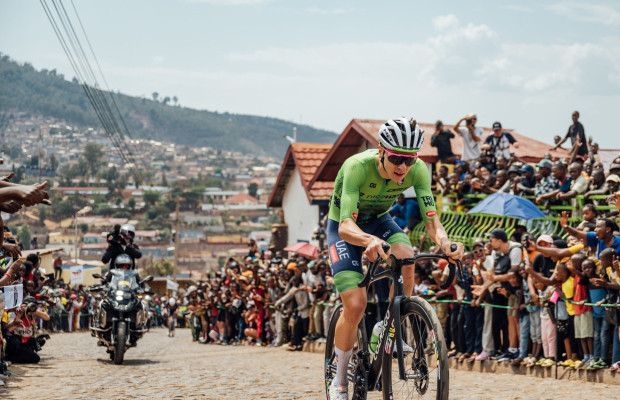
Why does Pogacar attack while sitting?

Cycling shorts vs underwear: ultimate guide to not ruining your outings
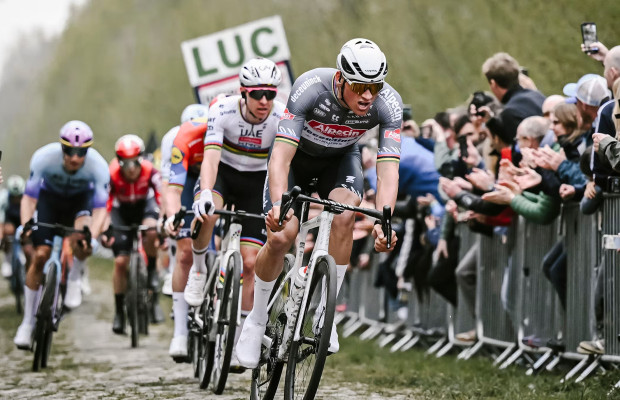
What are the five monuments of cycling?
How much time would a professional cyclist take out on an amateur in a race?
The calorie trap: eating less does not always mean losing weight
Why do most cyclists wear their glasses outside their helmets?
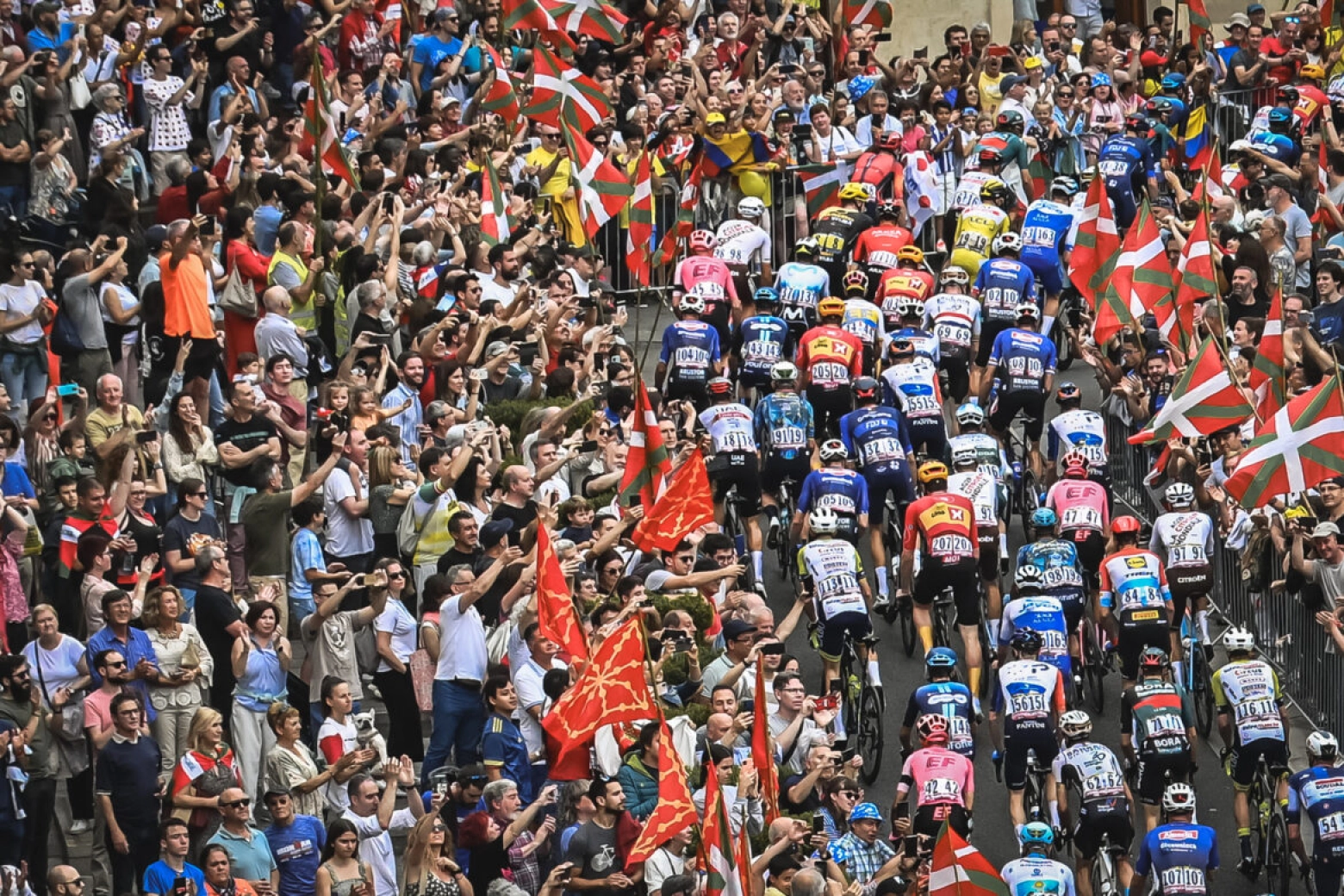
A few days ago, the topic resurfaced when former cyclist Jerome Pineau expressed in a podcast, “Let’s close the last five kilometers of this climb, let’s privatize it! This way we could charge an entry fee. Let’s also invite VIPs! Let’s create something to make money!” This opinion, unlike that of Plugge, which went largely unnoticed, has generated significant uproar at a time, out of season, when everyone is eager for any news related to competitive cycling.
The first to speak out on the matter was the president of the UCI, David Lappartient, who did not support the measure, appealing to the rejection that something like this would generate among fans, especially for the French audience of the Tour de France, for whom this event is more than just a bike race. In fact, Lappartient even compared the possible reaction of French fans to such a measure with the protests of the yellow vests when the government tried to raise the retirement age in France.
ASO has also spoken out through one of its deputy directors, who was emphatic in expressing the opinion of the Tour de France organizer: “Cycling is free by definition. The introduction of ticket sales is completely ruled out.”
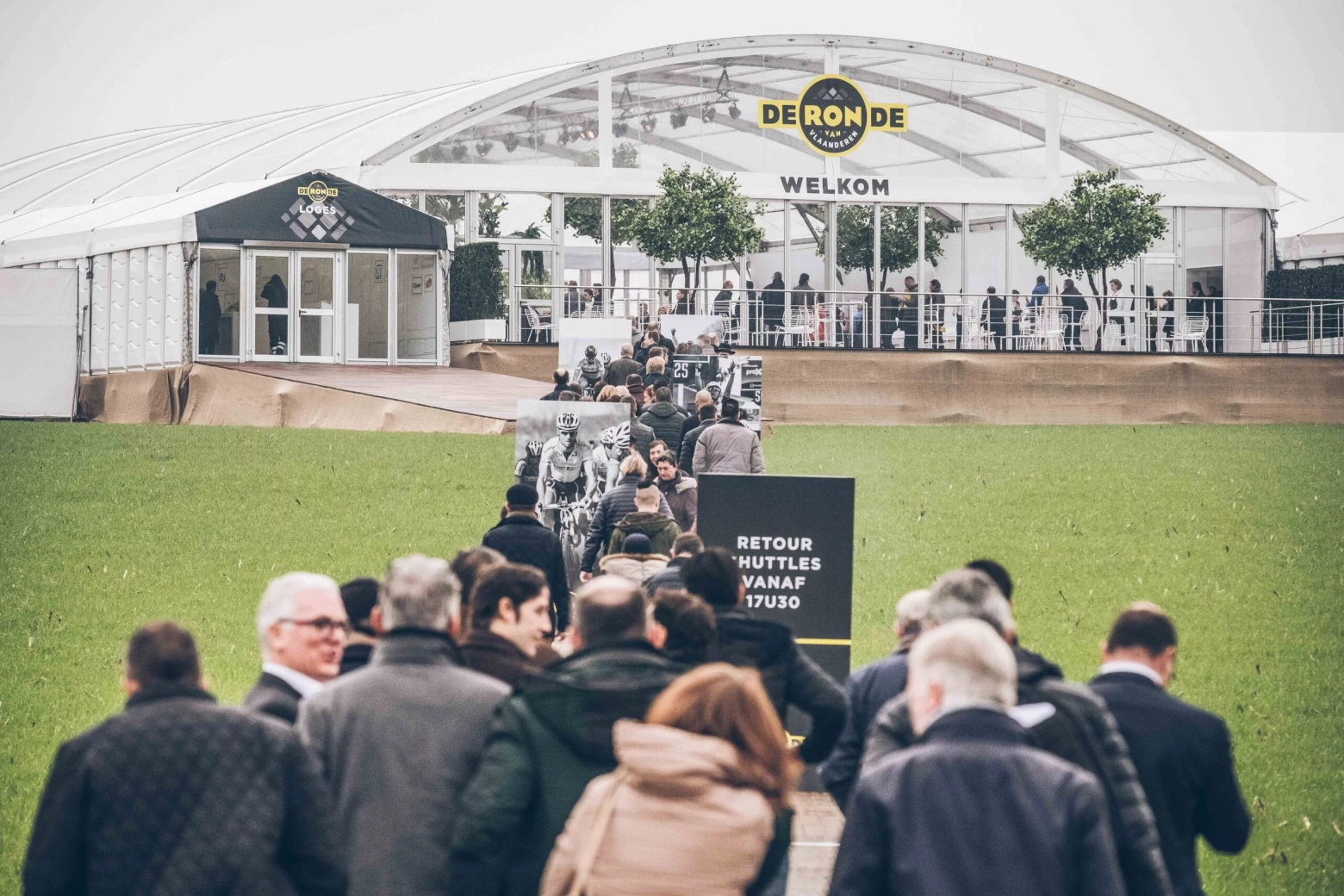
It is curious how solid these statements are, especially when we are in the middle of cyclocross season, where the public must pay an entry fee to access the circuits. Although it is also true that, especially in Belgium, the country where this sport has the most relevance, cyclocross during the winter has a following similar to that of football leagues in other countries, and the races become a true festival that goes beyond the event itself.
A similar situation occurs, also in Belgium, during the Flemish classics, where the organization of Flanders Classic, for several years now, has set up VIP tents next to the most spectacular sections. These tents are a total party, with music, plenty of beer, and the opportunity to watch the race in iconic places like Oude Kwaremont, where cyclists pass up to three times in the case of the Tour of Flanders, and it is also where the outcome of the race usually occurs.
También puede interesarte
Road
Why does Pogacar attack while sitting?
Bike Equipment
Cycling shorts vs underwear: ultimate guide to not ruining your outings
Road
What are the five monuments of cycling?
Training
How much time would a professional cyclist take out on an amateur in a race?
Nutrition
The calorie trap: eating less does not always mean losing weight
Road