Cramp, rupture, or overload? Learn to identify each muscle injury
Although cycling is not a sport, due to the lack of impact in the sporting gesture, which makes it very prone to injuries, it is true that when we train with intensity and demand a little more from our bodies every day, we are never exempt from suffering one. Among the possible injuries, muscle injuries are often the ones that cause the most trouble. We explain how to differentiate a true injury from something milder and associated with effort.

Don't let muscle injuries take you out of the game
As we mentioned, in cycling, it is not especially common to suffer serious muscle injuries. In most cases, they are limited to cramps or strains that usually occur when we push our legs beyond what our training allows, especially if combined with hot or excessively cold days and our hydration has not been the best.
A condition that tends to be more common in the muscles located between two joints, such as those in the legs. Who hasn't raised their hand after suffering a cramp in the calf or quadriceps after many hours of pedaling? Similarly, accumulated effort can leave certain areas of the muscles inflamed and sore. Surely those of you who have trained for competition know perfectly the feeling when microcycles of high load occur. The difference between a cramp and overexertion is that the former occurs suddenly, while the latter is the result of prolonged effort.
RECOMENDADO
It makes them gain weight, but professional cyclists do not give up this supplement

The most reliable method for determining how many calories you burn while cycling

How to know what is making noise on your bike and how to fix it

The highest-paid cyclists in the world in 2026: Pogacar continues to lead the ranking.

SCOTT Spark RC 2026 Range: updated models, prices, and weights

When do helmets have to be changed? Do they have an expiration date?

In these cases, although the muscle may be sore and affect our pedaling ability, it does not pose a serious issue and can be recovered with stretching, rest, and the help, for example, of the anti-inflammatory effect of applying ice and, of course, the skilled hands of our trusted physiotherapist.
When to worry is when we suffer the dreaded muscle tear. A sudden injury identified by intense and sudden pain, like a stab or a bite in the muscle. Depending on its severity, it can be a micro-tear that allows us to continue the activity or something more serious that directly incapacitates us from continuing to pedal. It is often easy to identify because, as hours pass, it is accompanied by a bruise, a result of the rupture of blood vessels around the affected area.
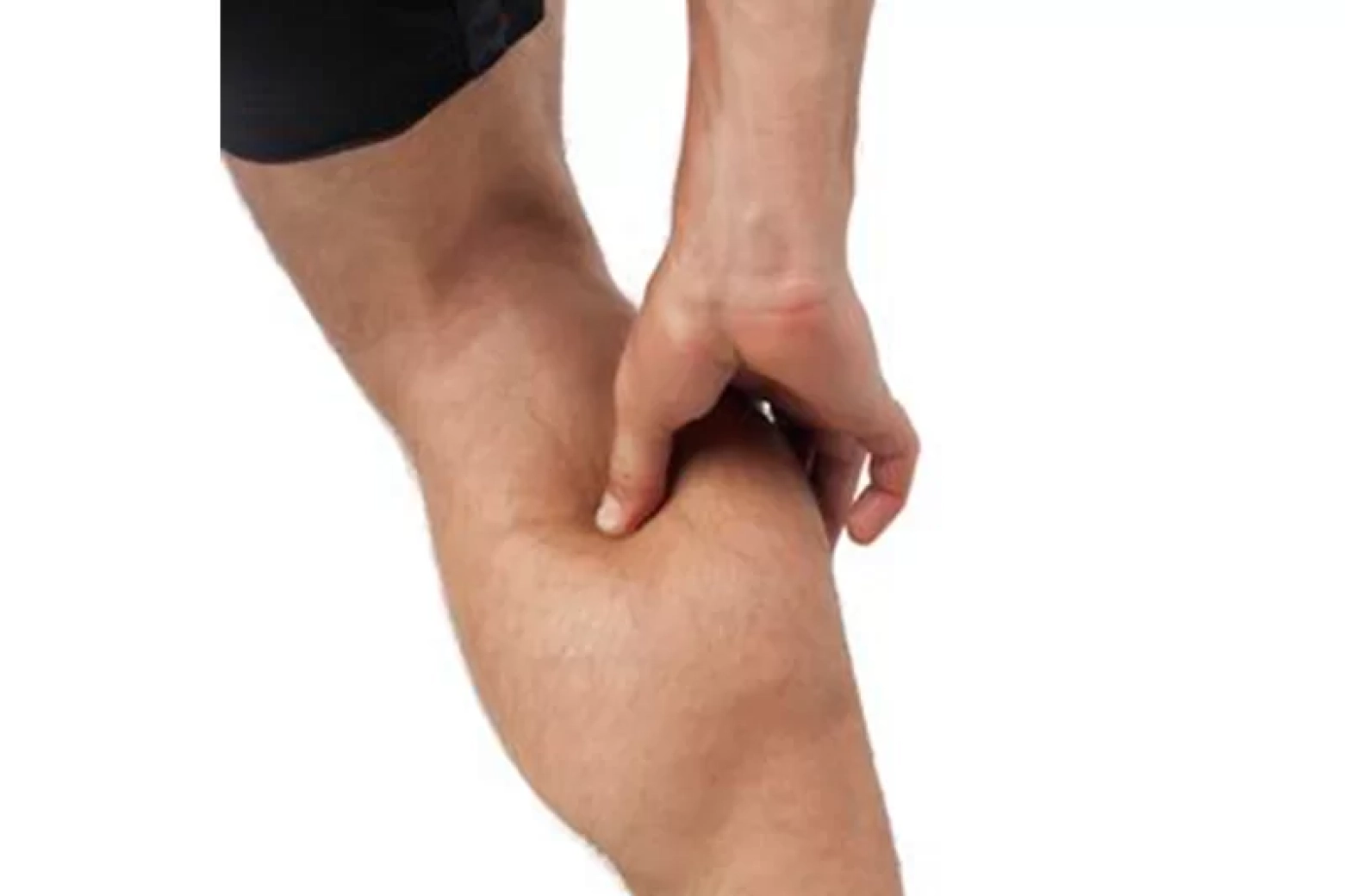
Muscle tears often come associated with a lack of proper warming up or performing intense efforts when the muscles are already overloaded and have not been allowed to recover adequately. Additionally, if we have suffered a tear in the past, the area where it has healed is a candidate to become a point of rupture for muscle fibers again.
As is often the case with injuries, it is better to prevent than to cure. Engaging in activities appropriate to our training, not going full speed without warming up beforehand, and maintaining good recovery practices between training sessions, especially if there has been high intensity, will be key factors in preventing muscle tears. Even so, if it happens, we will have to be on the sidelines for a while, especially the more serious it has been, and resort to techniques like physiotherapy to promote a good recovery from the injury that allows us to get back to pedaling as soon as possible.
También puede interesarte
Road
It makes them gain weight, but professional cyclists do not give up this supplement
Nutrition
The most reliable method for determining how many calories you burn while cycling
Mechanics
How to know what is making noise on your bike and how to fix it
Road
The highest-paid cyclists in the world in 2026: Pogacar continues to lead the ranking.
Mountain bike
SCOTT Spark RC 2026 Range: updated models, prices, and weights
Bike Equipment