Cavendish also criticizes the current cycling model and aims to create his own team
Just yesterday, we learned about the criticisms from Wout van Aert regarding the funding model that governs cycling, which has remained practically unchanged since the dawn of competition in the early 20th century. These criticisms are echoed almost identically by Mark Cavendish, who becomes yet another voice in the increasingly large chorus calling for a change in the way cycling is organized.

Mark Cavendish joins the voices calling for changes in cycling
Making cycling “more like other sports.” That is the desire expressed by former cyclist Mark Cavendish in an interview with an Australian media outlet, where, like others recently, he has advocated for a profound reform of the economic model of cycling, as according to the Isle of Man cyclist, “there are sources of income that are not being updated properly.”
These criticisms again point to what many see as an endemic problem associated with cycling: that teams have almost exclusively relied on the contributions of their sponsors for income, and that cyclists are merely employees beyond any personal sponsorships they may have. This situation turns the athlete into little more than a moving billboard.
RECOMENDADO
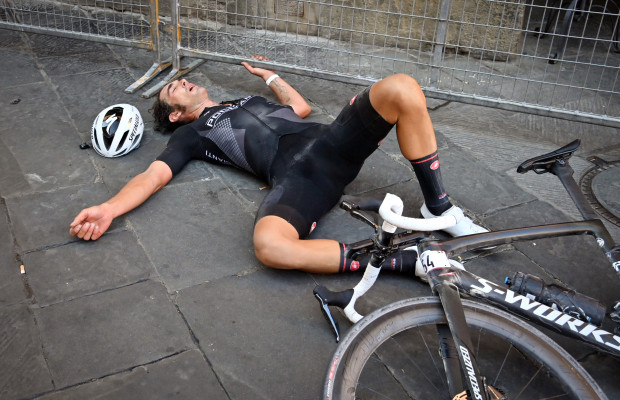
When to skip training and rest without feeling guilty
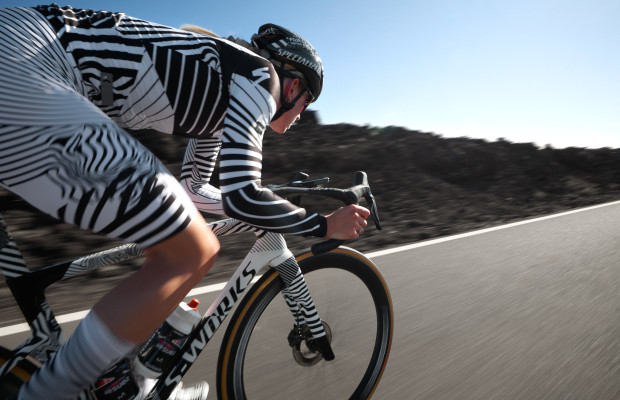
Free aero gains for your bike: small changes that make you faster
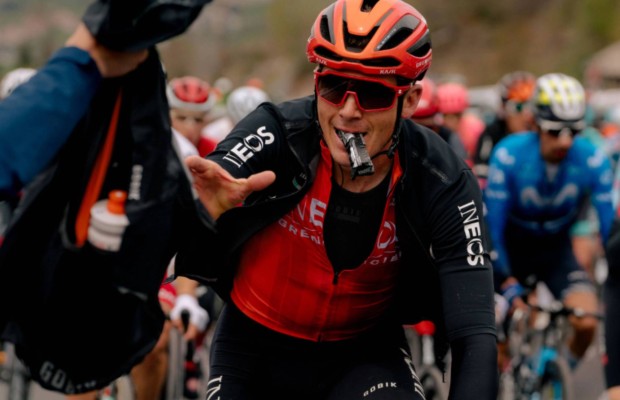
More power, less fatigue: how nitrates could help you on the bike
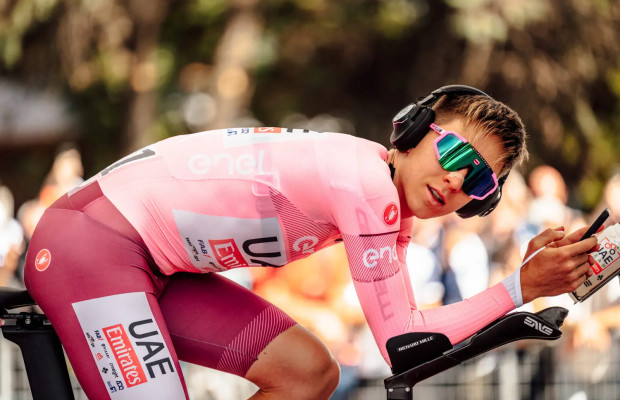
An indoor trainer can do more for your training than you think: here are 7 reasons to own one
What do the colours of the rainbow jersey mean, and who was the first World Champion?
How much prize money does La Vuelta 2026 offer? Here’s what Enric Mas has earned and how it compares with the Tour and Giro

In fact, Mark Cavendish hinted in the interview that he would like to have his own team someday, but not under a model like the current one, rather in a reformed cycling world that resembles, for example, Formula 1, a sport of which the Brit is a big fan.
However, attempts like the OneCycling super league or establishing VIP zones at races where the public could access by paying an entry fee repeatedly fall on deaf ears in the face of a sport that, as we mentioned earlier, maintains structures that have been practically unchanged since its origins, where sponsors and race organizers hold the control.

Mark Cavendish also criticized the attitude of many riders who, for him, “are not doing enough to earn money on their own,” in a clear allusion to the passivity of cyclists who, while active, tend to live in their bubble where they only have to worry about training and competing.
También puede interesarte
Training
When to skip training and rest without feeling guilty
Road
Free aero gains for your bike: small changes that make you faster
Nutrition
More power, less fatigue: how nitrates could help you on the bike
Training
An indoor trainer can do more for your training than you think: here are 7 reasons to own one
Road
What do the colours of the rainbow jersey mean, and who was the first World Champion?
Road
