Can Red Bull save Rapha? The brand that changed the way of dressing in cycling receives almost 18 million euros
For years, Rapha was much more than a cycling clothing brand. It changed the aesthetic of many cyclists, turning cycling into a lifestyle and attracting an audience that was not necessarily looking to compete. But the success of that formula also opened the door to numerous competitors. Now, after years of losses, the British firm faces a new stage with its return to the WorldTour alongside Red Bull-BORA-hansgrohe and a new capital injection of nearly 18 million euros.
Rapha changed cycling, but cycling also changed Rapha
When Simon Mottram founded Rapha in London in 2004, cycling clothing was dominated by an aesthetic closely linked to competition. Brightly colored jerseys, large logos, and designs that imitated the outfits of professional teams.
Rapha proposed something different. Quality garments, minimalist designs, sober colors, and an image that reclaimed part of the classic elegance of cycling. The brand made many enthusiasts want to dress like cyclists without needing to look like professional racers.
RECOMENDADO
Rapha hires a jellyfish expert to develop Evenepoel’s kit for 2027
Rapha will kit out Red Bull-BORA-hansgrohe in 2027, returning to the WorldTour alongside Evenepoel
Visma takes a step back and the team will change its name in 2027
Roglič was on the verge of announcing his retirement when he signed for NSN Cycling Team
Pogačar’s first contract was worth €60,000 a year: “If you win the Tour de l’Avenir now, you sign for €300,000”
Cycling aims to put an end to controversial last-minute neutralizations at the Giro, Tour and Vuelta
But its influence went far beyond clothing. Rapha helped promote a different way of understanding cycling, where riding a bike also meant socializing, discovering places, having coffee with friends, and being part of a community. Its stores became meeting points, and the Rapha Cycling Club, founded in 2015, solidified that philosophy.
Cycling ceased to be exclusively a sport defined by watts, results, and competition. It could also be a social activity where design, experience, and belonging to a group had their own value.
The problem for Rapha was that the idea worked so well that it soon ceased to be exclusive.
Brands like MAAP or Pas Normal Studios, among many others, began to compete for that same audience. Careful design, exclusive collections, and contemporary aesthetics ceased to be a unique identity of Rapha and became a fundamental part of the premium cycling clothing market.
Rapha had contributed to creating a market in which it now had to compete with many other brands. And, as these gained ground, its economic situation began to deteriorate.
Nine years of losses and a crisis that seems endless
In October 2024, we already warned at Brújula Bike about Rapha's delicate situation. The company had accumulated seven consecutive years in the red, and questions about its future were beginning to multiply.
Two years later, the accounts still show no clear signs of recovery.
According to the latest results from the Carpegna group, owner of Rapha, for the fiscal year ending January 25, 2026, revenue fell by about 8%, down to approximately 106 million euros, compared to about 115 million in the previous year.
Even more concerning is the evolution of net losses, which rose from about 18.7 million euros to 30.3 million euros in just one fiscal year.
Sales declined across all geographic markets in which the group operates, including Europe, the UK, North America, and Asia-Pacific.
Rapha has tried to contain the situation through a restructuring of its business, which has included store closures, cost-cutting, and changes in its management. In September, Fran Millar, who had taken over as CEO in 2024, also left the company.
The brand has now accumulated nine consecutive years of losses and needs more than just to regain its prestige. It needs to sell enough to sustain a business model that has relied on its premium positioning for years.
Almost 18 million euros more to keep the recovery alive
Amid this scenario comes important news for Rapha's future. According to Peter Stuart in Velora Cycling, based on documentation filed with the British Companies House, Rapha Racing Ltd received a new capital contribution of approximately 18 million euros.
The operation took place on October 20, 2026, through the issuance of 15 million new ordinary shares at one pound each. The documentation was officially filed on November 23, just days after the announcement of its agreement with Red Bull-BORA-hansgrohe.
The new shares represent about 30% of Rapha Racing's capital after the expansion. And this is not the first time its owners have provided funds to sustain the business.
In May 2025, Carpegna secured another 24 million euros from its investors, which were entirely allocated to Rapha Racing to strengthen its finances and support its recovery plan. In June 2026, a new round of investment was also offered to existing shareholders, although the amount raised has not been disclosed.
Behind Rapha are still brothers Steuart and Tom Walton, grandsons of the founder of Walmart, whose investment firm RZC Investments acquired control of the brand in 2017.
For now, there are two important aspects that remain unknown: the identity of those who subscribed to the new shares in October and the specific destination of those funds. There is also no confirmation that the operation is directly related to the new sponsorship of Red Bull-BORA-hansgrohe.
What these expansions do show is that there continues to be financial backing to try to keep the company afloat.
Red Bull can give Rapha something it had lost
On November 17, Rapha announced its return to the WorldTour as the clothing supplier for Red Bull-BORA-hansgrohe starting in 2027.
The brand will return to the top category after spending 2026 without a WorldTour team, following the end of its collaboration with EF Pro Cycling at the end of 2025.
Its new partner is not just any team. The Red Bull-backed structure features figures like Remco Evenepoel and Florian Lipowitz and, above all, a brand that has proven its ability to take the sport far beyond competition.
Ralph Denk, the team's top official, specifically acknowledged Rapha's historical role during the announcement of the agreement.
"Rapha has shown in the past that it can change the image of cycling. It was a revolutionary brand that introduced lifestyle into this sport and managed to reach completely new audiences", Denk explained in the official statement from Red Bull-BORA-hansgrohe.
But the new agreement may also represent a significant change in Rapha's strategy.
If for years its main selling point was design and cycling culture, it now wants to reinforce its image as a manufacturer of high-performance clothing.
To achieve this, it will work with Dan Bigham, head of engineering at Red Bull-BORA-hansgrohe, and leverage its collaboration with USA Cycling, which has among its goals the Los Angeles 2028 Olympics.
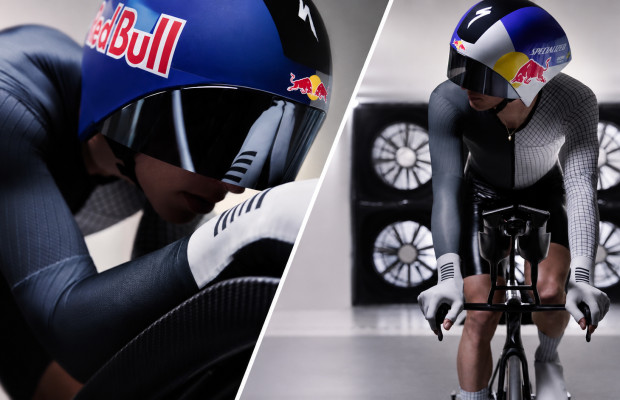
The project has already begun to take its first steps with the development of aerodynamic suits specifically for the team's riders and testing in Specialized's wind tunnel in California.
Joel Natale, Rapha's product director, has summarized the ambition of the project with a very clear statement: "Our goal is to create the fastest equipment in the world."
The intention is to later transfer some of the technical advances achieved with riders like Evenepoel or Lipowitz to the garments available for other cyclists.
Will it be enough to save Rapha?
The alliance with Red Bull comes at a time when Rapha needs to regain its commercial identity without giving up what made it different.
The company already demonstrated with Team Sky that it could associate its clothing with maximum sports performance and, later, with EF Pro Cycling, that it could also revolutionize the aesthetics of the professional peloton.
Now it has the opportunity to bring together both facets, the design that made it famous and the technology demanded by elite cycling.
However, returning to the WorldTour does not guarantee that sales will recover. The premium cycling clothing market is now much more competitive than it was a decade ago, and Rapha can no longer rely solely on the prestige of its name.
The nearly 18 million euros from the latest capital increase provide new financial backing, while Red Bull offers an international showcase and the possibility of developing products with different technical arguments.
The big challenge will be to convert all of that into sales and, ultimately, profits.
También puede interesarte
Road
Rapha hires a jellyfish expert to develop Evenepoel’s kit for 2027
Bike Equipment
Rapha will kit out Red Bull-BORA-hansgrohe in 2027, returning to the WorldTour alongside Evenepoel
Road
Visma takes a step back and the team will change its name in 2027
Road
Roglič was on the verge of announcing his retirement when he signed for NSN Cycling Team
Road
Pogačar’s first contract was worth €60,000 a year: “If you win the Tour de l’Avenir now, you sign for €300,000”
Road
