Why is cyclocross in fashion?
During the last decade, cyclocross has been gaining popularity beyond the borders of Belgium and the Netherlands, places where it has always been a genuine passion on par with football, to the point of even considering its inclusion in the Olympic program of the Winter Games. These are the keys that make this muddy discipline so attractive.
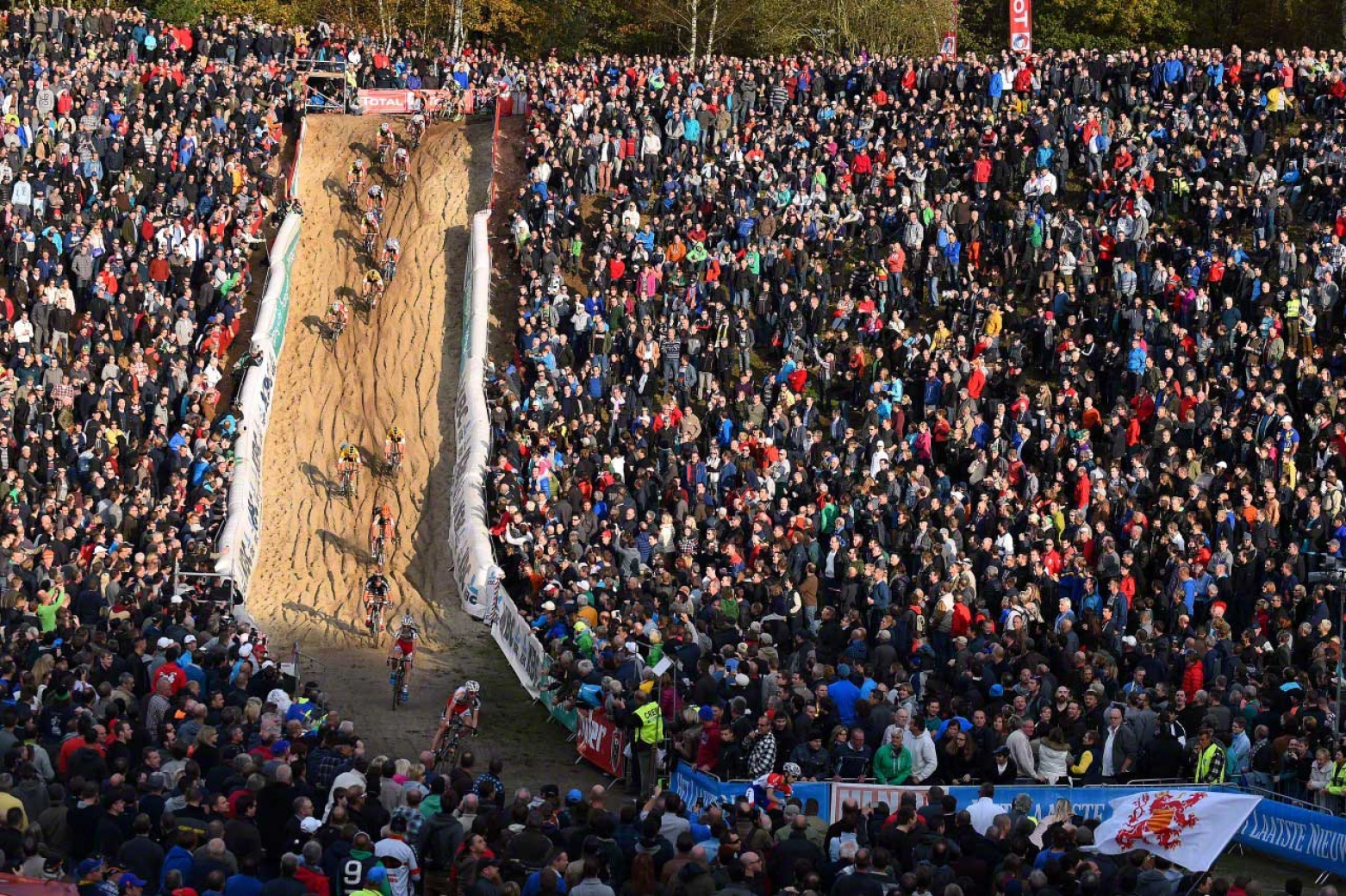
High-intensity cycling concentrated in one hour, this is what makes cyclocross addictive
Until a few years ago, for road cycling enthusiasts, the arrival of October meant the beginning of several months in which we were left completely orphaned of cycling, longing for the arrival of the Tour Down Under and the start of the new season with nothing more to hold on to than the replays of the season's top races that television usually schedules during the Christmas holidays.
But that has changed recently, and weekends have renewed our passion for cycling thanks to cyclocross races, a discipline almost as old as cycling itself that, however, outside the borders of Belgium and the Netherlands has not enjoyed great following until a few years ago.
RECOMENDADO
Cobblestones, mud, and legend. Why cycling never abandoned the cobblestones
Boost your watts, boost your level: that's how you improve your FTP
What are the five monuments of cycling?
The most reliable method for determining how many calories you burn while cycling

The highest-paid cyclists in the world in 2026: Pogacar continues to lead the ranking.
SCOTT Spark RC 2026 Range: updated models, prices, and weights

Attention surged to the general public when the intense battles that Mathieu van der Poel and Wout van Aert began to provide made the muddy discipline emerge from the realm of the four cycling enthusiasts who had to find ways to follow the broadcasts of the races. Now, it is common to see on television the most relevant events of the calendar, and names like Vanthourenhout, Nys, Iserbyt, Nieuwenhuis, or, why not, Felipe Orts are no longer unknown to the average cycling fan.
But, what makes cyclocross so attractive for those watching it for the first time? Essentially, it could be summed up in one word: intensity. In cyclocross races, unlike what happens on the road, there is no room for downtime. From the very start until they cross the finish line, cyclists pedal practically at maximum effort, with no margin for error or a moment to catch their breath.
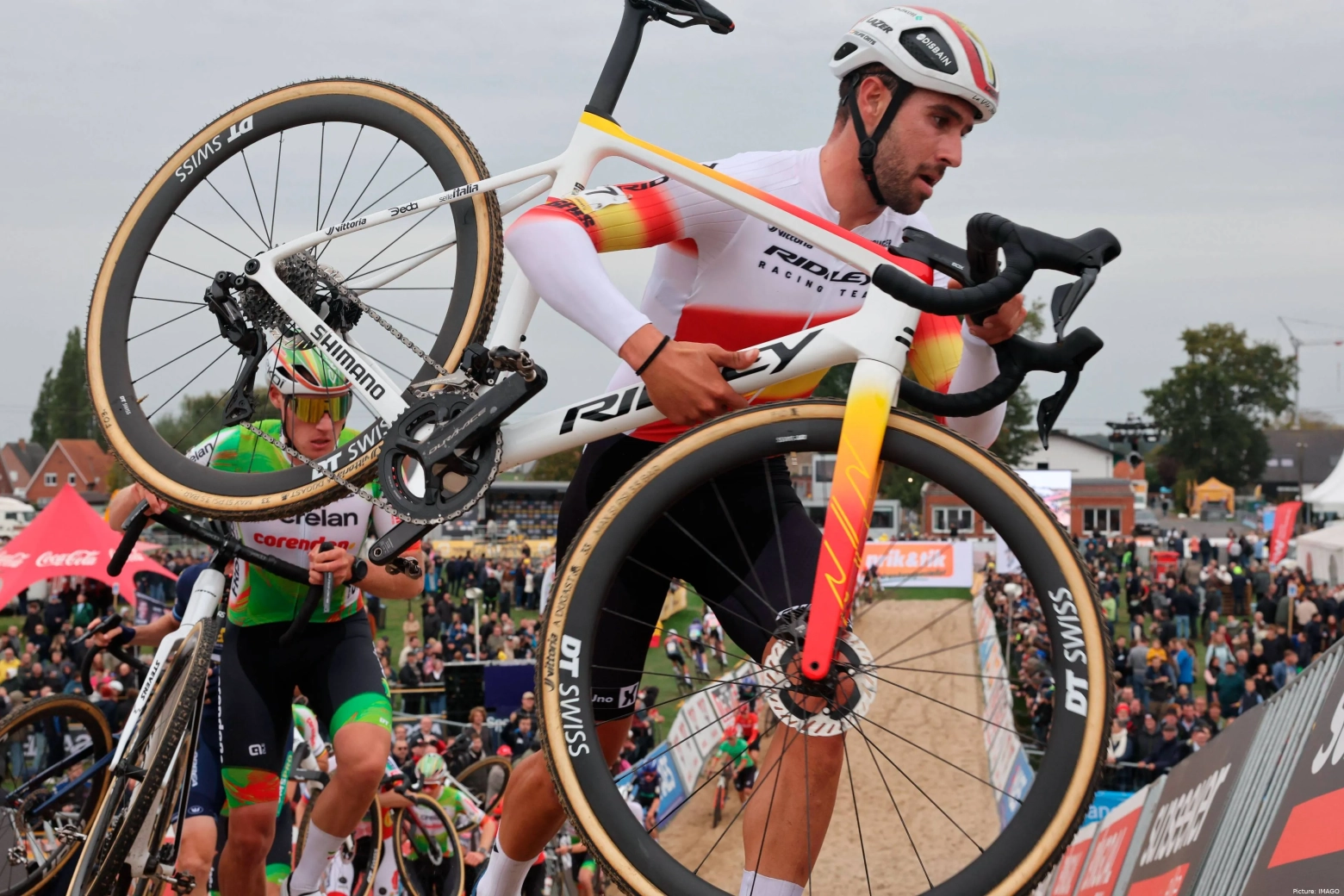
Races that, by regulation, have a duration of around 1 hour for men and about 45 minutes for women, counting the races with a variable number of laps on a relatively short circuit, around 3 kilometers. The number of laps is determined by the judges based on the lap time of the cyclists after completing the first two, so that the final duration of the race approaches the established times as closely as possible.
The circuits themselves are another major attraction of this discipline. Extremely winding courses with constant accelerations and decelerations. Circuits where, except for exceptions, mud is usually the protagonist of the discipline, and where, to honor the name of the discipline, technical obstacles, whether natural or artificial, such as planks or stairs, are included, which in many cases force the cyclist to dismount from the bike and run with it on their shoulder, proving to be as relevant as the ability to pedal.
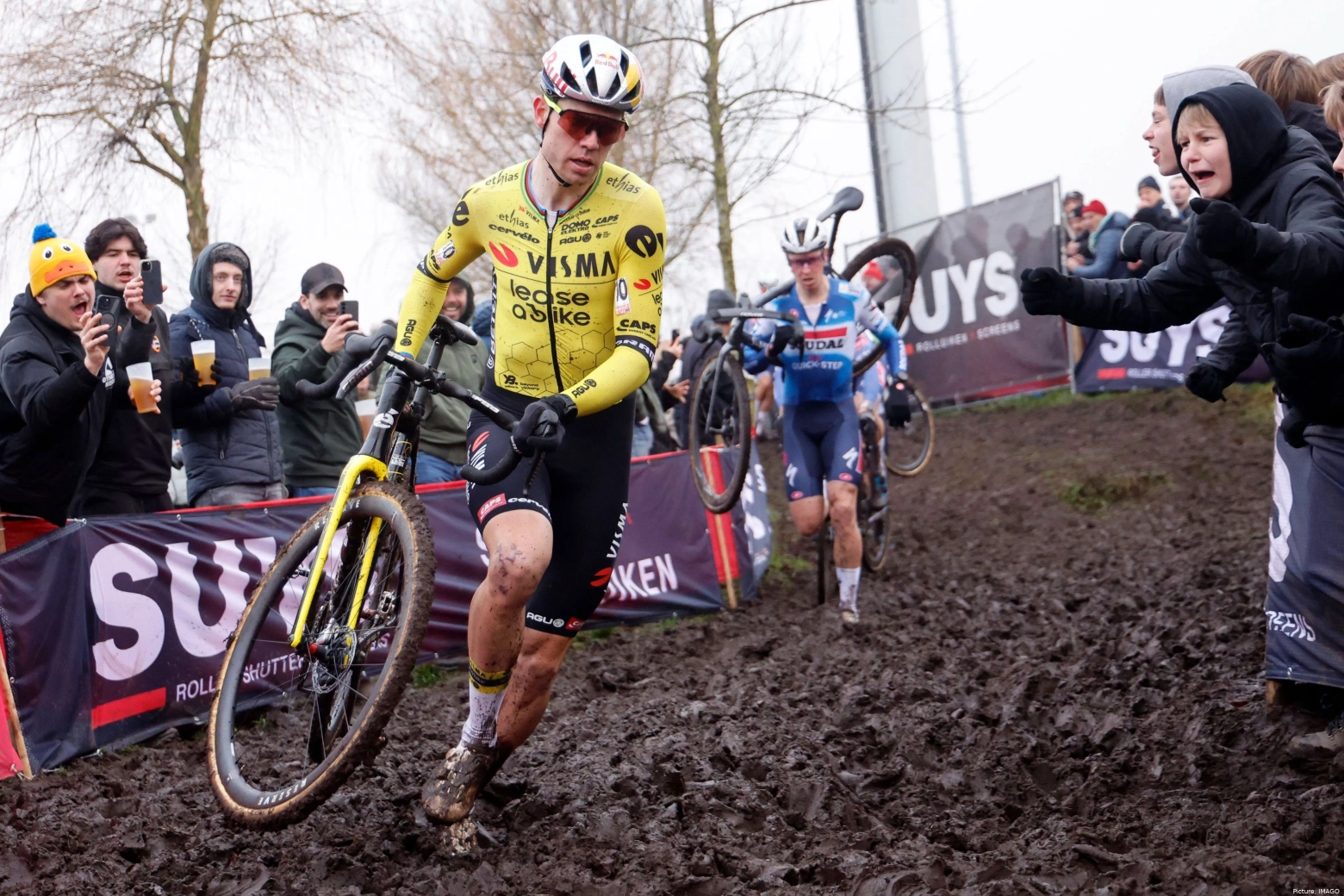
This intensity and the appeal of the circuits make cyclocross a very television-friendly discipline as it does not require too much attention time from the viewer, and in that hour of duration, it offers a constant spectacle with multiple alternatives since, except on rare occasions, or when the big stars make their appearance in competition, races are usually not decided until the final moments of the event.
And beyond television, if you ever have the chance to attend a race in Belgium, you can find a good approximation at the World Cup in Benidorm, as cyclocross there takes on a new dimension. A discipline that is experienced there with the same intensity as a highly competitive football match, in circuits that become a real party with music, trucks serving fries, waffles, and, of course, plenty of Belgian beer.
También puede interesarte
Road
Cobblestones, mud, and legend. Why cycling never abandoned the cobblestones
Training
Boost your watts, boost your level: that's how you improve your FTP
Road
What are the five monuments of cycling?
Nutrition
The most reliable method for determining how many calories you burn while cycling
Road
The highest-paid cyclists in the world in 2026: Pogacar continues to lead the ranking.
Mountain bike