We tested the new Lazer Impala KinetiCore, dual-core safety for modern trail riding
Lazer, following the success of its KinetiCore technology, takes it a step further with the new Impala. We had the opportunity to test it and see if its new DualCore technology is noticeable in action and if it justifies its price in the competitive high-end range.
We tested the Lazer Impala KinetiCore
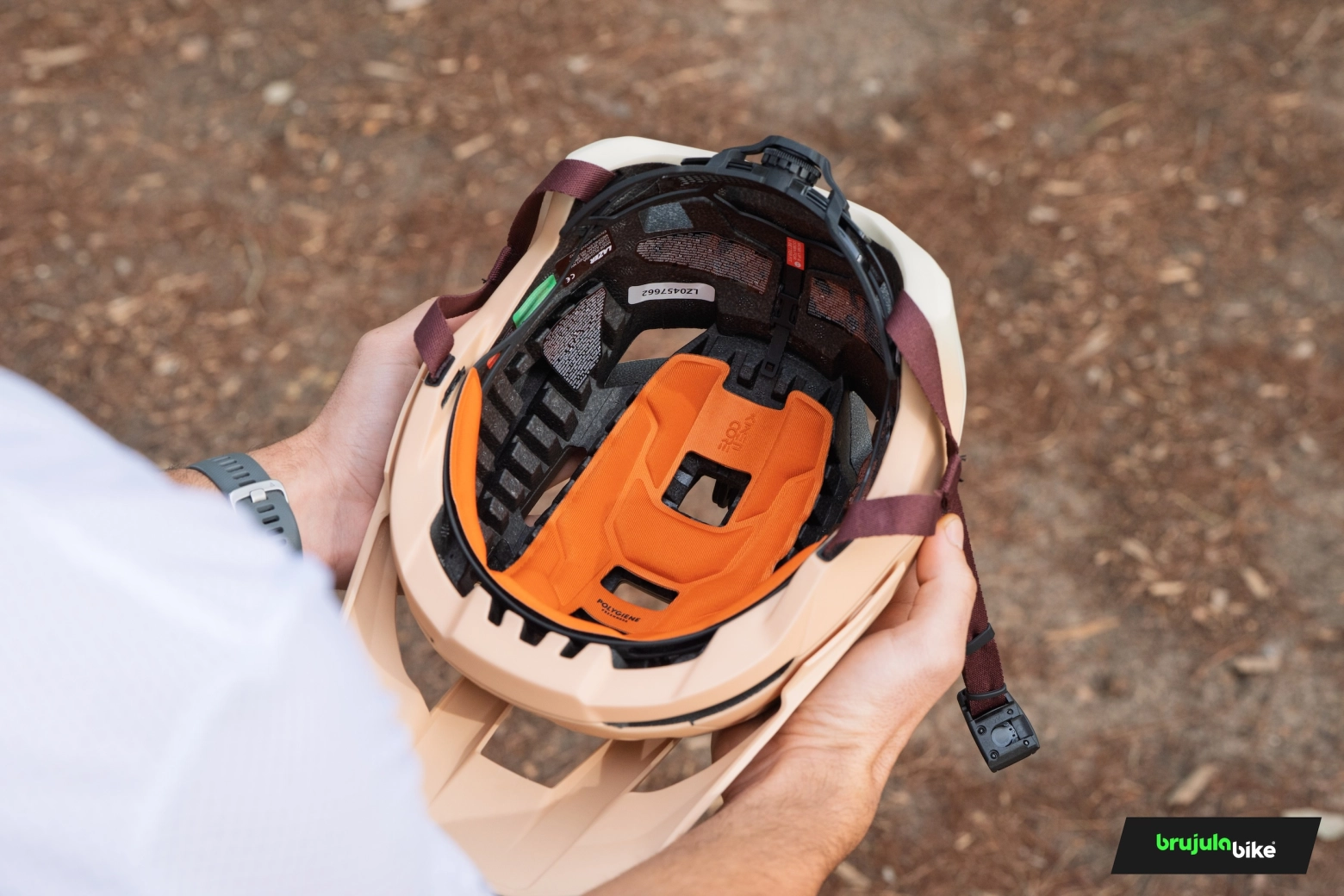
When you take the new Impala KinetiCore out of the box, the first thing you notice is that it is a "substantial" helmet. Weighing 370 grams on our scale (size M), it doesn't aim to be the lightest but rather to convey the necessary solidity for Trail and light Enduro. The matte finish (in our case, the Matte Coral Peach color) and the quality of the plastics are at the level we expect from a helmet priced at 199.99 €.
But what matters is not how it looks in hand, but what it hides inside and, above all, how it performs when worn and rolling for hours. We put it to the test on our usual e-bike routes to see if the DualCore technology changes the game.
RECOMENDADO
Cobblestones, mud, and legend. Why cycling never abandoned the cobblestones

Boost your watts, boost your level: that's how you improve your FTP
What are the five monuments of cycling?

The most reliable method for determining how many calories you burn while cycling

The highest-paid cyclists in the world in 2026: Pogacar continues to lead the ranking.
SCOTT Spark RC 2026 Range: updated models, prices, and weights
When we put on the helmet, the feeling is familiar for those who have used Lazer recently, but with nuances. The TurnSys retention system (the rear wheel) works with millimetric precision, but what really stands out is the floating headband.
Unlike other helmets where you feel the pressure points of the structure, here the fit is very uniform around the entire skull. It is a deep helmet that sits quite low in the occipital and temple areas, giving that "protective hug" feeling we look for in a Trail helmet.
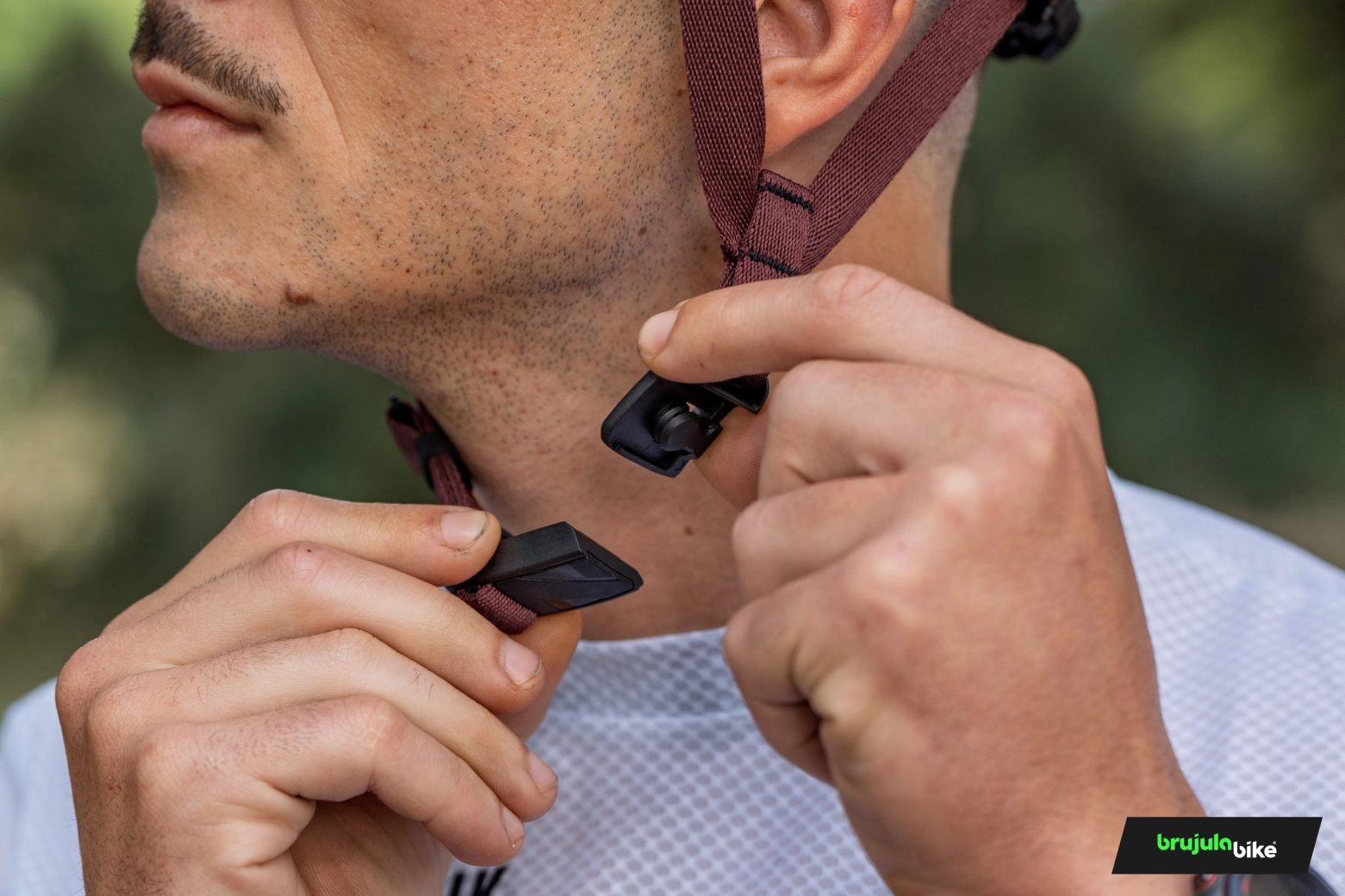
The quality detail is the magnetic buckle. It may seem like an unnecessary gadget until you try to fasten the helmet with winter gloves or cold hands at the top of a mountain; the "click" is instant and secure. A point in favor of ergonomics.
On the move, can you feel the dual core?
One of our doubts when reading about the DualCore technology (two layers of EPS of different densities glued together) was whether this would affect airflow or retain more heat. The reality in action is positive. By eliminating the yellow plastic sheets (MIPS) thanks to the integration of the KinetiCore blocks into the structure itself, the ventilation channels are deep and direct.
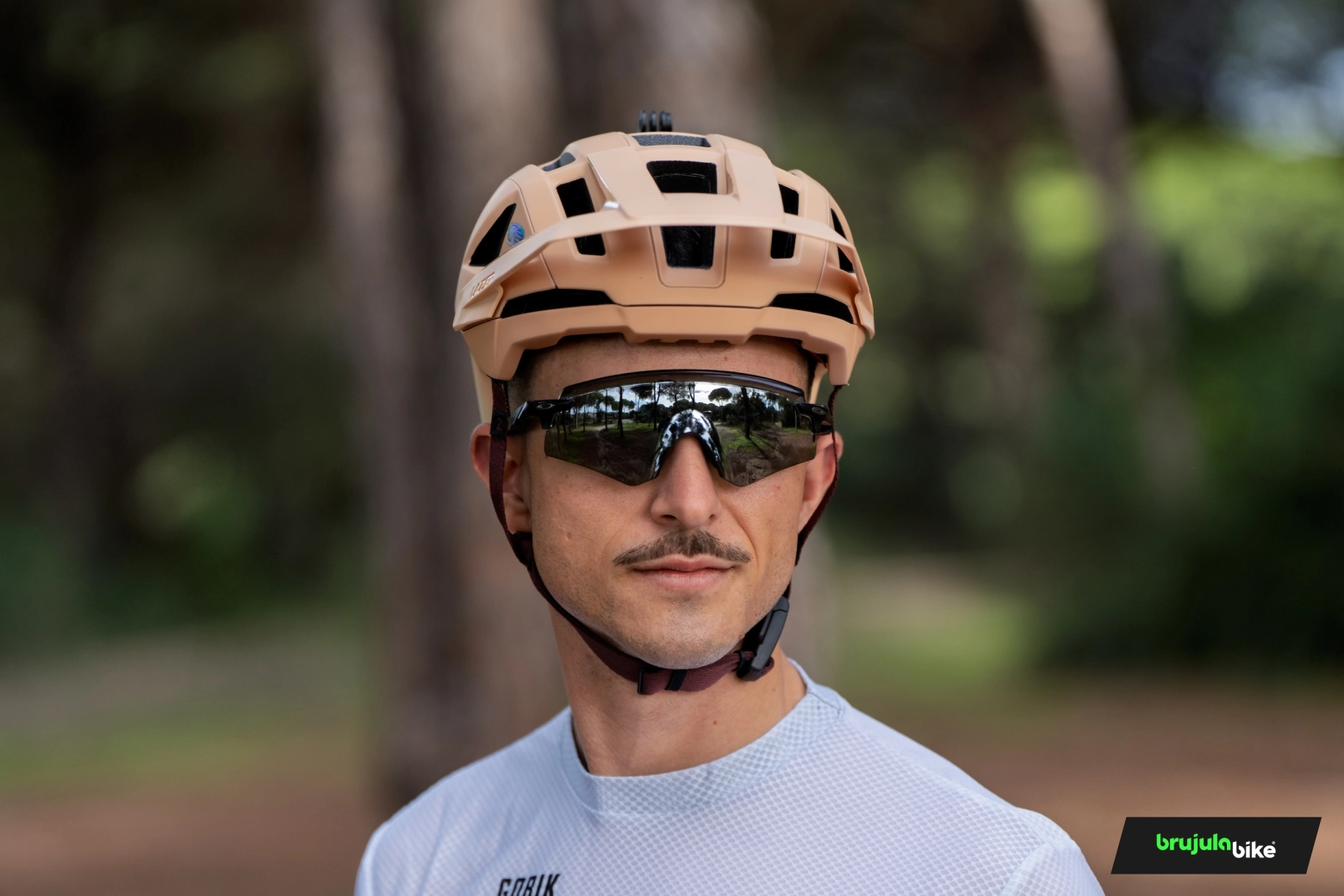
We tested the helmet on slow and technical climbs, where speed does not help with cooling, and the heat management is notable. It is not the coolest helmet on the market (that title usually goes to more open XC models), but for the coverage it offers, the air circulates surprisingly well across the forehead, preventing sweat from dripping directly onto the glasses.
On descents, the helmet does not move. Not a millimeter. In rock garden areas and somewhat rough landings, the Impala stays glued to the head without the need to overly tighten the rear wheel.
We tested it with traditional sunglasses, different models with large arms (like Oakley Sutro), and found no interference with the retention system, which is often the Achilles' heel of many Enduro helmets.
The Impala has a top mount for installing an action camera; in our case, we installed a light. The best thing we can say is that you forget you have it on. The mount is firm and eliminates that annoying rattling that occurs when using generic adhesive mounts. Knowing that it is a "breakaway" system (which releases if you hit it) gives an extra mental confidence to record more aggressive lines without fear of injuring your neck (if you have a camera).

Although (thankfully) we have not had to test the impact effectiveness during the test, the internal construction conveys a lot of confidence. You can see and touch the controlled deformation blocks of the KinetiCore inside. The combination of a soft inner layer (for rotation and minor impacts) and a hard outer layer (for rocks) makes perfect sense. It feels less "bulky" than older dual-shell helmets, maintaining a visually contained profile for a helmet with so much protection.
After weeks of use, the Lazer Impala KinetiCore has convinced us as an "all-purpose" helmet for the real mountain cyclist. It is ventilated enough for three hours of pedaling and protective and stable enough for descending an Enduro trail.

Is it worth the nearly 200 euros? If you value cutting-edge technology in safety and, above all, finishing details (magnetic buckle, integrated camera/light mount, and quality straps), yes. It is a helmet that feels premium from the moment you make the "click" of the closure until you take it off.
What we liked the most:
- Stability: It does not move even on the roughest sections.
- Integration: The camera and light mount is solid and secure.
- Comfort: The magnetic buckle and absence of pressure points.
What could be improved:
- Weight: At 370g it is not heavy, but there are lighter options (though with less variable density technology).
También puede interesarte
Road
Cobblestones, mud, and legend. Why cycling never abandoned the cobblestones
Training
Boost your watts, boost your level: that's how you improve your FTP
Road
What are the five monuments of cycling?
Nutrition
The most reliable method for determining how many calories you burn while cycling
Road
The highest-paid cyclists in the world in 2026: Pogacar continues to lead the ranking.
Mountain bike