There will be a Porsche engine in 2026, but no e-bikes from the brand
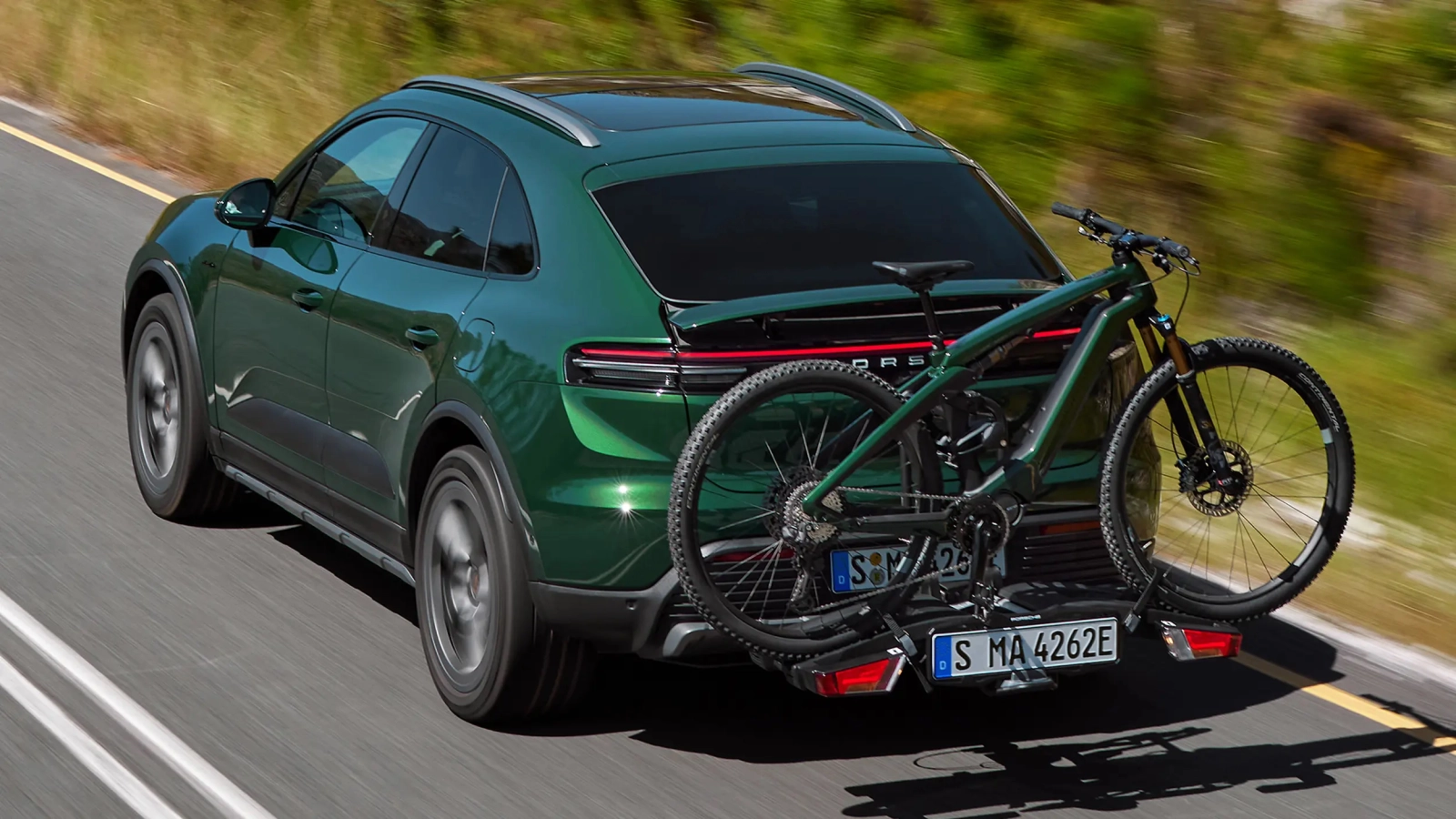
The definitive landing of Porsche in the world of e-bikes has just taken an important turn. The German brand and the Dutch group PON Holdings (owner of Cannondale, Focus, Cervelo, Santa Cruz...) have decided to abruptly end the development of electric bicycles under the Porsche brand within their joint venture P2 eBike GmbH, one of the most ambitious projects in the premium segment in recent years.
Porsche halts its ambitious e-bike project… but keeps its electric motor offensive alive
The company, created in early 2022 and based in Stuttgart, aimed to design, assemble, and market high-end e-bikes and pedelecs with the Porsche brand for the international market. At one point, it had gathered a dozen employees and was working on strategic models such as a fully developed e-MTB from scratch, which was to debut the future Porsche E-Bike Performance assistance system.
The cancellation of the project has surprised even those directly linked to the company. During the first months of 2025, P2 eBike had reinforced its structure, incorporating marketing profiles and appointing Gudrun Scharler as the new director in April. Just a few months later, Porsche and PON decided to disconnect the project.
RECOMENDADO
Cobblestones, mud, and legend. Why cycling never abandoned the cobblestones
Boost your watts, boost your level: that's how you improve your FTP
What are the five monuments of cycling?
The most reliable method for determining how many calories you burn while cycling
The highest-paid cyclists in the world in 2026: Pogacar continues to lead the ranking.
SCOTT Spark RC 2026 Range: updated models, prices, and weights
Both companies have limited themselves to a brief joint statement in which they assert that the decision is a result of a strategic review to focus on projects aligned with long-term goals.
The farewell to P2 eBike does not occur in a vacuum. The move fits within the current context of the cycling industry, marked by a clear cooling after the boom experienced during and after the pandemic. Excess stock, restrained consumption, and rising costs are leading many companies, especially those outside traditional cycling, to reconsider investments that just two or three years ago seemed unquestionable.
In this scenario, the premium segment of e-bikes, one of the most attractive for brands from the automotive sector, is being particularly reviewed.
Porsche will not manufacture e-bikes… but will produce motors for bikes
However, the closure of P2 eBike GmbH does not mean Porsche is completely withdrawing from the electric bicycle world. Despite Porsche E-Bike Performance, the other joint venture created with PON and based in Ottobrunn, has rushed to clarify that its activity continues unchanged.
According to the company, the development of its own electric assistance system is moving forward and the presentation of the Porsche motor is scheduled for 2026, as initially planned. The project maintains full autonomy and aims to become a supplier of propulsion systems for other manufacturers, in addition to coexisting with the current Fazua motors, a brand that Porsche acquired in 2022.
It is worth remembering that the original strategy involved a clear division of functions in which P2 eBike was to manufacture Porsche bicycles, while Porsche E-Bike Performance would develop the motors that would power them. With the disappearance of the first pillar, Porsche redefines its presence in the sector, betting solely on technology.
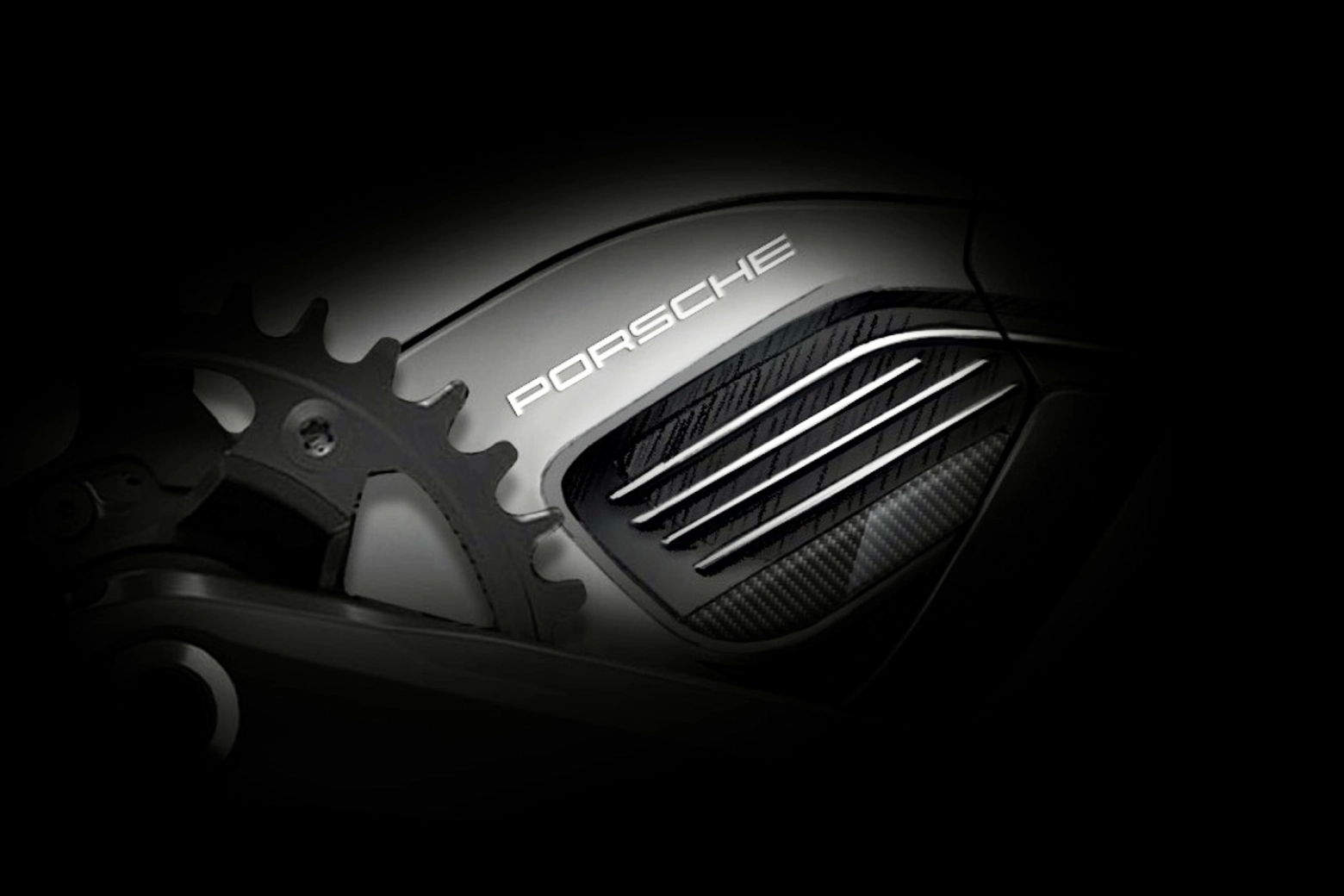
This is not the first time Porsche has adjusted its course in this area. In the past, it marketed e-MTBs based on Rotwild models, collaborated with firms like Storck, and participated in projects like Greyp or Cyklær, many of which were ultimately canceled or absorbed. Even after the total acquisition of Fazua and Greyp, some of those initiatives ended up disappearing.
Now, with P2 out of the picture and no model having been publicly presented, Porsche seems to be opting for a more contained strategy by abandoning the manufacturing of complete bicycles and focusing on what it does best: engineering and high-performance systems.
También puede interesarte
Road
Cobblestones, mud, and legend. Why cycling never abandoned the cobblestones
Training
Boost your watts, boost your level: that's how you improve your FTP
Road
What are the five monuments of cycling?
Nutrition
The most reliable method for determining how many calories you burn while cycling
Road
The highest-paid cyclists in the world in 2026: Pogacar continues to lead the ranking.
Mountain bike