"The cyclists are 100% against it": the new anti-doping plan based on power data generates controversy in the peloton
The president of the Professional Cyclists Association, Adam Hansen, has publicly criticized the pilot project with which the International Testing Agency (ITA) wants to use power data as a long-term monitoring tool to guide anti-doping controls. Although the trial is proposed on a voluntary basis and will start with four teams in 2026, Hansen asserts that the peloton sees the measure as a new source of pressure and warns of multiple technical and regulatory unknowns.
What is the “power passport” being tested and why are cyclists opposed?
The idea, as explained by the UCI itself, is that the ITA is developing a performance monitoring tool based on power data from professional (male) road cyclists. The goal would be to add a layer of “intelligence” to refine targeted controls, prioritize investigations, and decide which samples should be analyzed or stored long-term.
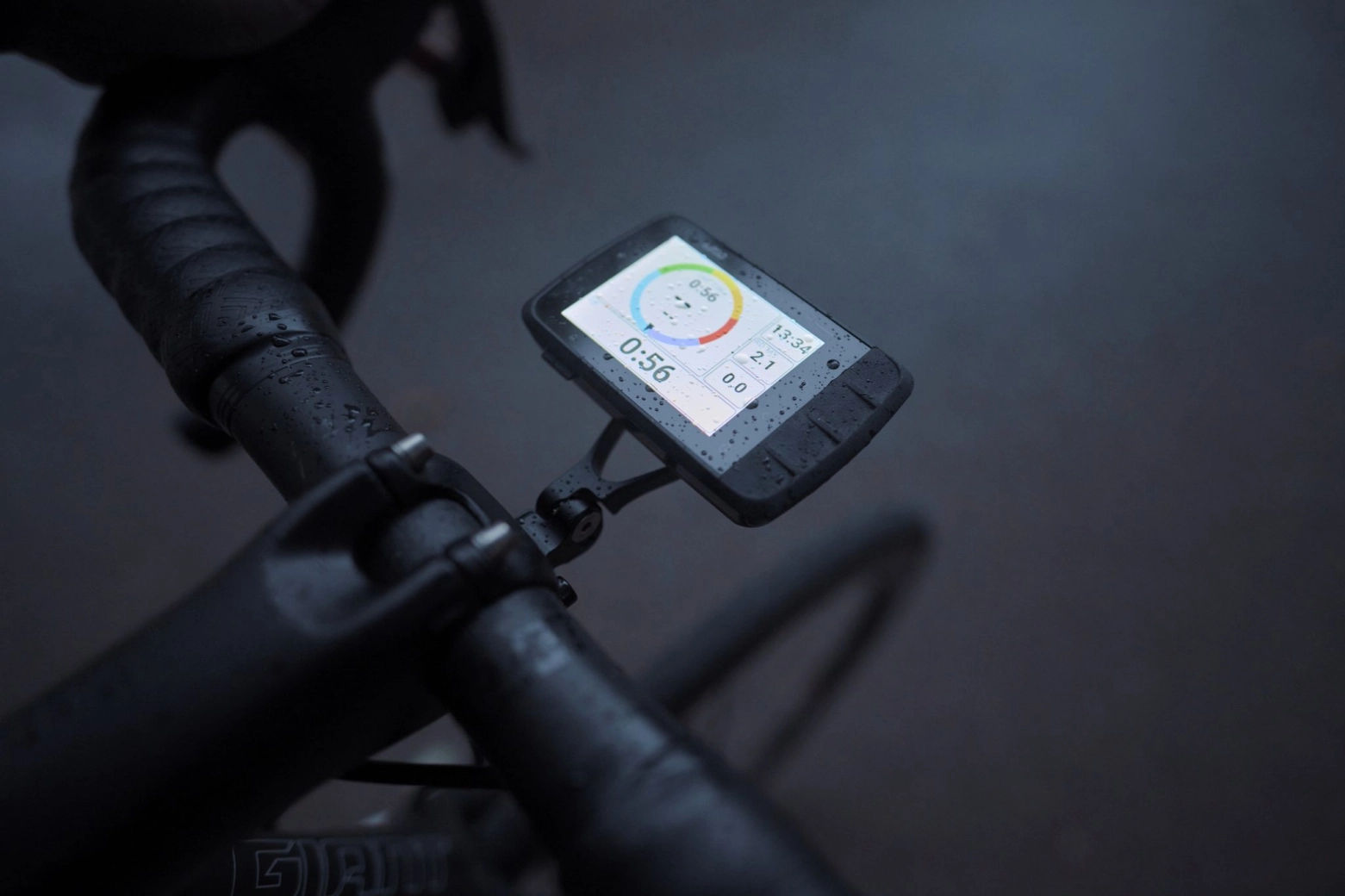
In practice, and as Hansen describes in his intervention on the Domestique podcast, the system would require cyclists to submit their power files so that analysts can detect “anomalous” patterns and, from there, trigger more specific controls.
RECOMENDADO

When do helmets have to be changed? Do they have an expiration date?
What benefits does bicarbonate have for cyclists?
Is a cyclist born or made? The eternal debate between talent and training
Why do you prefer a certain type of training? What does that mean?
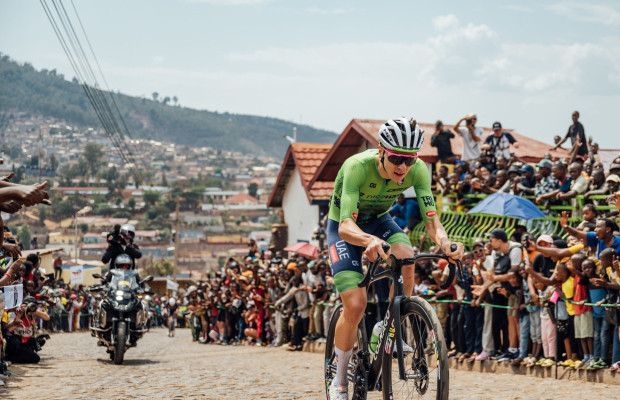
Why does Pogacar attack while sitting?
Cycling shorts vs underwear: ultimate guide to not ruining your outings
Hansen argues that the position of the CPA and the riders is “100% against” because the approach raises too many unanswered questions. Among his concerns, he cites everyday scenarios: power meters or cycle computers that fail, files that are not saved, devices that run out of battery or get lost. His central doubt is what would happen if a rider cannot (or does not manage to) upload their data? Could it end up being treated as a violation comparable to a failed test? Something with very serious consequences in anti-doping.
Moreover, he questions the reliability of drawing solid conclusions solely from power data. Performance changes with the coach's plan, previous load, rest, caffeine, strength training in the gym, or even training strategies like using environments with more oxygen, factors that can alter peaks and “baseline” levels without doping.
For Hansen, the most immediate collateral effect is mental. He understands that the “power passport” would add to an already loaded ecosystem (post-race controls, location checks, and biological passports), increasing the sense of surveillance and administrative pressure, especially on younger athletes.
In the same interview, Hansen also focused on recent changes to the location system that, according to his account, have generated more stressful situations due to “errors” or unforeseen daily events (changes in plans, travel, or simply not hearing the bell). That experience is part of his argument. Any new layer of obligations, if not very well defined, can end up penalizing the rider “administratively” more than for doping.
Hansen's recipe is as straightforward as it is unlikely. He proposes that instead of expanding control through performance data, he believes the path should be to improve the detection capacity of prohibited substances, something that, in his view, would reduce the psychological and bureaucratic burden on athletes.
También puede interesarte
Bike Equipment
When do helmets have to be changed? Do they have an expiration date?
Nutrition
What benefits does bicarbonate have for cyclists?
Training
Is a cyclist born or made? The eternal debate between talent and training
Training
Why do you prefer a certain type of training? What does that mean?
Road
Why does Pogacar attack while sitting?
Bike Equipment