Shimano confirms its exit from Eurobike starting in 2026, exacerbating the crisis of the major cycling fair
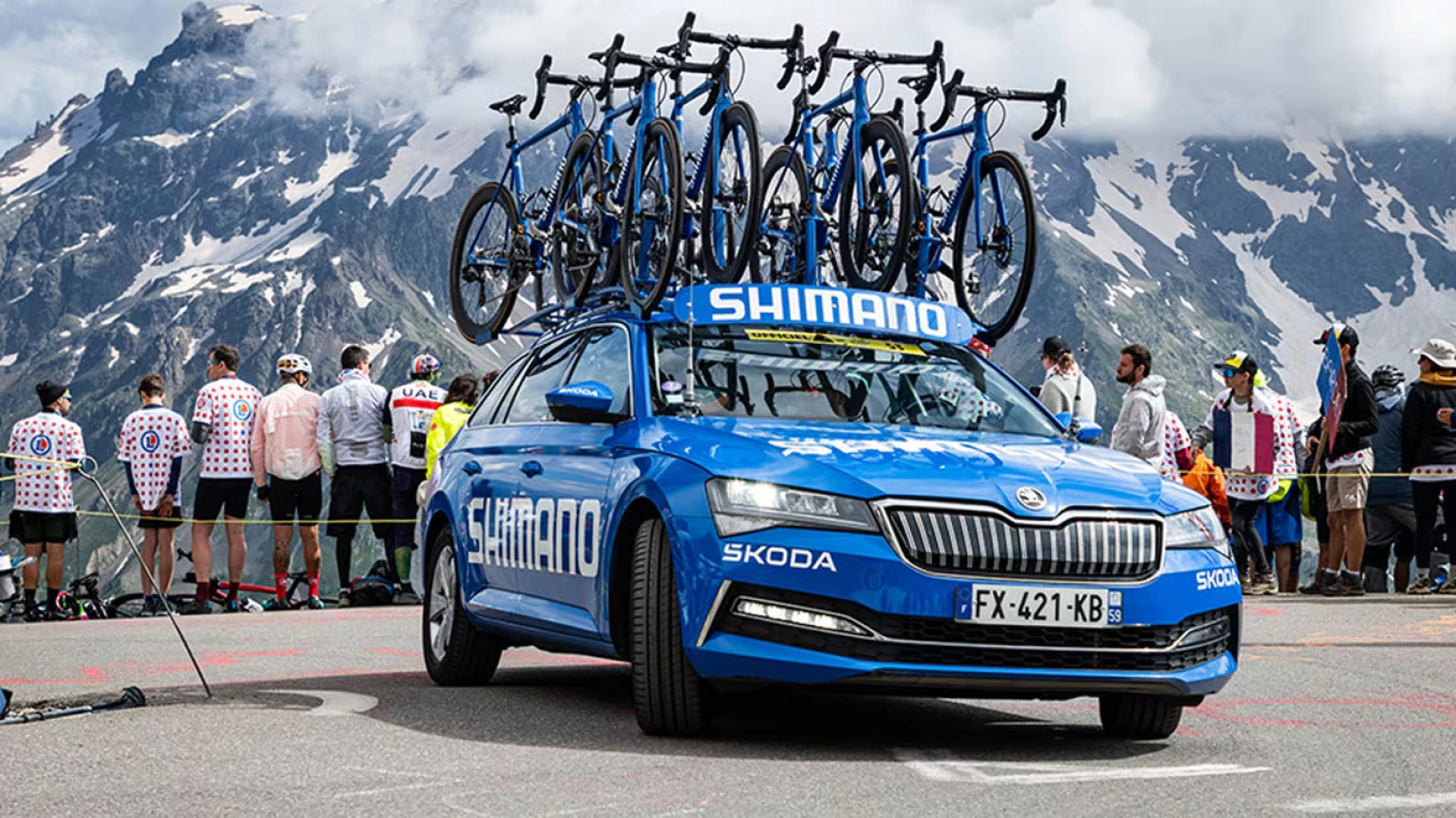
Shimano has announced the decision not to exhibit at Eurobike starting from the 2026 edition; undoubtedly, this represents another hard blow for what has been considered the most important cycling fair in the world for decades. The Japanese company has officially confirmed its withdrawal, in a move that is part of both its new marketing strategy and the delicate moment that the German event is going through.
Another blow for Eurobike: Shimano will not be at the 2026 edition
In a statement, Shimano explains that starting in 2026, it will focus its efforts on its own events and more direct formats aimed at customers, business partners, and end users. The goal, according to the brand, is to generate “personalized conversations and practical experiences,” something it considers increasingly difficult within the traditional format of large international fairs.
“We want to connect with cyclists and partners in a personal, meaningful way that aligns with the evolution of the industry,” said David Greenfield, marketing director of Shimano Europe. The company acknowledges the historical role of Eurobike in the sector and the professional relationships built there over the years, but points to several key factors behind the decision, such as changes in attendance patterns, rising exhibition costs, and a transformation in the way brands and cyclists interact.
RECOMENDADO

When do helmets have to be changed? Do they have an expiration date?

What benefits does bicarbonate have for cyclists?
Is a cyclist born or made? The eternal debate between talent and training
Why do you prefer a certain type of training? What does that mean?
Why does Pogacar attack while sitting?
Cycling shorts vs underwear: ultimate guide to not ruining your outings
Shimano's exit is not an isolated case, but a new symptom of the wear and tear process that Eurobike has been experiencing for several editions. In recent years, the fair has faced increasing criticism for the diminishing presence of major “traditional” cycling brands and for the growing prominence of electric mobility and other vehicles outside the historical core of the sector.
Recently, this situation was compounded by the withdrawal of support from two of the main German industrial associations, after failing to reach an agreement with the organizer, Fairnamic, on a reform plan for the event. Shortly thereafter, Bosch eBike Systems also confirmed that it would not be present at Eurobike 2026, further weakening the lineup of major exhibitors.
Restructuring underway… but with doubts
Fairnamic implicitly acknowledges the need for a profound change. Its CEO, Philipp Ferger, has spoken of a “new breeze” for Eurobike and has defined the 2026 edition as a turning point to lay the foundations for a new fair concept for 2027. Among the announced measures are a more compact design of the pavilions and a clearer separation between OEM manufacturers, everyday mobility solutions, and more consumer-focused exhibitors.
However, the withdrawal of a historic exhibitor like Shimano highlights the magnitude of the challenge. For many leading brands, Eurobike no longer seems to justify the investment compared to other more flexible, specific, and controlled formats.
Eurobike 2026 will be held in Frankfurt from June 24 to 27, in a context marked by uncertainty and the pressure to demonstrate that it can still reinvent itself and regain relevance in a cycling industry that is clearly changing the way it communicates, presents products, and connects with its users.
También puede interesarte
Bike Equipment
When do helmets have to be changed? Do they have an expiration date?
Nutrition
What benefits does bicarbonate have for cyclists?
Training
Is a cyclist born or made? The eternal debate between talent and training
Training
Why do you prefer a certain type of training? What does that mean?
Road
Why does Pogacar attack while sitting?
Bike Equipment