Science, engineering, and advanced aerodynamics: this is how PAAS, Pirelli's new technology, is born
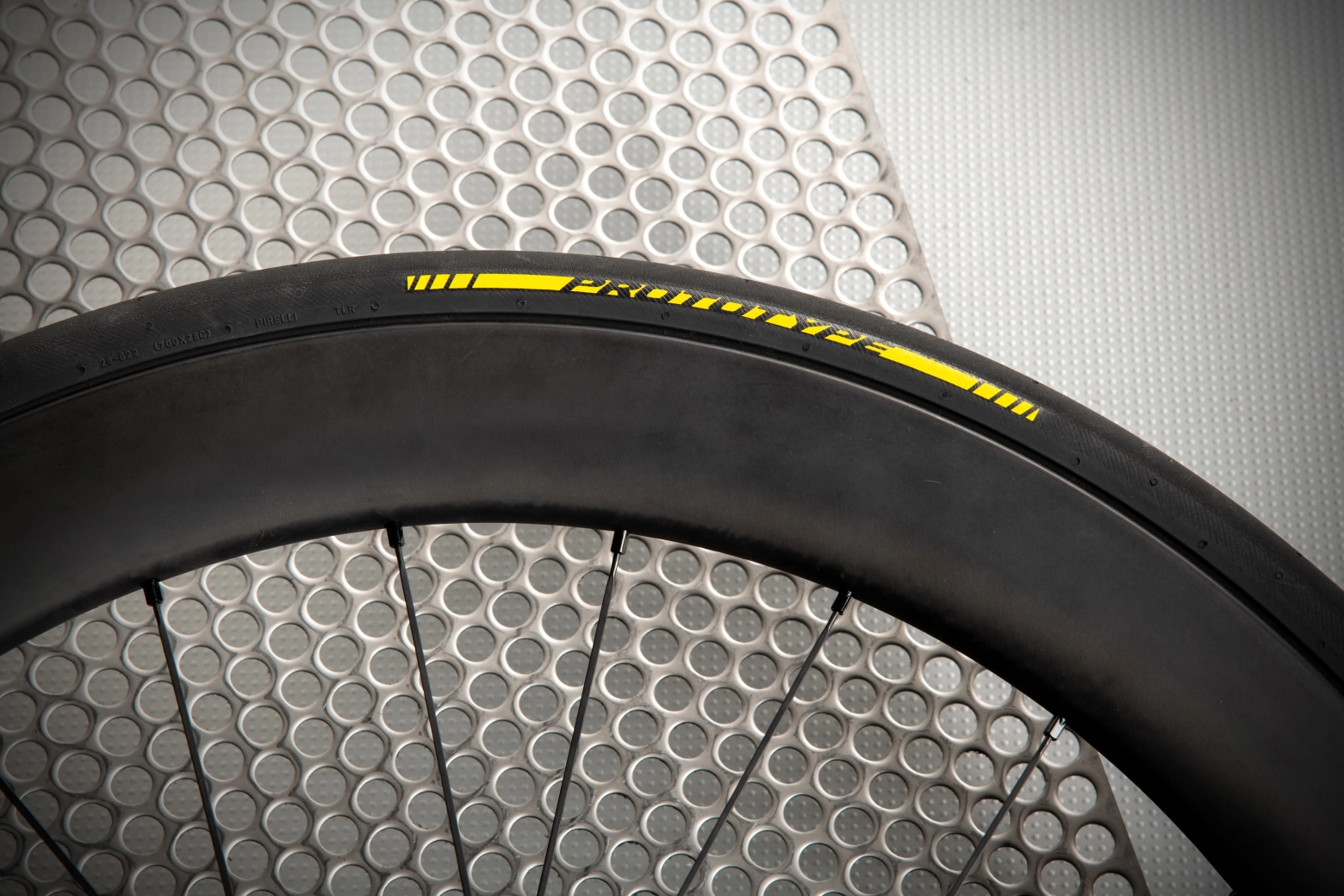
Pirelli has announced a new technology aimed at optimizing the aerodynamic performance of road tires without altering other key features. The innovation, called PAAS (Pirelli Advanced Aerodynamic System), is patent pending and will serve as the basis for the development of the next generation of high-performance tires from the Italian brand.
Pirelli presents PAAS, its new technology to improve the aerodynamics of road tires
The research behind this technology focuses on the interaction between the tire, the rim, and the airflow surrounding the wheel. In today's cycling, where deeper rims and wider tires are increasingly used, the aerodynamics of the wheel-tire combination has become a determining factor for the overall efficiency of the system. According to the company, if the tire generates turbulence or disrupts the airflow, the rim cannot fully take advantage of its aerodynamic design.
The core of the PAAS system lies in the geometry of the tire, specifically in the position of the point of maximum width once mounted and inflated on the rim. Pirelli engineers have identified a specific area where this point should be located to help the air stay attached to the sidewall of the tire for a longer time. When this occurs, flow separations are reduced, along with the vortices that increase aerodynamic drag.
RECOMENDADO
Watch live: Cape Epic 2026, Stage 1

The extreme heat forces a change in the schedule of the Cape Epic
Jonas Vingegaard is crowned champion of the Paris-Nice 2026 in a final stage won by Lenny Martinez

Milan takes a lively final stage led by Van der Poel, and Del Toro is crowned champion of the Tirreno-Adriatico 2026

The Prologue Stage of the Cape Epic 2026 begins with victory for Beers–Nortje and dominance by Keller–Lill
Van der Poel explains why he doesn't want narrow handlebars
To determine this optimal position, computational fluid dynamics (CFD) tools, common in the automotive industry, were used. The development included multiple design iterations and simulations that replicated the interaction between airflow and the tire under real-world usage conditions. Subsequently, the results were verified in several wind tunnel testing campaigns conducted both by Pirelli and in collaboration with wheel manufacturers and professional teams.
More than 20% less aerodynamic drag
The brand's internal tests show that the profiles developed with this technology, designed for tires between 28 and 35 mm wide, achieve significant reductions in aerodynamic drag compared to traditional designs. According to the company's data, the average improvement exceeds 20% compared to the wheel + P ZERO Race TLR RS configuration, a current model in Pirelli's road range.
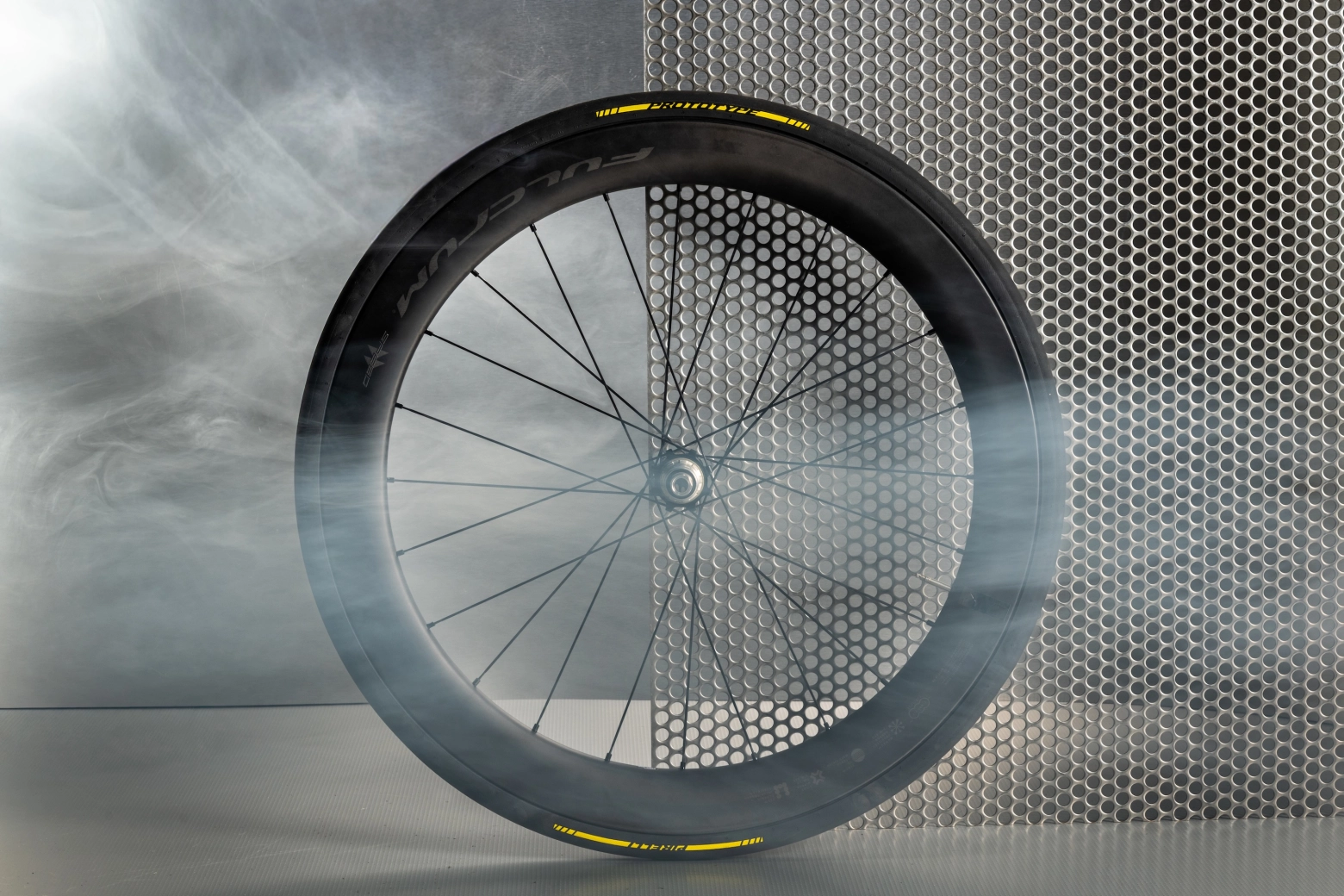
The behavior has also been analyzed with different wind angles, from 0° to ±20°, which represent the usual conditions for a cyclist riding at speeds above 30 km/h. In these situations, especially with crosswinds, the shape of the tire decisively influences the stability of the aerodynamic flow.
Aerodynamics without penalizing other aspects of the tire
One of the project's challenges was to improve aerodynamics without sacrificing key characteristics such as weight, rolling resistance, or ease of use. Therefore, the PAAS design maintains a small gap between the tire sidewall and the rim edge to make mounting and dismounting easier.
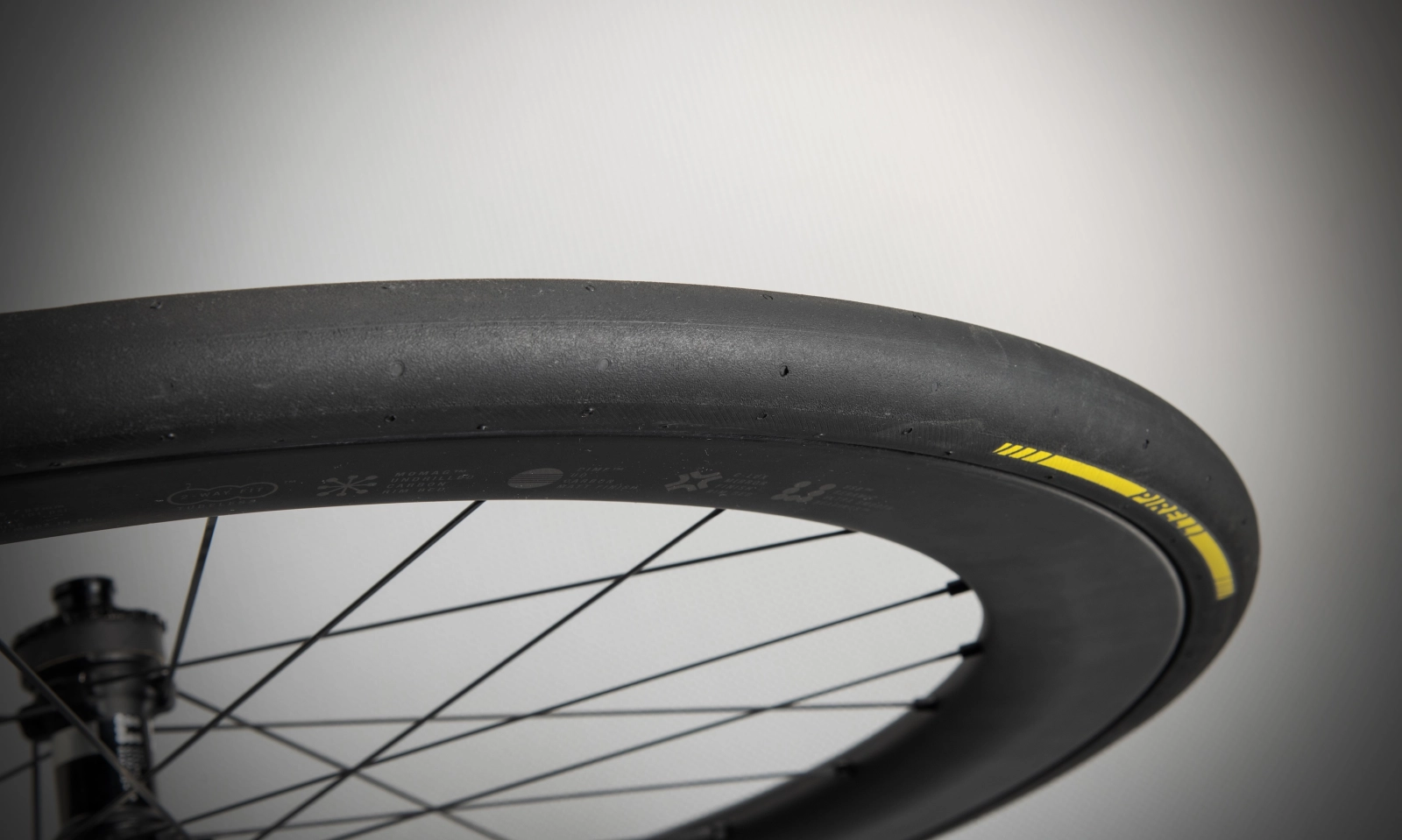
Additionally, the optimized position of the point of maximum width also has another advantage: the aerodynamic efficiency is maintained even as the tire wears, something that usually alters the tire's profile over the kilometers.
With PAAS, Pirelli aims for a new stage in the development of performance-oriented road tires, where the tire design is considered an active part of the bicycle's aerodynamic system. The technology will be progressively applied in the upcoming models of the brand aimed at both professional cyclists and users looking to maximize efficiency on the road.
También puede interesarte
Mountain bike
Watch live: Cape Epic 2026, Stage 1
Mountain bike
The extreme heat forces a change in the schedule of the Cape Epic
Road
Jonas Vingegaard is crowned champion of the Paris-Nice 2026 in a final stage won by Lenny Martinez
Road
Milan takes a lively final stage led by Van der Poel, and Del Toro is crowned champion of the Tirreno-Adriatico 2026
Mountain bike
The Prologue Stage of the Cape Epic 2026 begins with victory for Beers–Nortje and dominance by Keller–Lill
Road