Prologo takes saddle adjustment to the next level with Pressure Map MyOwn
The adjustment of the saddle enters a new dimension with the arrival of Pressure Map MyOwn, a tool developed by Prologo that allows real-time analysis of how the cyclist interacts with the saddle during pedaling. This system is designed for both bike fitting professionals and shops, as well as high-level teams, with the goal of improving position, increasing comfort, and optimizing performance.
Prologo takes bike fitting to the next level with Pressure Map MyOwn
Prologo's proposal is based on a scientific analysis of the pressures generated on the saddle during each phase of pedaling. Thanks to this detailed reading, it is possible to precisely identify which model best fits each cyclist and how it should be positioned to avoid discomfort or even solve problems arising from poor posture.
A system with sensors that translates pedaling into data
The heart of the system is a thin mat equipped with 64 high-sensitivity sensors that is installed directly on the saddle. This surface collects pressure data and sends it to a wireless unit that, via Bluetooth connection, transmits it to a mobile application.
From there, the bike fitter can visualize real-time pressure maps, maximum and average values, as well as the weight distribution on the saddle. This allows for immediate interpretation of how the cyclist behaves and makes precise adjustments on the fly.
RECOMENDADO

Boost your watts, boost your level: that's how you improve your FTP

Zwift is no longer just virtual and is focusing on outdoor cycling
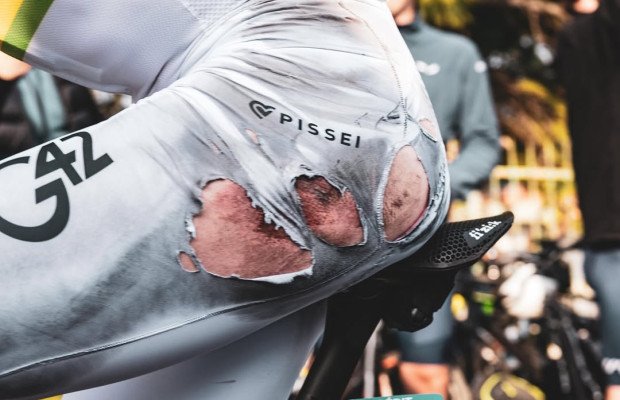
Pogacar won with a broken bike, the brakes rubbing, and the gears stuck after the crash
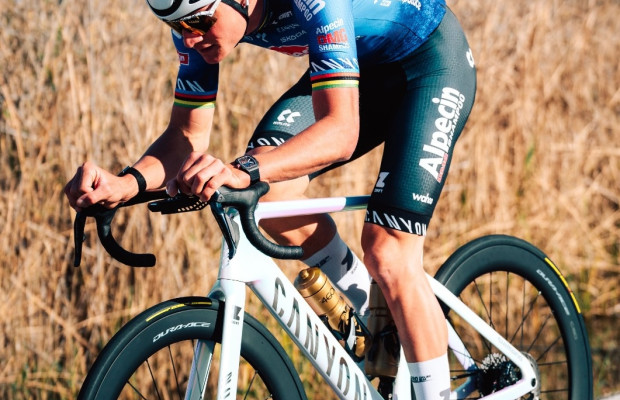
For sale: the new tire from Van der Poel: this is the P ZERO Race TLR SL-R with PAAS technology
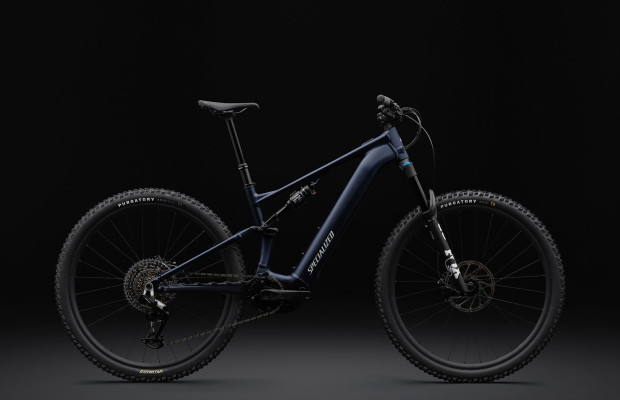
The new Specialized Turbo Levo R now has an affordable version
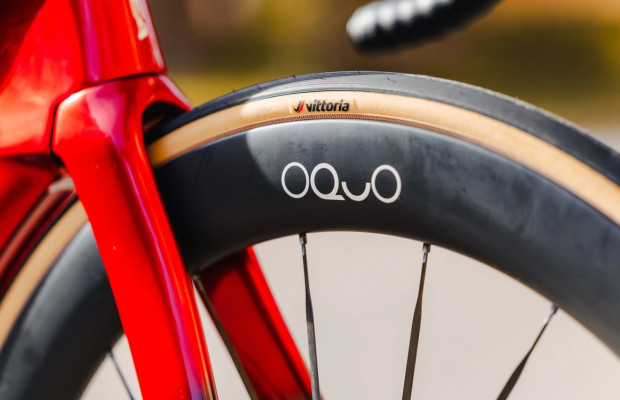
More rigid, lighter, and faster: OQUO launches its most advanced range with carbon spokes for road and gravel
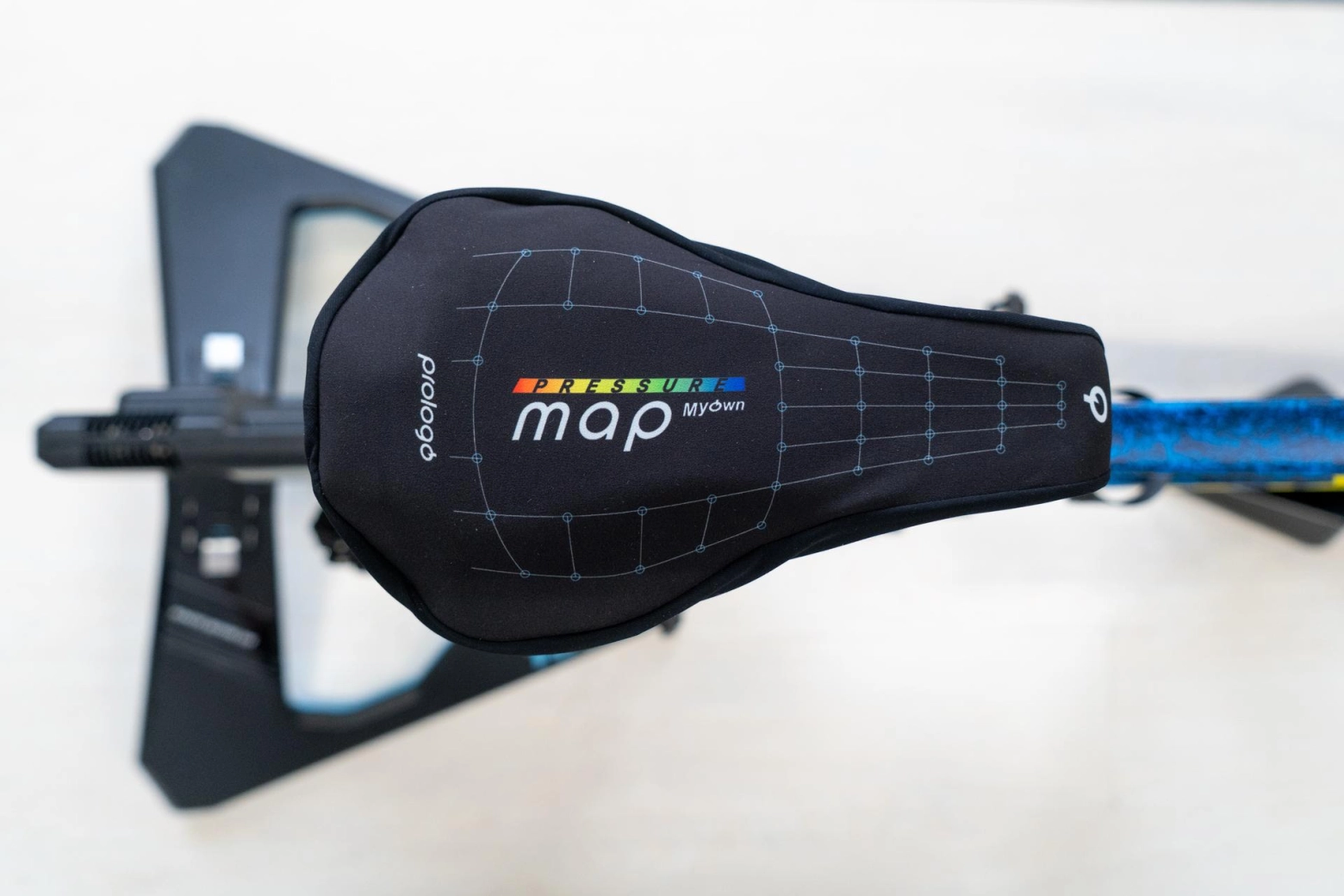
One of the keys to the system is that it is not limited to a specific brand. Although it integrates within the Prologo ecosystem, it is compatible with any saddle on the market regardless of its shape or dimensions, greatly expanding its practical application.
Testing in real conditions, indoors and outdoors
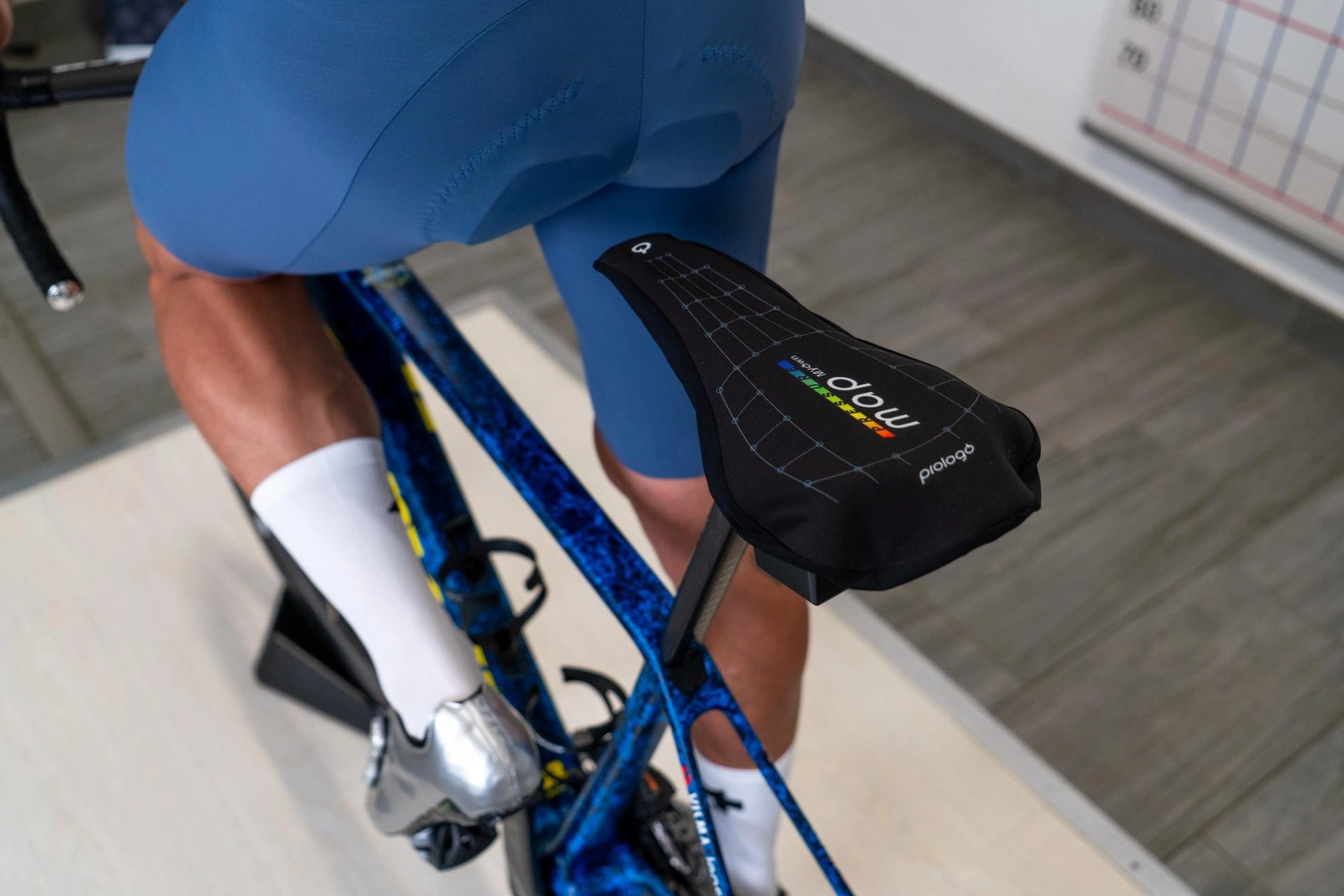
Unlike other static analysis systems, Pressure Map MyOwn allows for testing in real pedaling conditions. The cyclist can perform tests on their own bike, whether on a trainer, on the road, or even on a velodrome.
This makes it possible to take into account factors such as vibrations, position changes, or differences between riding on flat terrain or climbing, key elements to truly understand how the body behaves on the saddle.
Dynamic analysis and guided protocol
The system includes two types of tests. On one hand, free tests where the cyclist pedals without restrictions to observe their natural behavior. On the other, a guided protocol that analyzes three key positions on the bike, each for 30 seconds.
First, a relaxed position is evaluated with hands on the top of the handlebars, then an intermediate position resting on the brake hoods, and finally a more aggressive position on the drops. This approach allows for understanding how pressures change based on posture.
Compare, correct, and validate
One of the most interesting points is the ability to compare data between different tests. After making adjustments to the saddle position or changing models, the system allows for retesting and verifying whether the modifications have improved pressure distribution or reduced critical points.
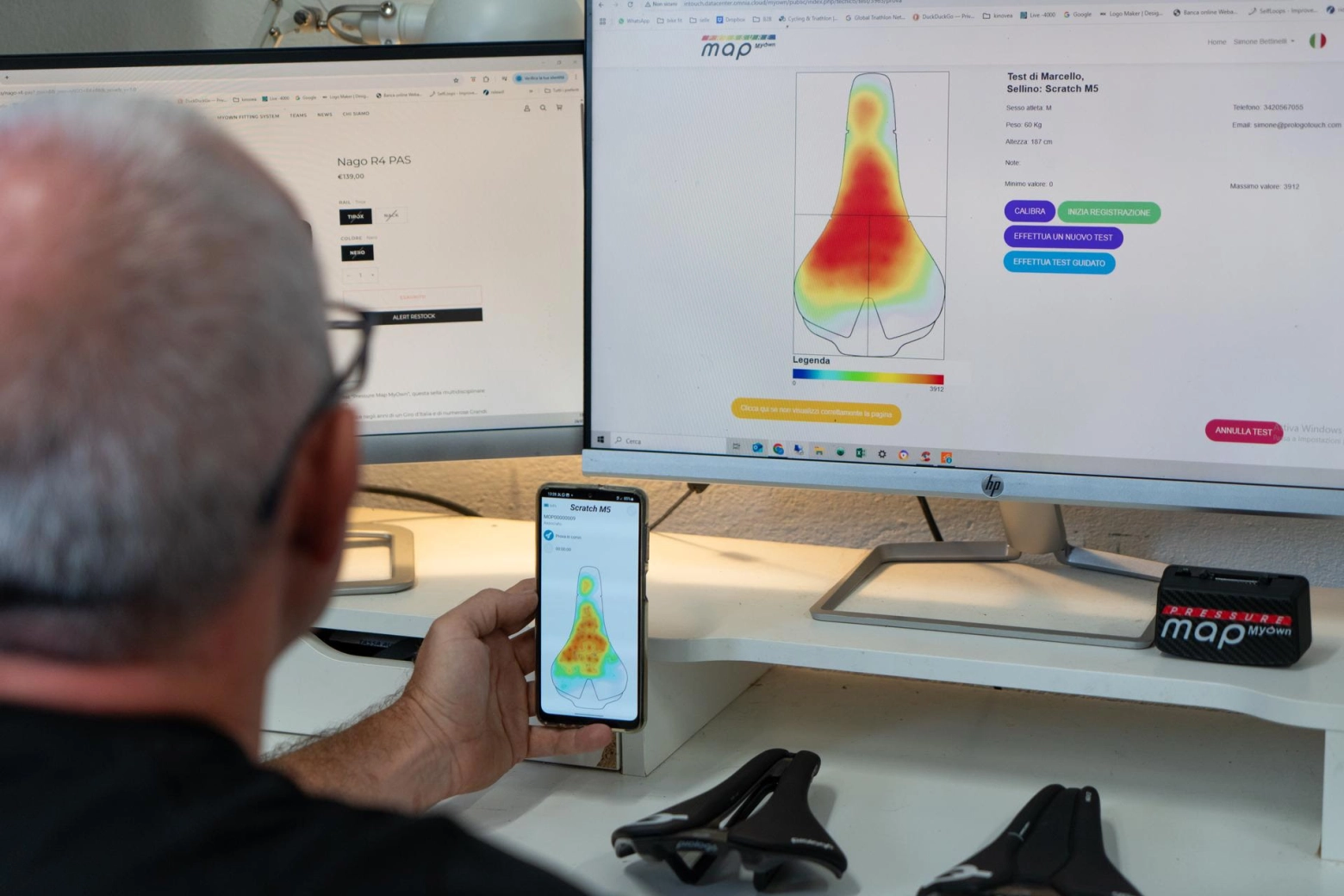
This process turns bike fitting into a much more objective and data-driven tool, something that biomechanists and performance managers in WorldTour teams are already using to fine-tune their riders' positions.
Integrated into the MyOwn ecosystem
Pressure Map MyOwn is part of Prologo's global system along with the MyOwn Fitting System, a tool that allows for selecting the ideal saddle according to the cyclist's profile. The combination of both systems not only facilitates the choice of the right model but also allows for validating that decision with real data and adjusting its position with millimeter precision.
También puede interesarte
Training
Boost your watts, boost your level: that's how you improve your FTP
Training
Zwift is no longer just virtual and is focusing on outdoor cycling
Road
Pogacar won with a broken bike, the brakes rubbing, and the gears stuck after the crash
Road
For sale: the new tire from Van der Poel: this is the P ZERO Race TLR SL-R with PAAS technology
Mountain bike
The new Specialized Turbo Levo R now has an affordable version
Road