New generation RockShox Lyrik and ZEB: debuting LinearXL and redefining performance in trail and enduro
RockShox presents a new generation of suspensions for Trail and Enduro, where it not only introduces new technologies but completely redefines the behavior of its long-travel forks. The new Lyrik and ZEB 2027 share a very deep common technical base but maintain a clear differentiation in their approach.
Rockshox Lyrik and ZEB 2027: new technologies and common base
The big leap is in how air is managed, how travel is controlled, and how the chassis conditions the final behavior. Because in this generation, the difference is not only in the hydraulic system but in the structure.
LinearXL: a new air architecture
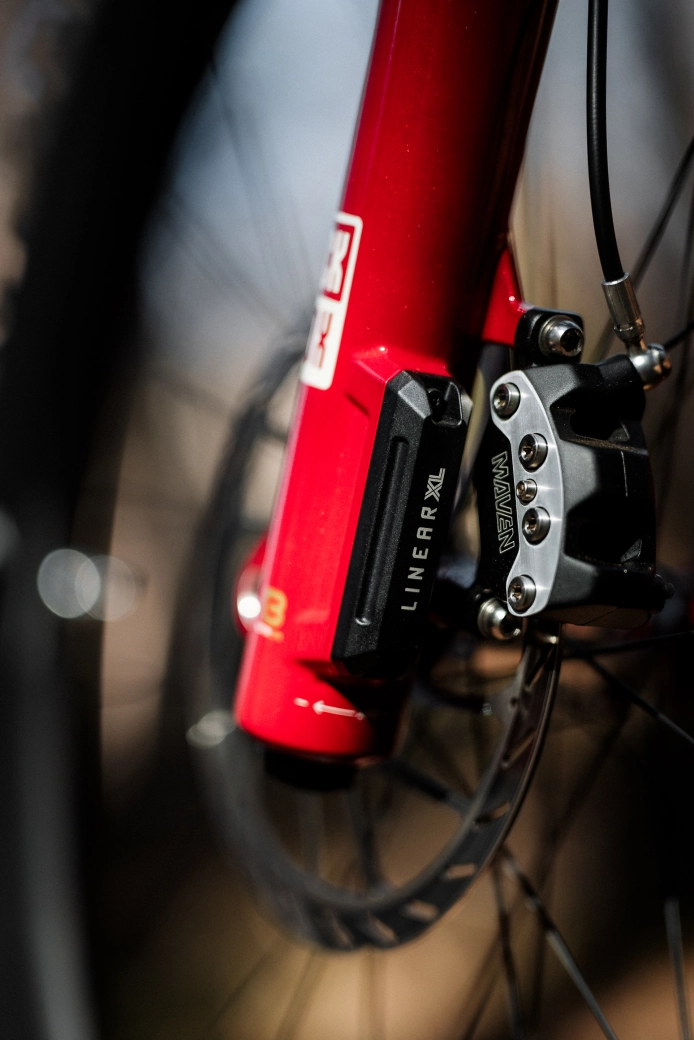
The new LinearXL chamber, already seen in its downhill model, is the core of this update. RockShox abandons the classic marked progression of air to seek a much more linear and predictable curve.
RECOMENDADO

We tested the new Shokz OpenRun Pro 2: premium sound without isolating you from your surroundings
The Evenepoel-Paris-Roubaix story will have to wait
The 2026 Vuelta al País Vasco kicks off with Del Toro, Ayuso, Roglic, and Seixas in an open battle for the txapela
When is the Paris-Roubaix 2026?
Evenepoel does not close the door on Roubaix
"I was going at 650 watts and I couldn't keep up with him": Van der Poel explains how Pogacar dropped him in Flanders
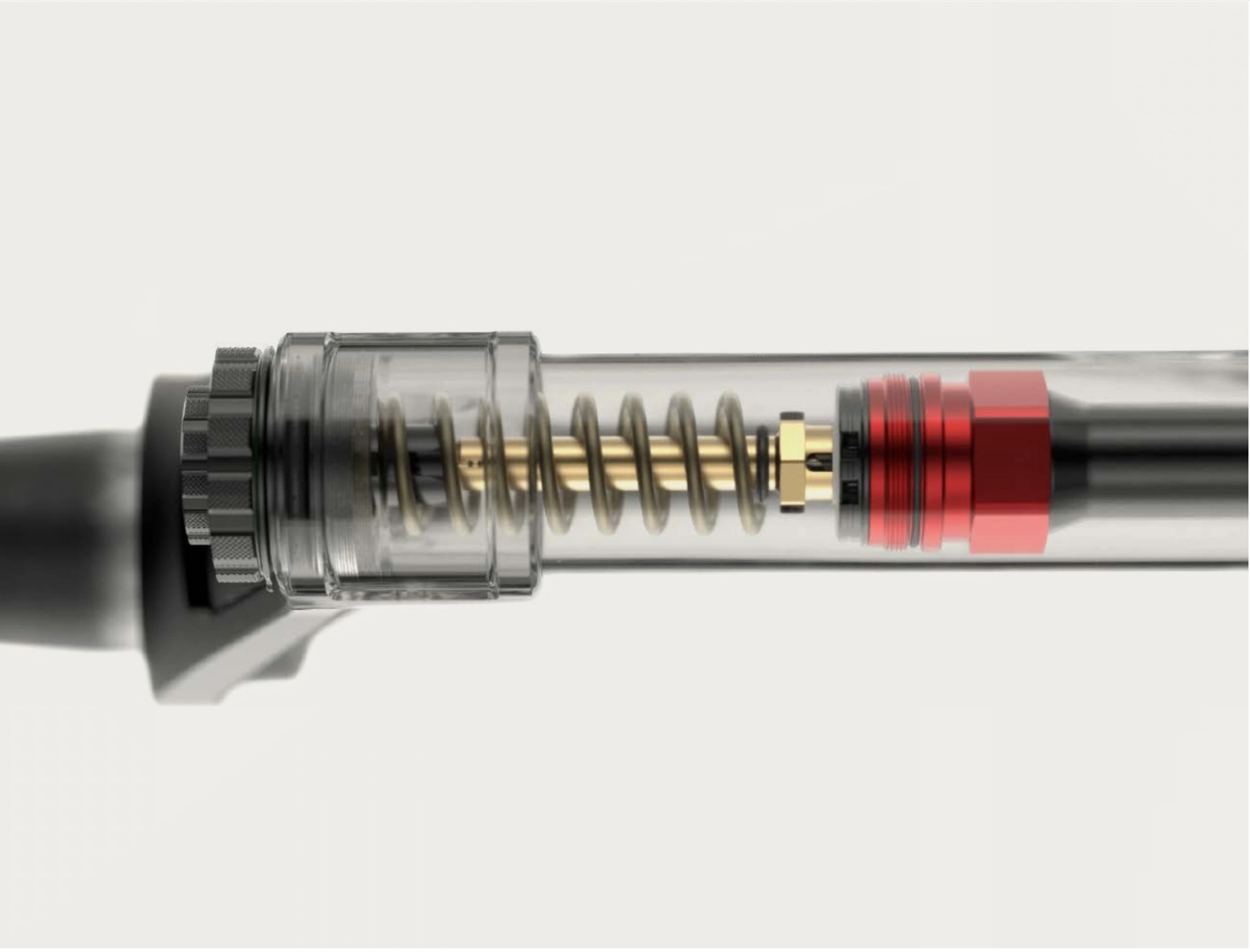
The redesign includes a smaller diameter piston, an increase in the volume of the negative chamber, and a larger, hollow air shaft. All of this requires working with higher pressures but allows the fork to be more sensitive at the beginning, maintain better support in the mid-stroke, and control the end of the travel with more precision.
The goal is to bring the behavior of air closer to that of a spring while maintaining adjustability.
Charger 3.2: hydraulic adapted to the new system
The new Charger 3.2 cartridge is not a simple evolution. It is specifically tuned to work with LinearXL, with more control in the mid-stroke and better management of repeated impacts. The system offers a more usable and coherent adjustment range with the new air behavior.
Adjustable Bottom Out: control of the end of travel
RockShox introduces a system that allows adjusting when the final resistance comes into play. It does not limit the travel but modifies the transition of the last section.
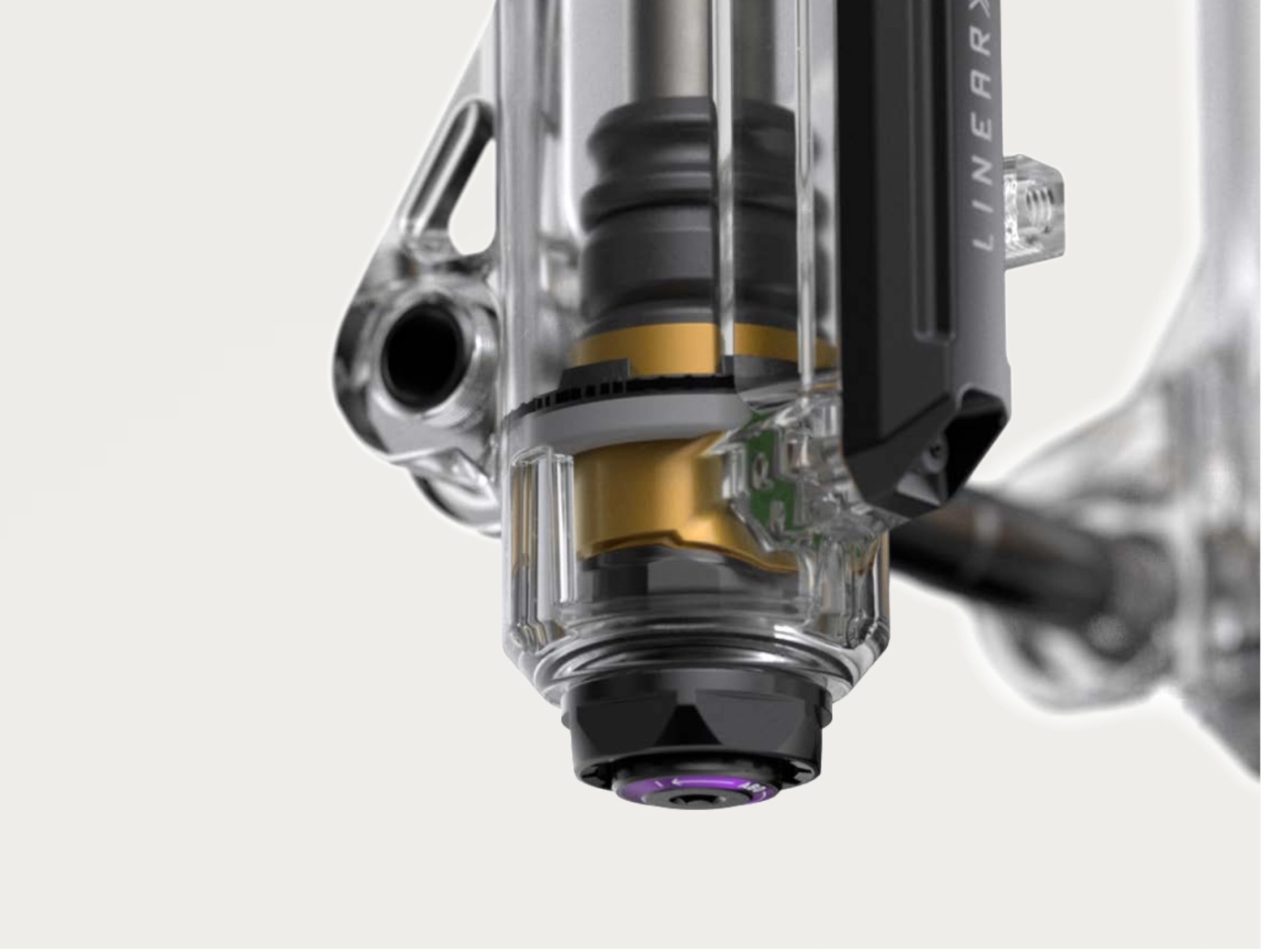
This allows adapting the fork to different riding styles without compromising the rest of the performance.
Friction reduction and internal air management
RockShox has worked very specifically on reducing friction and stabilizing behavior throughout the travel, acting on several key elements of the chassis. One of them is the breather holes, compensation holes located in the legs that equalize the internal air pressure during operation. When the fork is continuously compressed, the air trapped in the legs tends to increase pressure and artificially harden the end of the travel. Thanks to these ducts, that excess is released, and the fork maintains a much more consistent response.
This system is complemented by the AirAnnex concept, which increases the air volume inside the legs through a redesign of its architecture. This larger volume reduces the impact of pressure variations during intensive use, which is key in long descents or very demanding sections where the suspension works constantly.
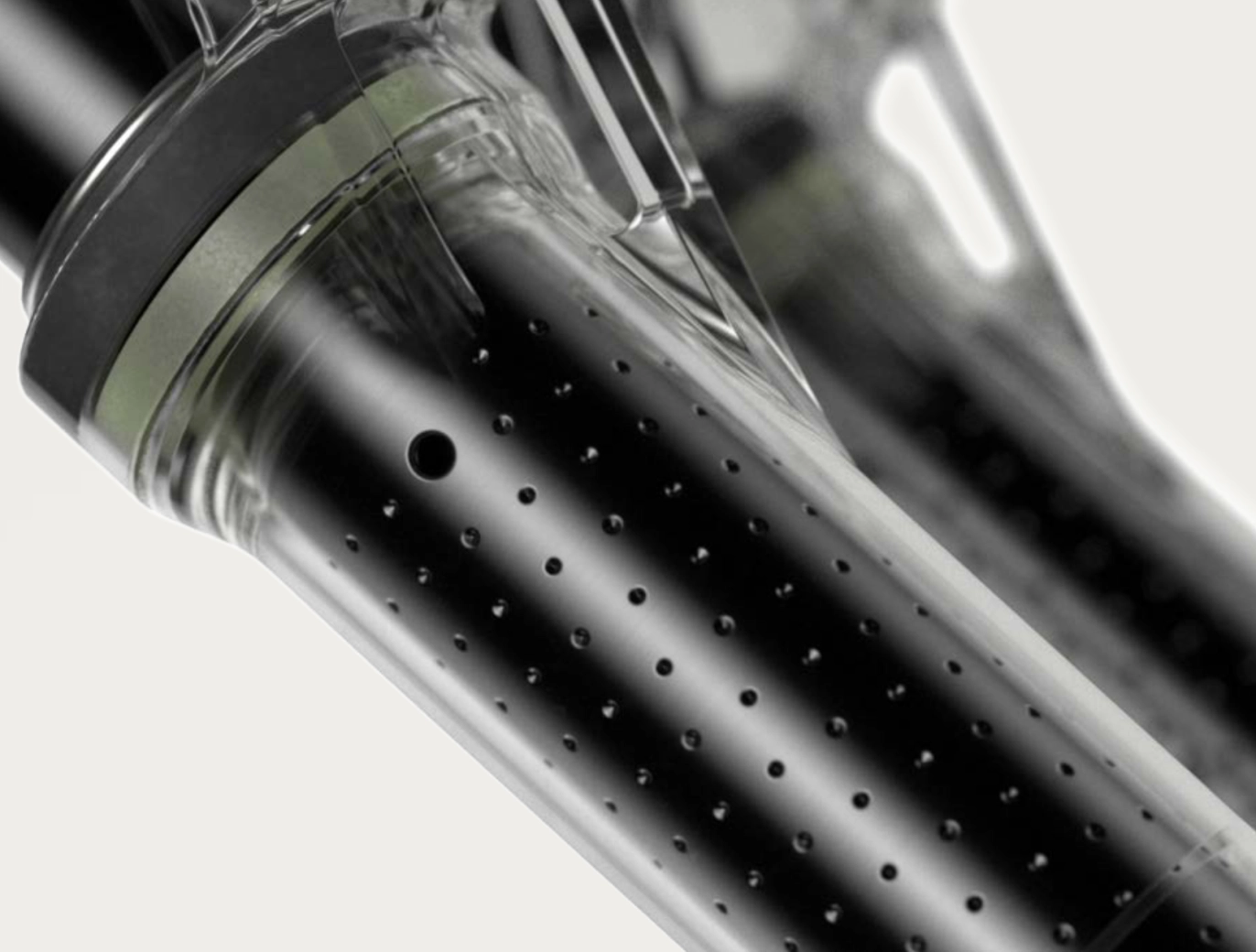
In the higher versions, ButterWagonTech appears, a solution focused directly on internal lubrication. It consists of a machining with microchannels that collects oil with each compression and redistributes it to critical areas, especially the bushings. This helps maintain more consistent lubrication, reduce friction, and improve the durability of the assembly.
Finally, RockShox continues to use ButterCups, elastomers integrated into the system that filter high-frequency vibrations before they reach the handlebars. Their function is not to modify hydraulic behavior or travel but to reduce rider fatigue on very rough terrain, providing an extra comfort without compromising precision.
The result is a more consistent suspension that is less sensitive to fatigue accumulation.
Redesigned chassis: DH stiffness with contained weight
Beyond the new air system and the hydraulic, RockShox has placed a lot of emphasis on the evolution of the chassis, a key aspect that directly conditions the precision of the steering and behavior under load. Both Lyrik and ZEB feature a new structural platform where a redesigned crown, now wider and stiffer, stands out, improving the connection between the stanchions and the steerer tube. This reinforcement translates into greater precision in strong supports and better stability when the fork works in demanding areas of the travel.
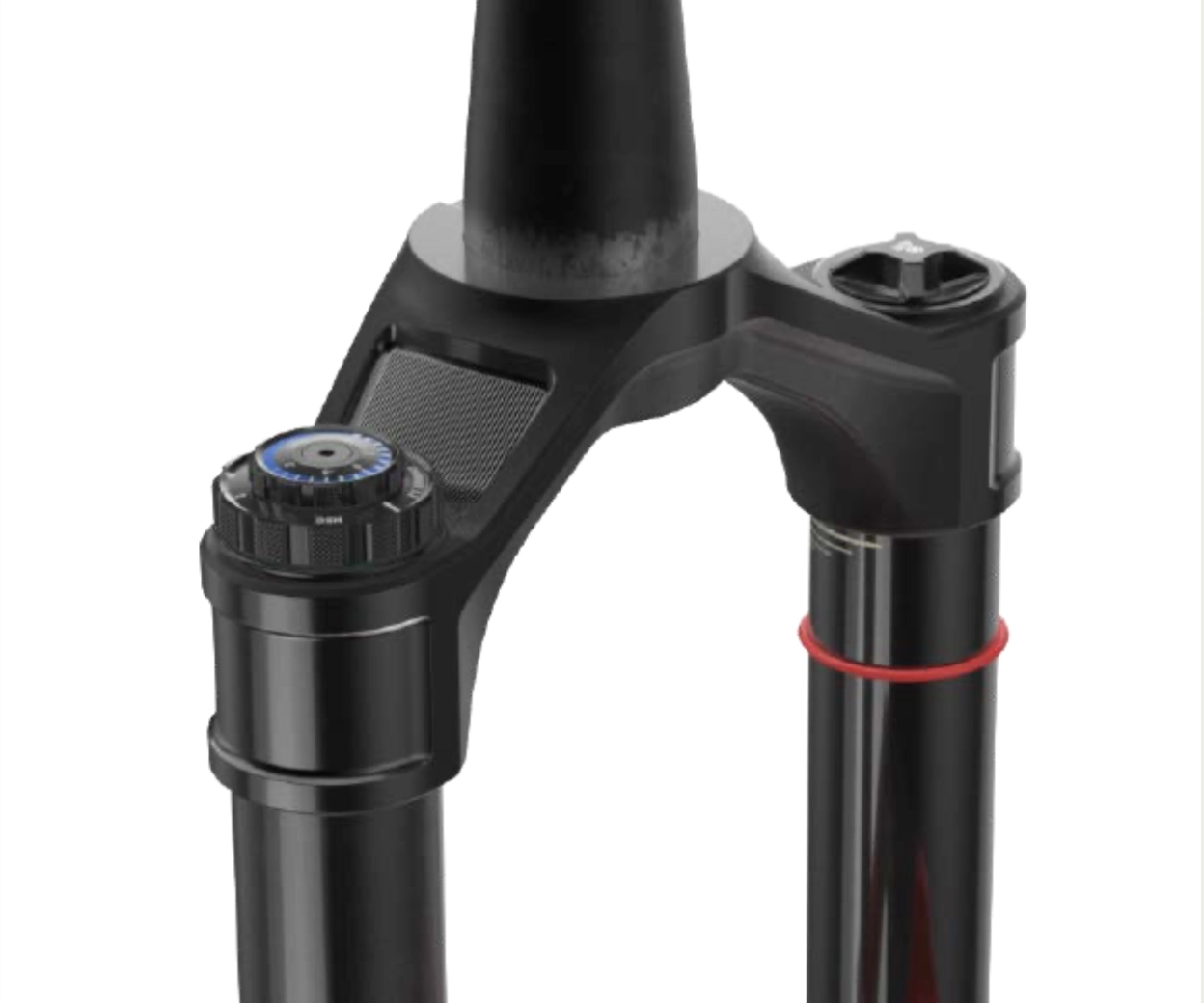
This assembly is complemented by the use of Torque Caps, a system already known in RockShox but still fundamental in this type of forks. Thanks to the larger contact diameter between the hub and the dropouts, the torsional stiffness of the wheel-fork assembly is increased, which is especially important in intense braking and very rough terrain where the precision of the line makes a difference.
The redesign of the lower arch also plays an important role, providing greater structural stiffness without excessively penalizing weight, while the new interfaces for integrated fenders reinforce the assembly and improve functionality in real use.

Overall, these changes are not accessories. They define how the work of the LinearXL system and the Charger 3.2 is transmitted to the terrain. Because in this new generation, performance does not depend only on air or hydraulic but on how the chassis can support that operation under load.
Flight Attendant: automation in the high range
The Ultimate Flight Attendant versions integrate RockShox's electronic system, which automatically adjusts compression based on terrain and pedaling.
In this new generation, Flight Attendant directly benefits from the new platform, adapting its logic to the more linear behavior of LinearXL and offering more precise management between efficiency and absorption.
Compatibility and generational leap
A key point is that this new platform is not backward compatible. Neither the air system nor the Charger 3.2 is designed to work with previous generations. Additionally, the Base versions are not part of this complete redesign but maintain the previous architecture with specific updates.
RockShox Lyrik 2027: news, models, and prices
The Lyrik remains the reference fork for aggressive trail and all-mountain. It is the option designed for those looking for a bike capable of doing it all, with a clear balance between descending performance and pedaling efficiency.
The Lyrik uses 35 mm stanchions, which defines its character. It is a stiff fork, but not extreme. It allows for a slight controlled flex that improves comfort and traction on varied terrain. It features the new LinearXL chamber and the Charger 3.2 cartridge, and is available in travel of 140, 150, 160, and 170 mm, and for 27.5 and 29-inch wheel configurations.
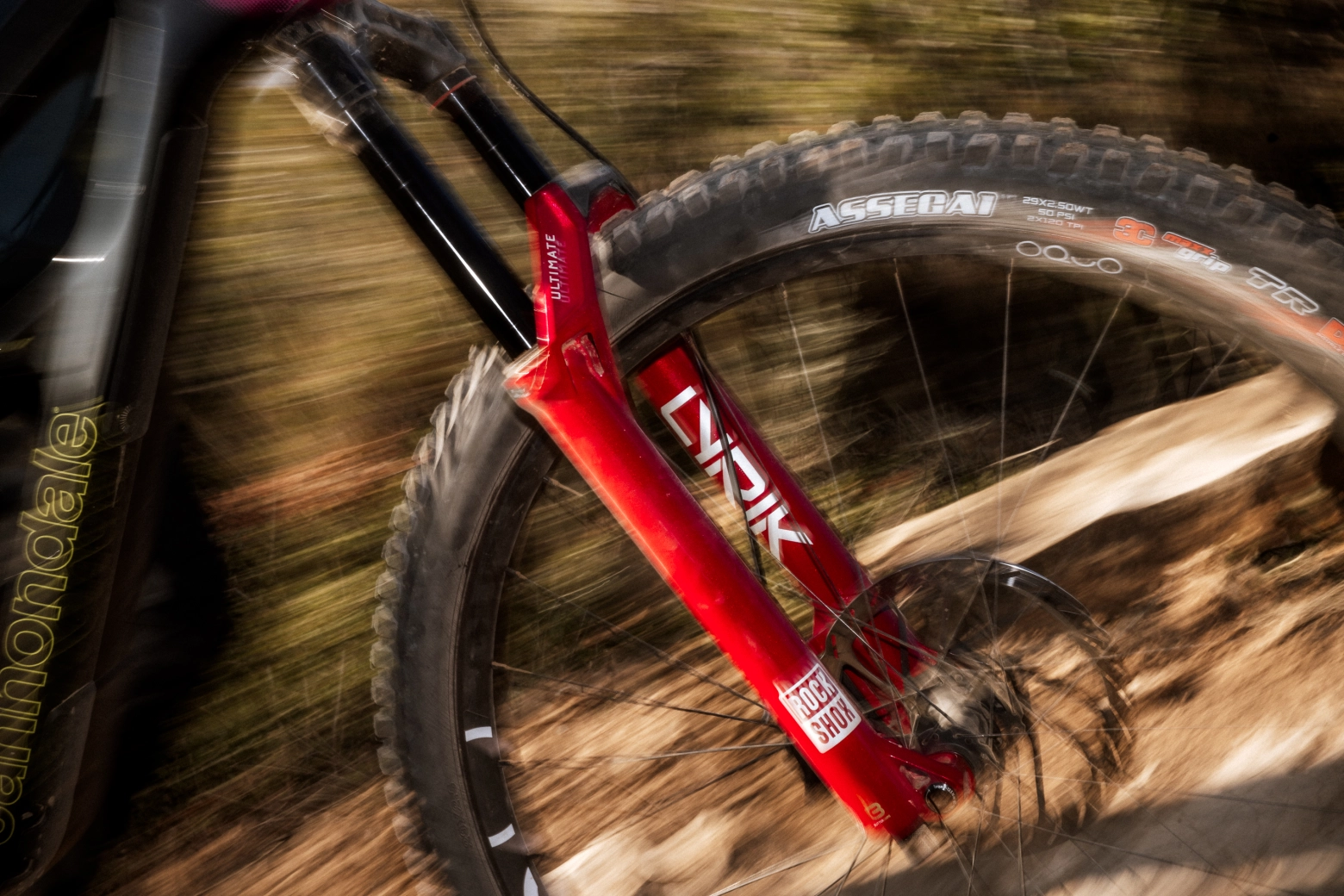
It is designed for long pedaling days with demanding descents, but without reaching the structural load level of a pure enduro fork.
Based on the common foundation, the new Lyrik focuses on:
- Better vibration absorption and fatigue
- More balanced behavior between sensitivity and support
- Greater efficiency in prolonged use
The higher versions incorporate ButterWagonTech and external Adjustable Bottom Out, allowing fine-tuning of the behavior at the end of the travel.
Lyrik models and prices
- Lyrik Ultimate Flight Attendant – from €1,855
- Lyrik Ultimate – from €1,375
- Lyrik Select+ – price not specified
- Lyrik Select – from €1,015
- Lyrik Base – no aftermarket price available
RockShox ZEB 2027: news, models, and prices
The ZEB represents the high end of the range. It is designed for enduro, bike park, and e-MTB, where the priority is stiffness, precision, and the ability to absorb large impacts at high speed.
The ZEB uses 38 mm stanchions, which represents a clear jump in stiffness compared to the Lyrik. It includes key technologies such as LinearXL and Charger 3.2 and is available in travel of 150, 160, 170, and 180 mm, and for 27.5 and 29-inch wheel configurations.
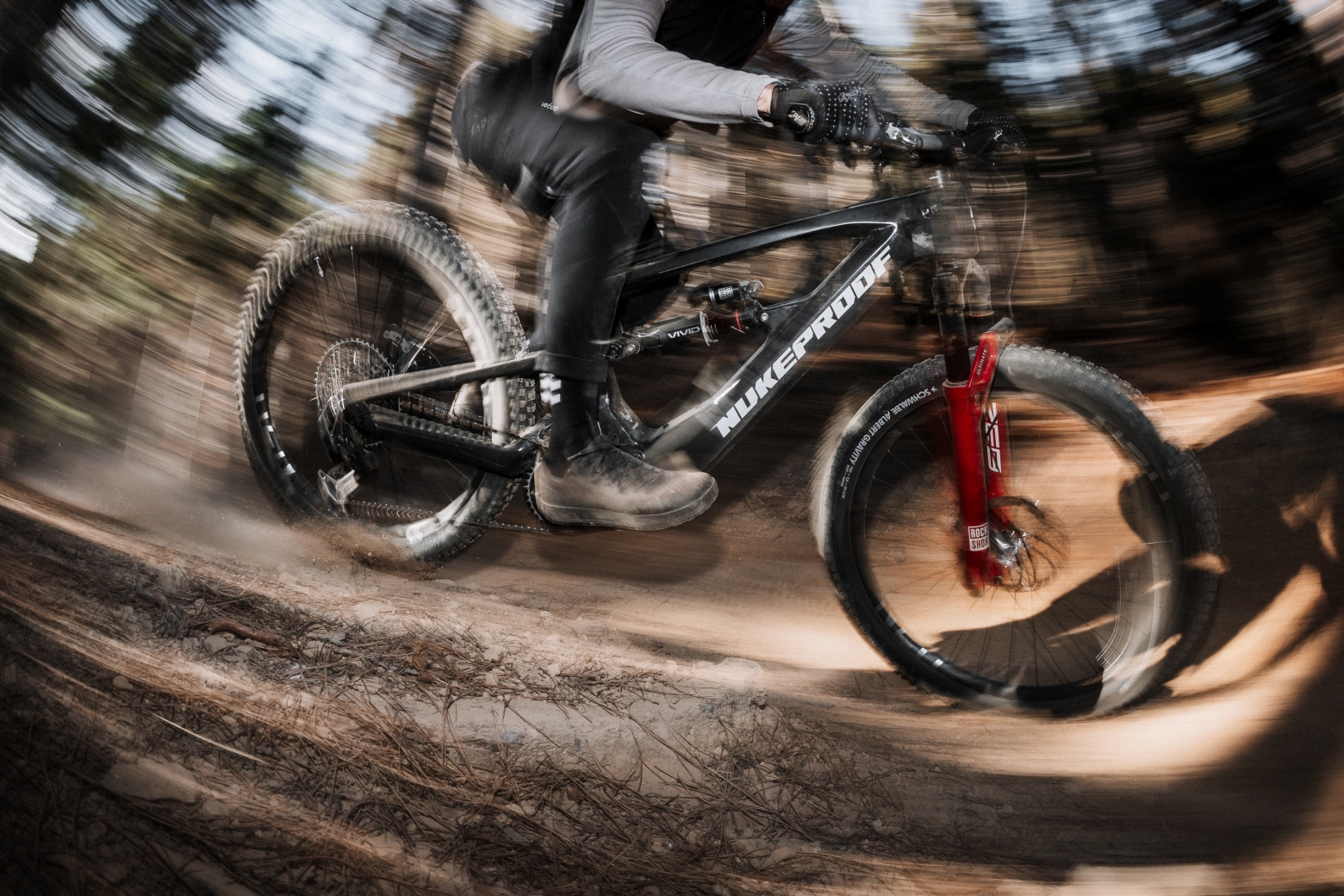
It is a fork designed to descend hard and maintain the line when the terrain demands the most. The behavior is more direct and less forgiving, but much more precise in limit situations.
It shares technology with Lyrik but applied to a more extreme use:
- Sturdier and stiffer chassis
- Hydraulic adjustments oriented to more aggressive impacts
- Greater stability at high speed
ZEB 2027 models and prices
- ZEB Ultimate Flight Attendant – from €1,965
- ZEB Ultimate – from €1,415
- ZEB Select+ – price not specified
- ZEB Select – from €1,080
- ZEB Base – no aftermarket price available
The Lyrik, with 35 mm, is lighter, more versatile, and more comfortable for prolonged use. The ZEB, with 38 mm, offers more stiffness, more precision, and more control in extreme situations.
They are not two versions of the same thing. They are two distinct tools within the same philosophy.
También puede interesarte
Bike Equipment
We tested the new Shokz OpenRun Pro 2: premium sound without isolating you from your surroundings
Road
The Evenepoel-Paris-Roubaix story will have to wait
Road
The 2026 Vuelta al País Vasco kicks off with Del Toro, Ayuso, Roglic, and Seixas in an open battle for the txapela
Road
When is the Paris-Roubaix 2026?
Road
Evenepoel does not close the door on Roubaix
Road