Is the 700x28c tire the new standard in road cycling?
In a very short time, the sizes of road bike tires have increased compared to what many had practically used throughout their lives. Better knowledge about how tires transfer the force exerted to the ground, improve comfort, or aerodynamic gains have led to road bikes now using very wide tires. Have we reached the limit? Where is the ideal balance?
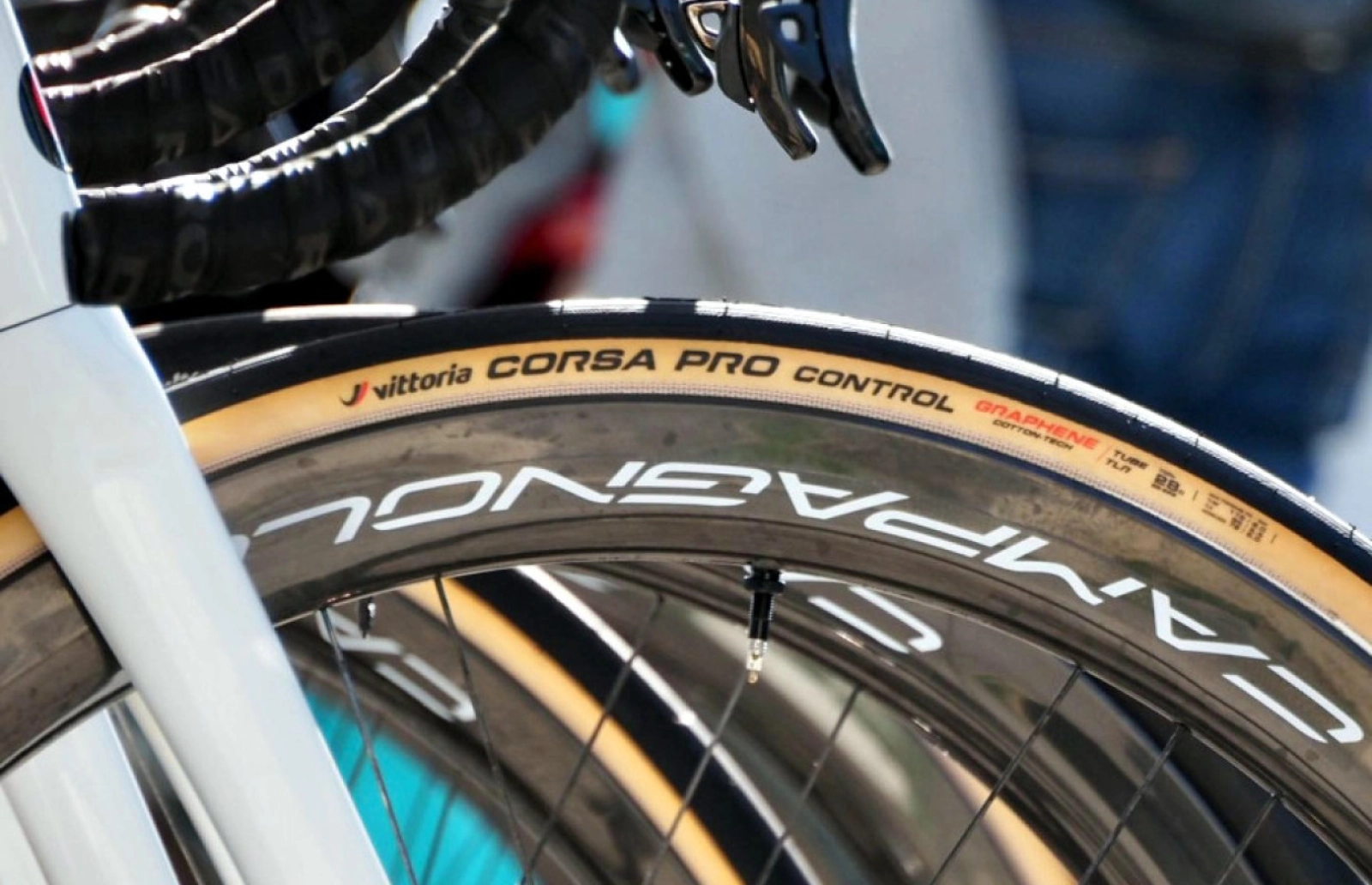
28mm tires become the standard size on bicycles
As we have mentioned on some occasions, wider tires have been gaining ground in road cycling just as they did in mountain biking, supported by various studies showing that wider tires transmit force to the ground with less loss, improving what is known as rolling resistance.
Not long ago, cyclists used 700x23c tires as the standard size; before that, in the 80s and 90s, the usual size was 21 and even 19, inflated to the maximum pressure they could handle under the belief that minimizing the contact surface optimized rolling.
RECOMENDADO
Is a cyclist born or made? The eternal debate between talent and training
Why do you prefer a certain type of training? What does that mean?
Why does Pogacar attack while sitting?
Cycling shorts vs underwear: ultimate guide to not ruining your outings
What are the five monuments of cycling?
How much time would a professional cyclist take out on an amateur in a race?
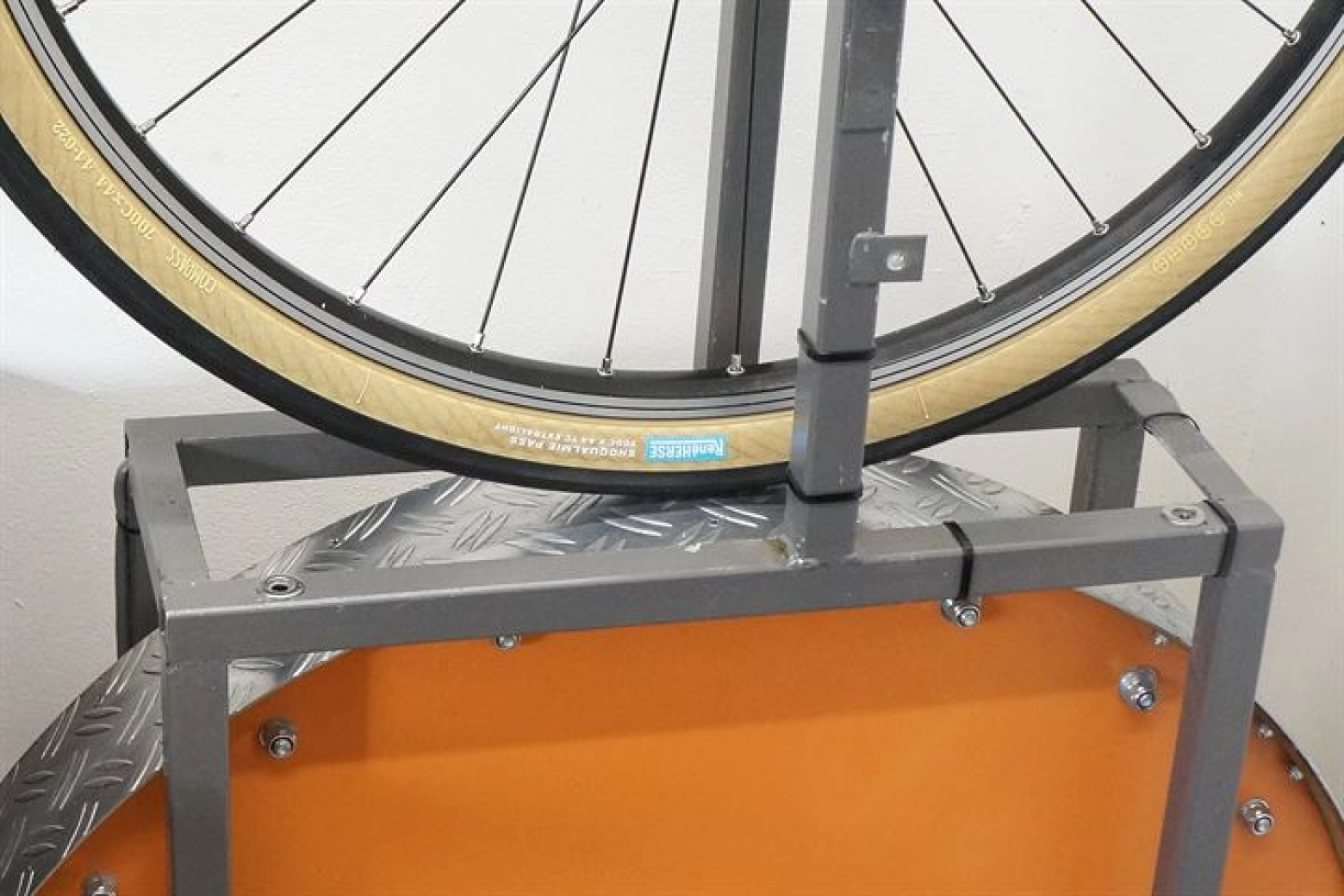
Now, however, the trend is the opposite: mounting wider tires at lower pressure that adapt better to the terrain, ensuring continuous contact with the road and optimal force transfer. However, increasing tire width has the disadvantage of increasing their weight, especially at the circumference of the wheel where the inertia due to rotation has a greater influence. Finding the balance is essential.
Additionally, aerodynamics also becomes a factor with the increase in the section of aerodynamic surfaces both in the bike tubes and, especially, in the wheels, aiming to achieve the best performance against crosswinds. An increase in wheel width has also forced the use of wider tires that better fit the lines of the wheel.
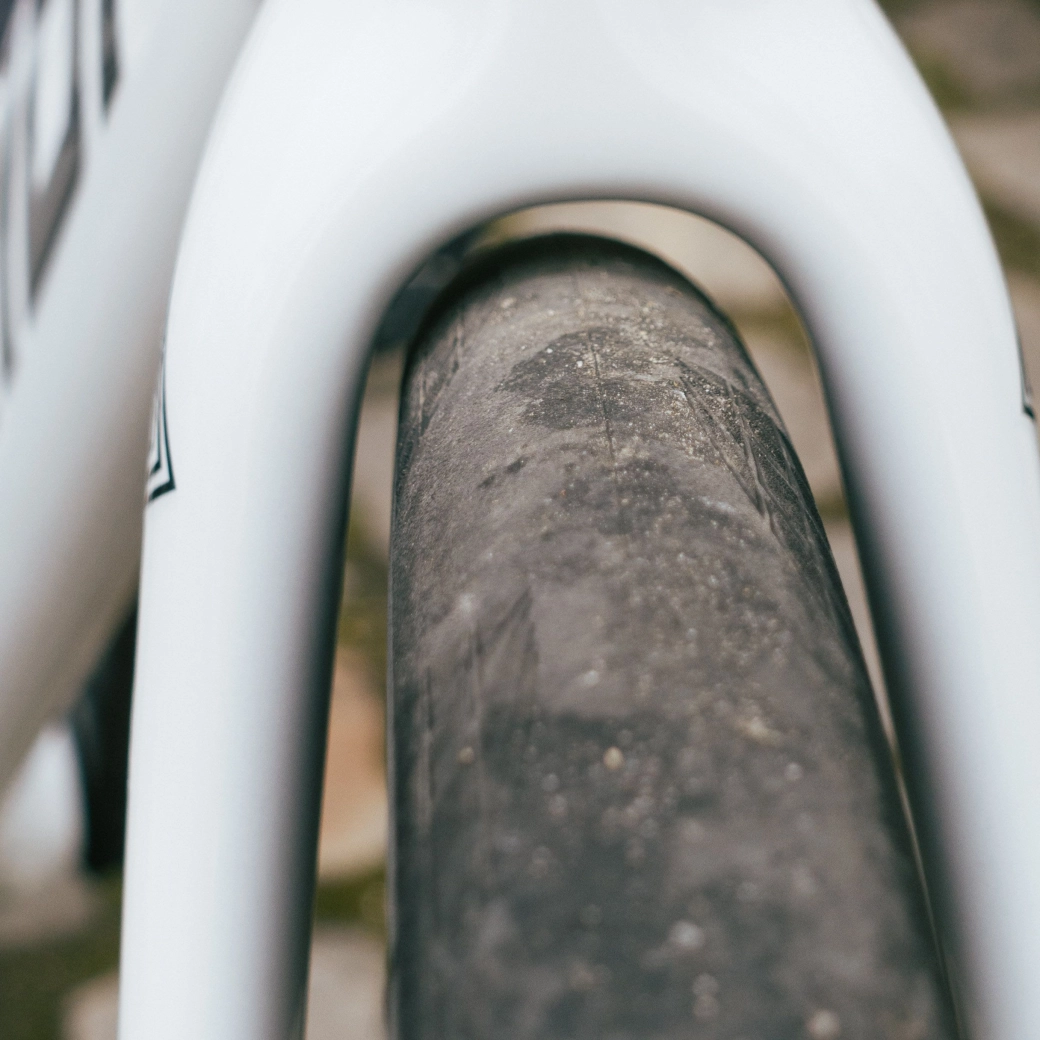
Currently, although many on the road still remain loyal to the 23 and 25 tires they have used for years, new bicycles are now mostly equipped with 28 tires, a size that not long ago was only seen on the cobblestones of Paris-Roubaix and, in fact, this seems to have become the standard among professional cyclists.
Some teams have even tested the 30 size, especially due to the problems of tire burping that arose with hookless rims, so that with a larger volume and, therefore, lower pressure, this risk was reduced. However, in the end, almost all have retreated and returned to the 28 size, while some brands have also taken a step back in the use of hookless rims in favor of a mini hook design.
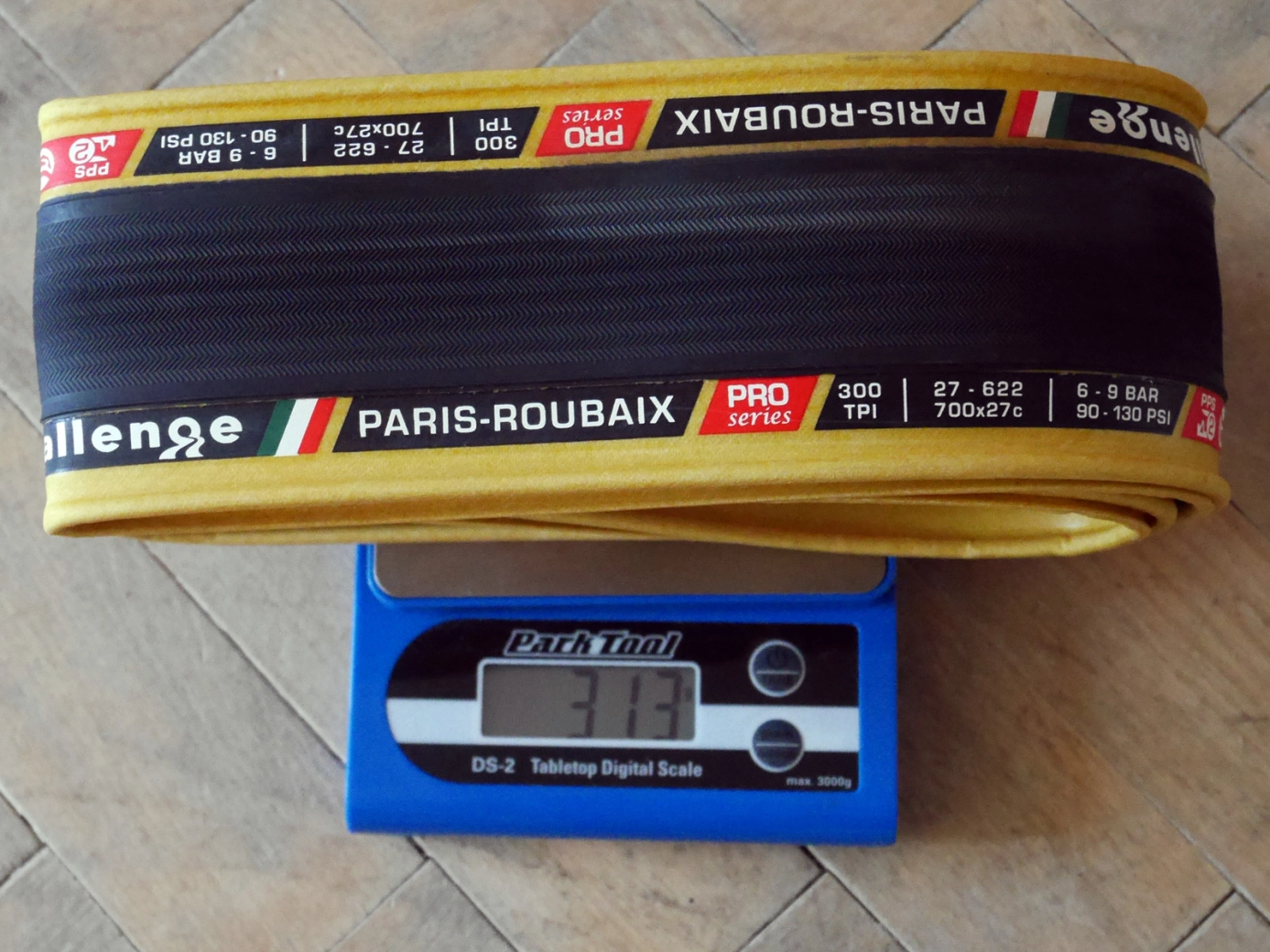
Practically all new bicycles accommodate wheel clearances that usually go up to 35mm, which, in the case of sport models, are oriented towards the classics of cobblestones or those that include sections of gravel. These clearances, in the case of all-road bikes, allow the cyclist to maximize comfort, have much greater grip, and, why not, venture into light gravel terrain.
It is difficult to determine whether we have reached the limit regarding road cycling with the 28 size or if, on the contrary, tire brands will continue to research to reduce the weight of their tires, which would allow for a new size jump. However, other aspects must also be considered, such as the geometric modifications in the bike that wider tires entail or the effect on the bike's behavior caused by that larger contact area.
What does seem certain is that we will not see smaller sizes return, and in fact, it is becoming increasingly difficult to find tires smaller than 25mm among the offerings of brands, except in basic training models. This poses a problem for those who resist changing bikes and will have to see how the best tires simply do not fit in their frames.
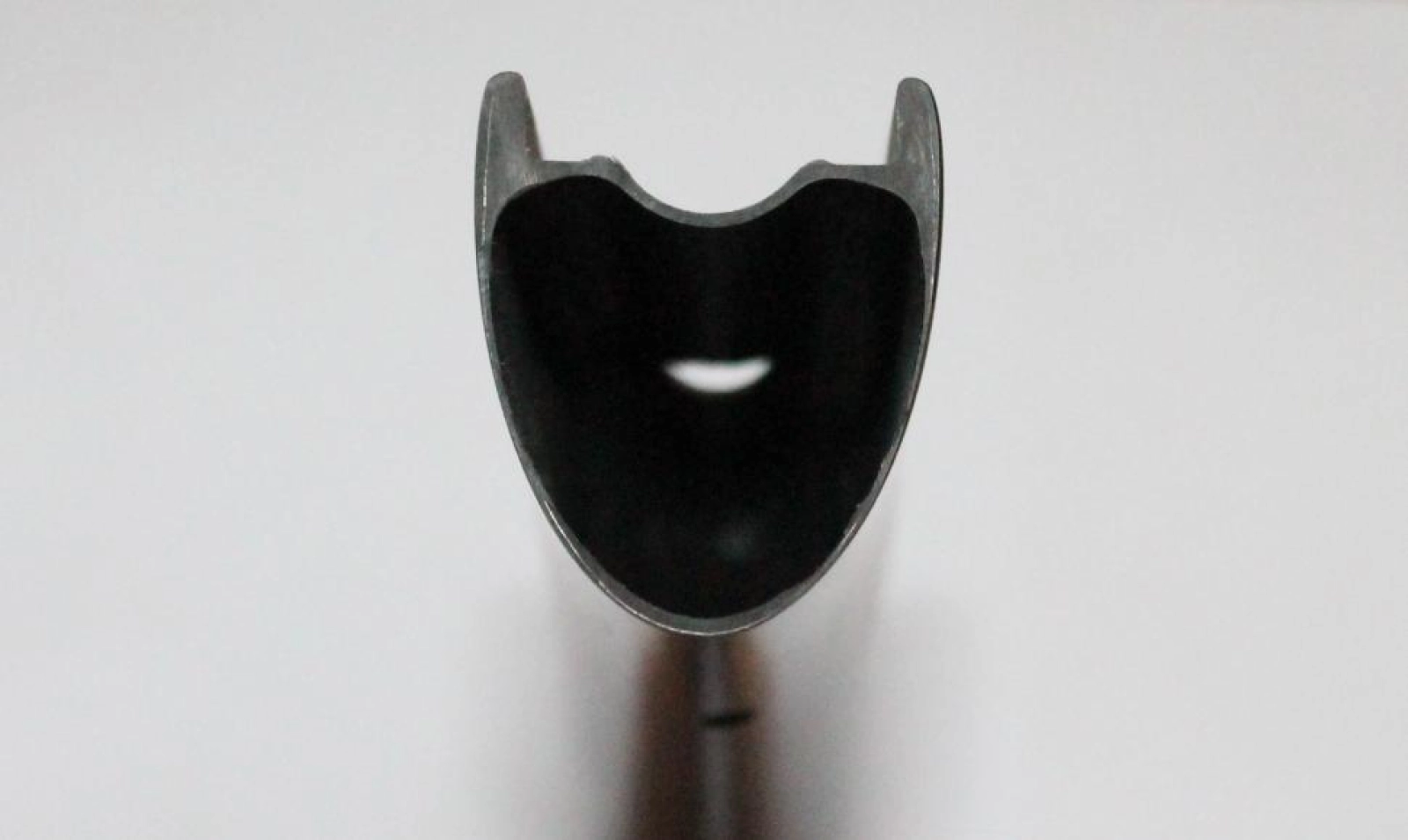
On the other hand, there remains the question of whether sizes above 30 will be accepted among touring cyclists, as despite the extra comfort they provide for those cyclists looking to make long rides with no other intention than to enjoy a pleasant day on the bike. Let us not forget that road cyclists often try to imitate what they see from their idols in the professional peloton.
In any case, what we have learned from this entire evolution of tires is to lower the pressure of our tires, contrary to what has always been believed in cycling.
También puede interesarte
Training
Is a cyclist born or made? The eternal debate between talent and training
Training
Why do you prefer a certain type of training? What does that mean?
Road
Why does Pogacar attack while sitting?
Bike Equipment
Cycling shorts vs underwear: ultimate guide to not ruining your outings
Road
What are the five monuments of cycling?
Training