INEOS bets on AI to discover the next Pogacar
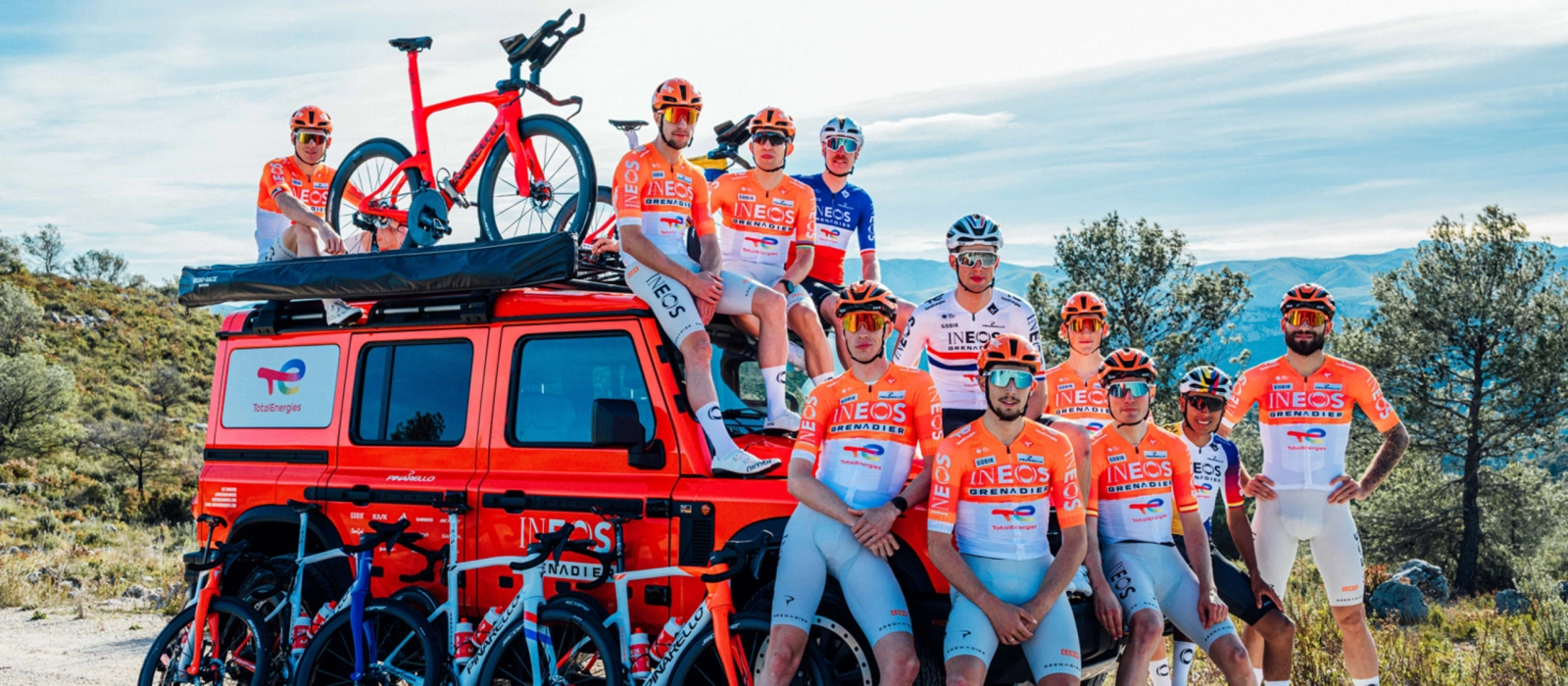
INEOS Grenadiers has taken a new step in its innovation and talent acquisition strategy by announcing a collaboration with Swansea University to develop advanced data analysis and artificial intelligence solutions applied to the identification of young cyclists with elite potential. The aim of the project is to transform the way professional teams detect and track the progression of future talents in the international peloton.
INEOS Grenadiers bets on AI to detect new talents alongside Swansea University
The alliance is structured through the Applied Sport, Technology, Exercise and Medicine (A-STEM) Research Centre at the Welsh university, a center with extensive experience in high-performance sports and already collaborating with top-level organizations in football, rugby, and swimming. In this case, the focus shifts to professional cycling and one of the most recognized teams in the WorldTour for its scientific approach to performance.
The first joint project is titled, in translation, Towards the Development of Advanced Digital Models for Efficient Talent Identification in Professional Cycling, and will include a PhD student integrated directly into the structure of INEOS Grenadiers. Their work will focus on the development of data-driven systems capable of identifying emerging riders, as well as overlooked talents, more early and effectively, despite the complexity and unpredictable nature of sports evolution at young ages.
RECOMENDADO

When do helmets have to be changed? Do they have an expiration date?

What benefits does bicarbonate have for cyclists?
Is a cyclist born or made? The eternal debate between talent and training
Why do you prefer a certain type of training? What does that mean?
Why does Pogacar attack while sitting?
Cycling shorts vs underwear: ultimate guide to not ruining your outings
To achieve this, the project will combine internal performance metrics of the team with public competition data. Based on this foundation, automated tools will be designed to monitor the development of junior cyclists in different countries, detect outstanding performances, and build a complete “digital footprint” of their training history and competitive progression.
From INEOS Grenadiers, their performance director, Scott Drawer, emphasizes that data science and artificial intelligence represent “the next frontier of cycling”, and that such collaborations with the academic field are part of a broader strategy to accelerate the practical application of scientific knowledge in the day-to-day operations of the team.
On the part of Swansea University, Professor Liam Kilduff, head of the A-STEM center, highlights the importance of establishing lasting partnerships with leading organizations in professional sports, capable of generating a real impact on performance and talent detection processes.
In a context where professional cycling is becoming increasingly global and competitive, with a growing number of countries contributing riders at the highest level, early talent identification has become a key factor. With this project, INEOS Grenadiers seeks to strengthen and optimize that process, relying on AI to not miss the next generation of elite cyclists.
También puede interesarte
Bike Equipment
When do helmets have to be changed? Do they have an expiration date?
Nutrition
What benefits does bicarbonate have for cyclists?
Training
Is a cyclist born or made? The eternal debate between talent and training
Training
Why do you prefer a certain type of training? What does that mean?
Road
Why does Pogacar attack while sitting?
Bike Equipment