Goodbye to watts per kilogram as the sole benchmark—fatigue decides who’s the best
It is often taken as a reference the watts per kilo that a cyclist can generate under different types of effort. However, cycling is an endurance sport, and it is not the same to exert effort when fresh as it is at the end of a classic race of more than 200 kilometers. This is where the measurement of energy expenditure and the cyclist's ability to continue generating high power outputs despite accumulated fatigue comes into play.
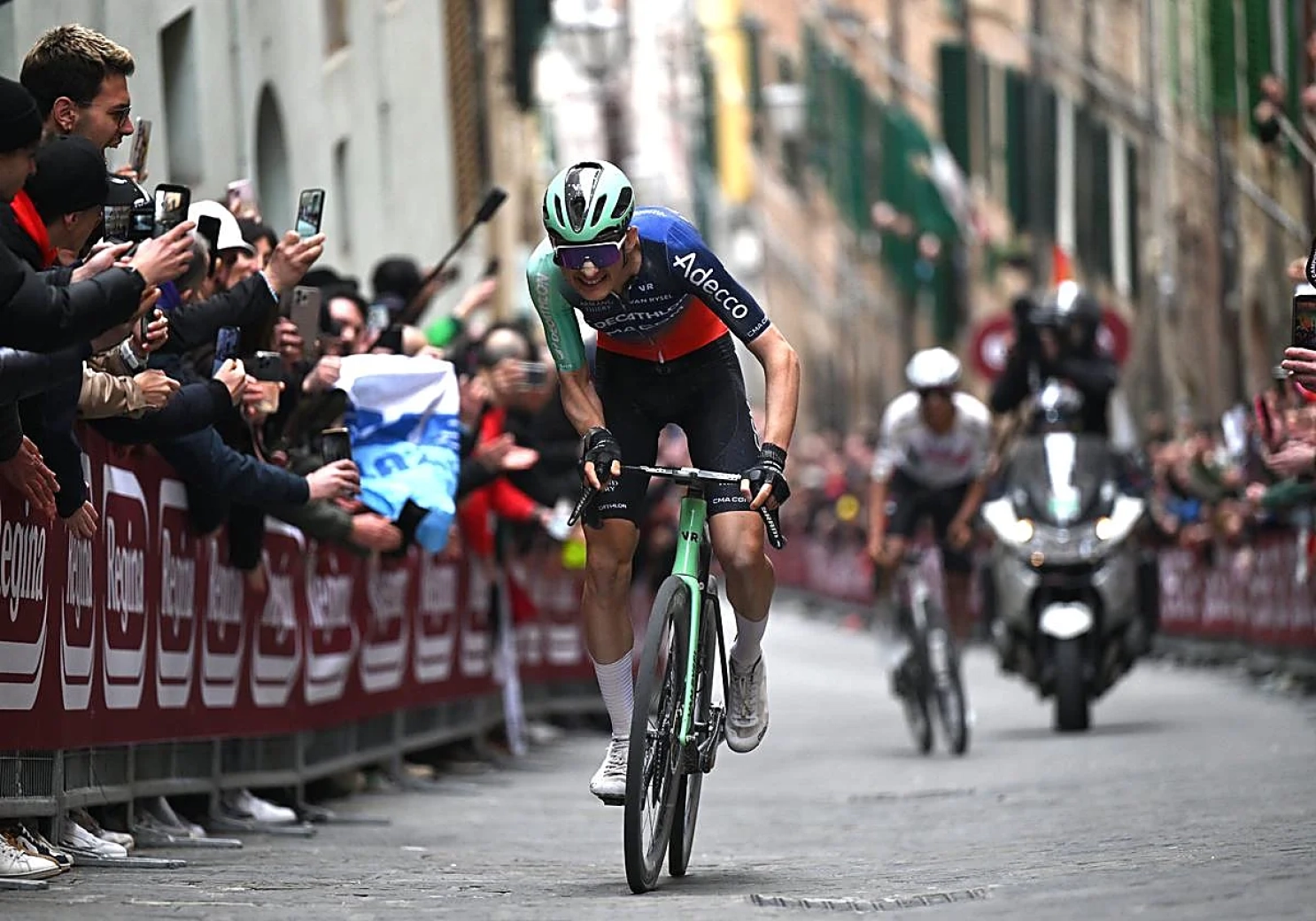
Training to Perform in Fatigue, the New Training Approach
When endurance is discussed as an essential quality of a cyclist, most people simply think it means being able to cover 180 or 200 kilometers at a competitive pace. However, most moderately trained cyclists can achieve those distances. Where is the difference then? Essentially, it is that the recreational cyclist, at the end of a long and hard ride, tends to struggle, while the professional often has to deliver their best numbers in the final stretch of those marathon days, at the moment when the battle becomes fiercest and the winner is decided.
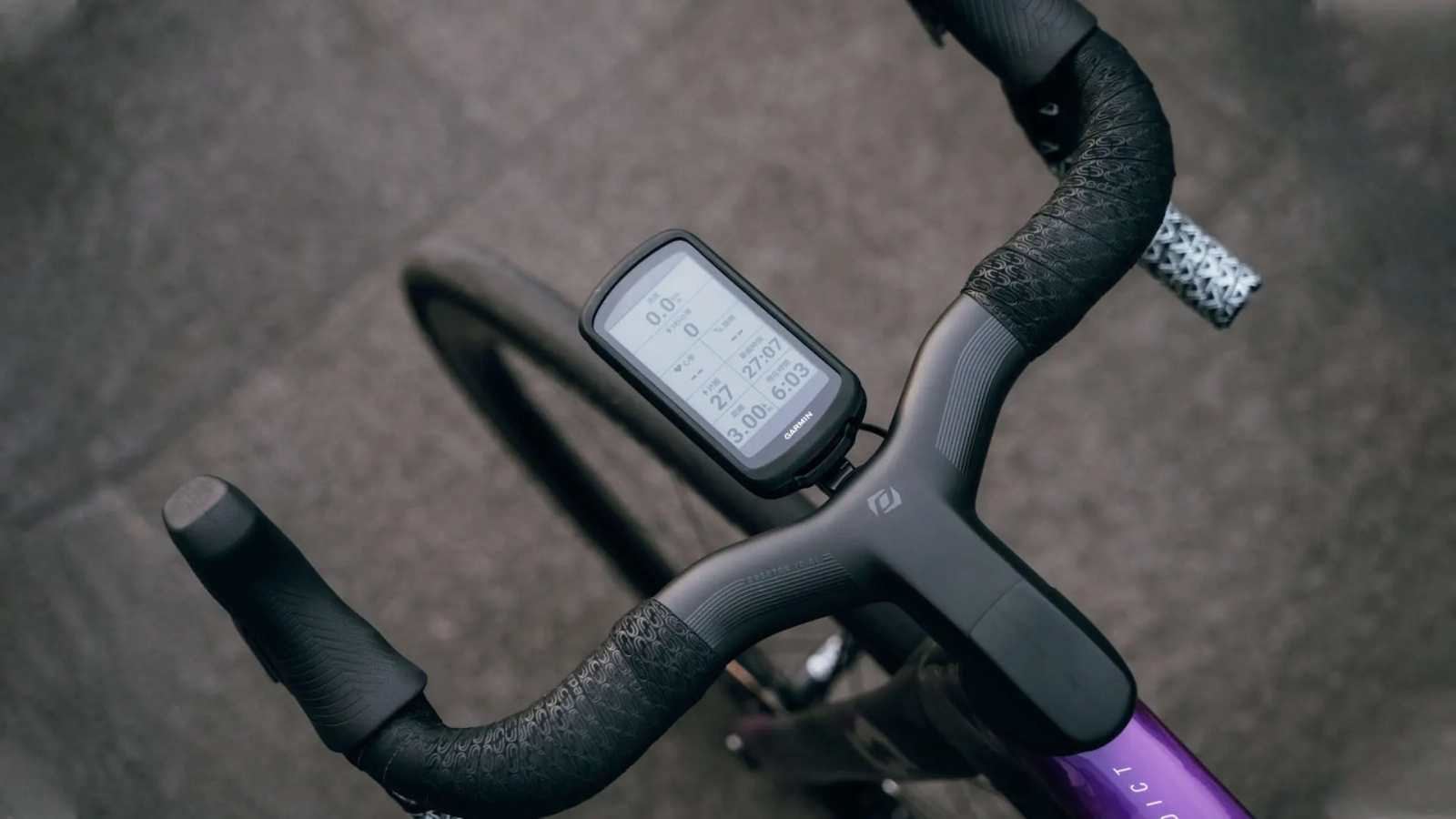
To obtain a measurement of cyclists' endurance, coaches use the cyclist's energy expenditure, which is measured in kilojoules and calculated based on the cyclist's caloric expenditure, taking into account that not all the calories we consume are converted into energy for pedaling, as a significant portion is wasted as heat. As a reference, the average efficiency of a cyclist is around 22%. This is a calculation that we can now easily obtain from our bike computers, based on the power generated by the cyclist, their weight, heart rate, etc.
RECOMENDADO
Fake stickers and illegal bikes: How the UCI monitors equipment during competitions
From steel tubes to carbon without limits: the revolution that forced the UCI to intervene
The most important information about your bike that almost no one checks
Cobblestones, mud, and legend. Why cycling never abandoned the cobblestones
Boost your watts, boost your level: that's how you improve your FTP
What are the five monuments of cycling?
A top-level elite cyclist should have a minimal drop in their power profile when comparing the numbers obtained while fresh with the same tests performed in fatigue, after an energy expenditure of more than 3,000 kJ, a figure that coaches from teams like Red Bull-BORA-hansgrohe, the team that is most emphasizing this training approach, have set as a differentiator when recognizing higher-level cyclists.
This is why, when races exceed 200 kilometers, as happens in the major classics, very few cyclists are capable of "having the legs," that is, generating the necessary watts when the final battle arrives, as we are talking about events where energy expenditure far exceeds 5,000 kJ.
Therefore, the novelty this brings to training, beyond reaffirming the importance of Zone 2 endurance work for a professional cyclist, would be to work on intensity beyond the 3,000 kJ barrier, meaning that now cyclists need to do their interval and intensity work as a culmination to a prior ride of 3 or 4 hours, depending on the intensity of this ride and the characteristics of the cyclist, so that the body gets used to generating watts under fatigue conditions.
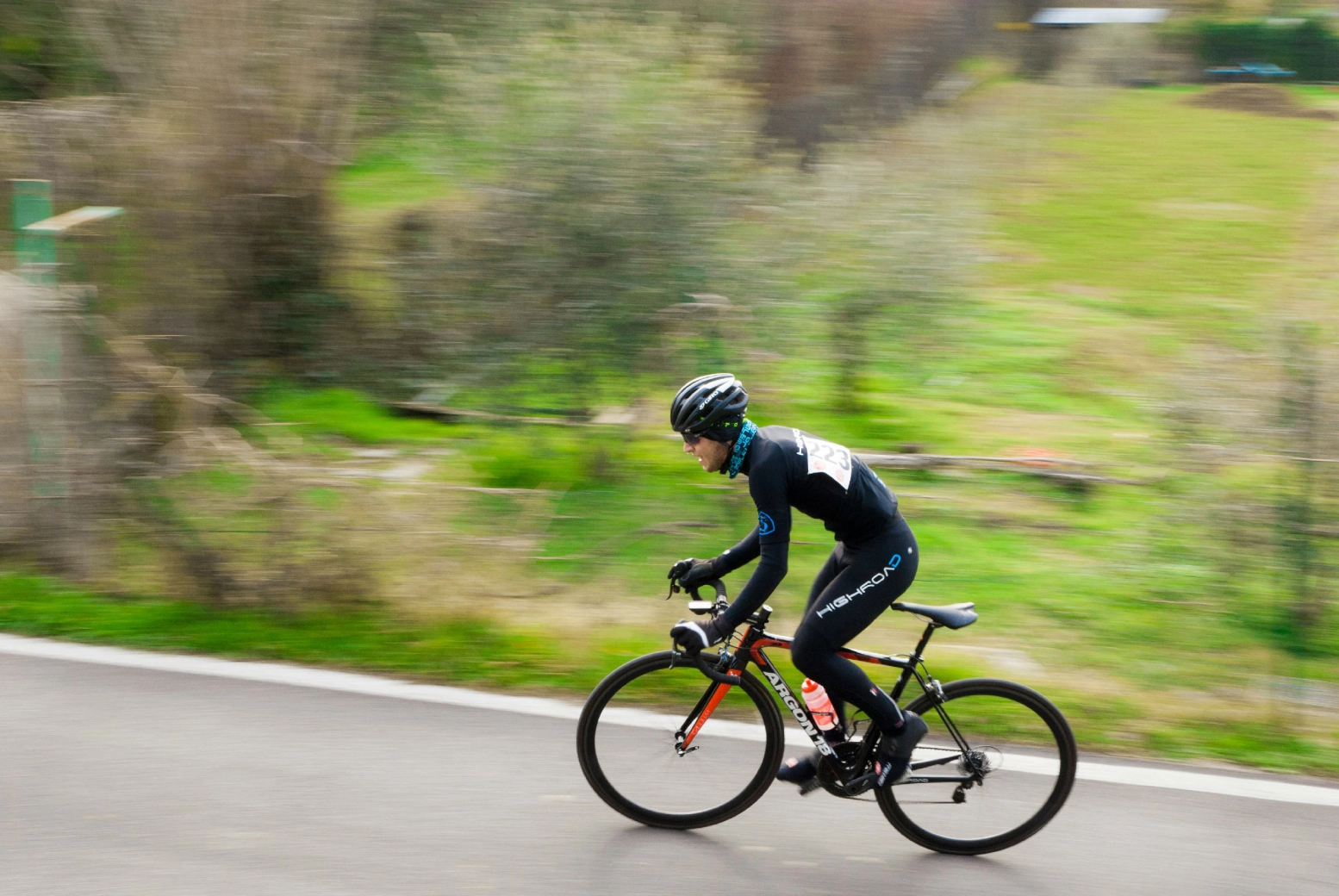
Of course, for a recreational cyclist, this margin is significantly reduced since, at the intensities at which they usually ride, the barrier would be around 2,000 kJ, 2,500 for the more trained. Additionally, simple tests such as comparing the result of a 20-minute test with the same test performed after a ride in which those 2,000 kJ have been consumed can be very useful for assessing our endurance.
If the drop in power between both tests is less than 5%, we can consider that our aerobic capacity is high. The average would be between 5% and 10%, while a drop in power between the two tests greater than 10% would clearly indicate that we need to place more emphasis on our aerobic work, something that is often a problem for the average recreational cyclist due to the large volume, that is, time, required to perform rides in Zone 2.
También puede interesarte
Road
Fake stickers and illegal bikes: How the UCI monitors equipment during competitions
Road
From steel tubes to carbon without limits: the revolution that forced the UCI to intervene
Road
The most important information about your bike that almost no one checks
Road
Cobblestones, mud, and legend. Why cycling never abandoned the cobblestones
Training
Boost your watts, boost your level: that's how you improve your FTP
Road